 Whalesbook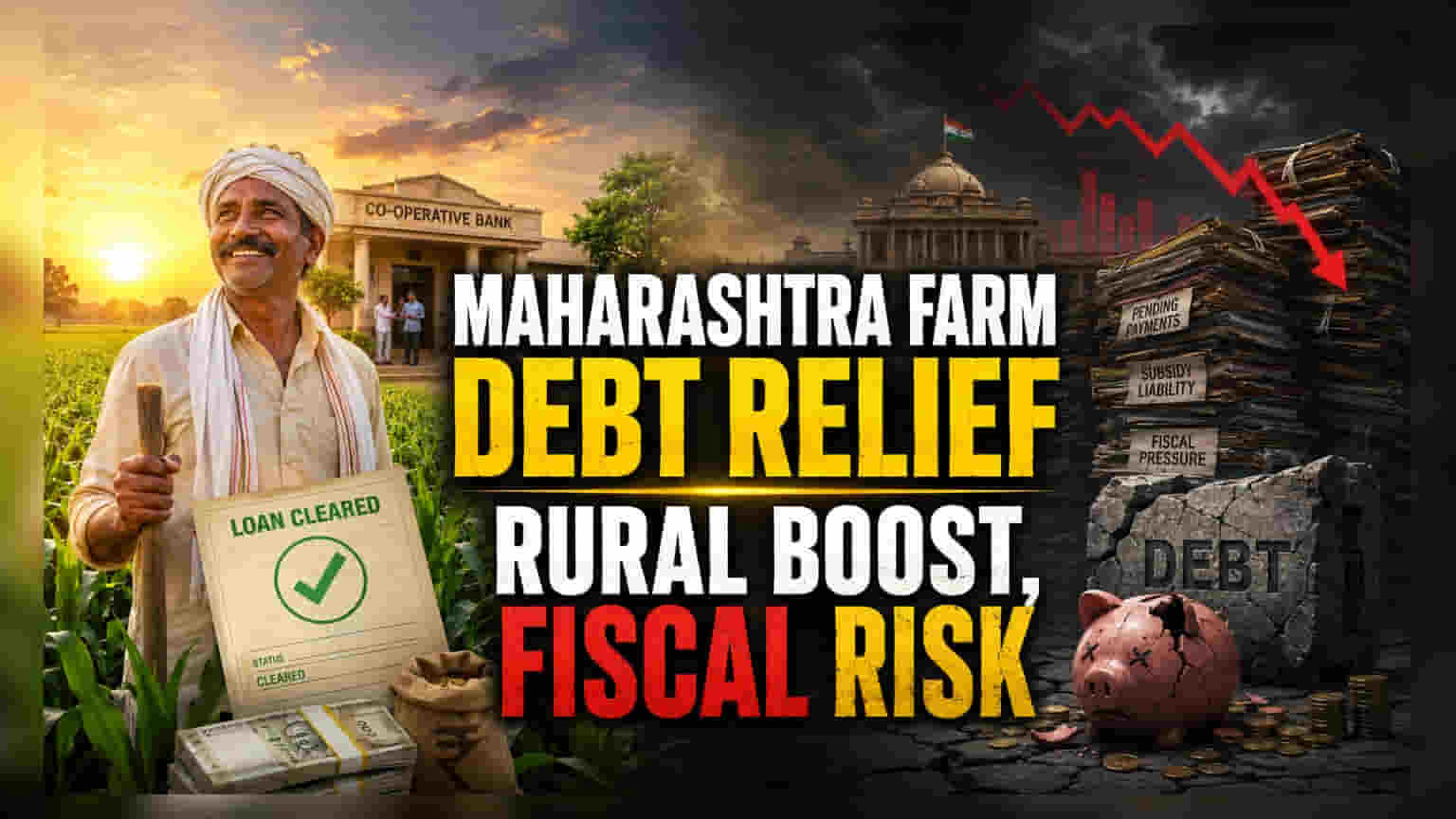


The Fiscal Multiplier of Debt Relief
The implementation of the Punyashlok Ahilyadevi Holkar Shetkari Karja-mukti Yojana represents a aggressive intervention into the state’s agricultural credit cycle. By removing landholding criteria, the government has widened the net to include a vast majority of cultivators, signaling a shift toward mass relief rather than targeted poverty alleviation. While this may temporarily boost rural consumption and agricultural liquidity, the broader economic impact relies heavily on the state’s ability to manage the ensuing fiscal deficit without curbing essential capital expenditure.
Banking and Liquidity Implications
The involvement of diverse financial entities, including regional rural banks and private lenders, indicates a push to sanitize the balance sheets of cooperative and nationalized institutions holding substantial agricultural non-performing assets (NPAs). By incentivizing the settlement of long-overdue debt, the state aims to restore credit availability for farmers who were previously excluded from the formal lending ecosystem due to defaults. However, this relies on the efficacy of the AgriStack platform to verify eligibility. Similar historic debt waivers in India have often resulted in a 'wait-and-see' approach by borrowers, where future repayments are deferred in anticipation of subsequent government write-offs, creating a persistent cycle of credit culture degradation.
The Forensic Bear Case
Critics of the policy point toward the structural risk of moral hazard. By extending benefits to those with debts exceeding the Rs 2 lakh threshold via one-time settlement (OTS) options, the policy essentially subsidizes default. There is a palpable concern that such measures weaken the institutional discipline of primary agricultural credit societies. Furthermore, the state’s fiscal health remains a focal point. With the burden of large-scale disbursements, Maharashtra risks reallocating funds away from irrigation and climate-resilient infrastructure. Given the tightening of fiscal norms at the national level, the state’s reliance on debt financing to cover these waivers could potentially lead to higher borrowing costs or a compression in state development spending, ultimately hurting the very rural sector the scheme aims to support.
Forward Outlook
Market participants and policy analysts are watching the disbursement schedule closely. Success hinges on the transparency of the digital portal and the swiftness of the high-level committee in negotiating concessions with private lenders. If the scheme effectively clears the NPA backlog without significantly ballooning the fiscal deficit, it may provide a short-term runway for rural purchasing power. Conversely, if implementation stalls or triggers a systemic decline in credit discipline, the long-term impact on the regional banking sector could be pronounced.