

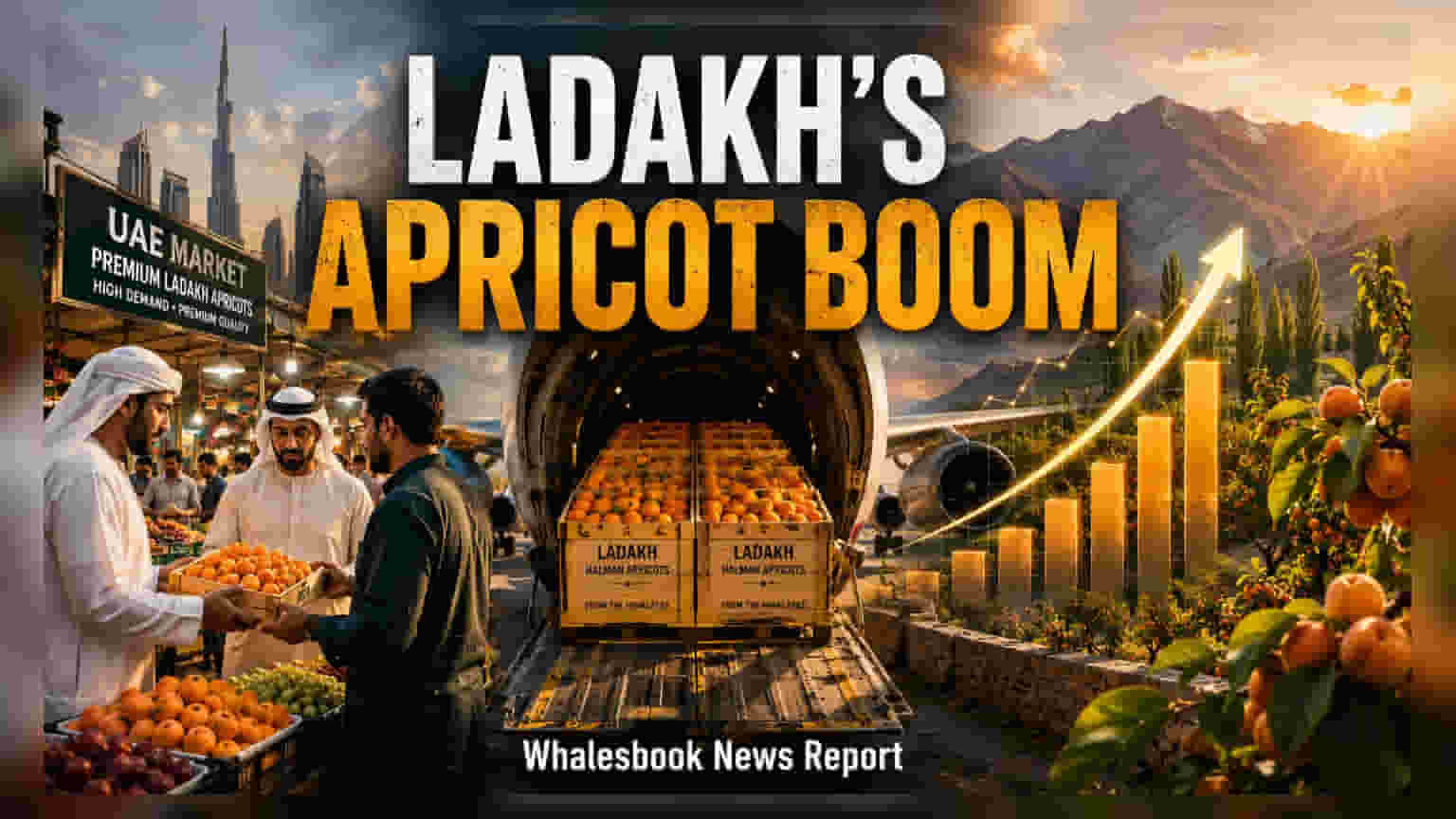
Ladakh has shipped 5 tonnes of premium Halman apricots to the UAE through a partnership with LuLu Group. The regional administration aims to scale exports to 1,000 tonnes this season, significantly increasing reach compared to previous years. This initiative focuses on boosting local farmer incomes and reducing post-harvest losses for the 30,000 families dependent on this crop.
Ladakh has taken a major step in its horticultural exports by shipping 5 tonnes of its premium Halman apricots to the United Arab Emirates. This move is part of a broader strategy to connect remote Himalayan farmers directly with international retail markets. The shipment follows an agreement finalized in April with the UAE-based retail giant, LuLu Group, which operates a vast network of hypermarkets across West Asia.
Scaling Agricultural Exports
The administration in Ladakh has set an ambitious goal to export over 1,000 tonnes of apricots during the current season. This target marks a dramatic increase from the 1.5 tonnes of produce exported over the combined previous two years. The fruit, grown in the unique cold desert climate of the region, is a primary source of income for approximately 30,000 farming families. With around 2,600 hectares dedicated to apricot cultivation, the region produces roughly 15,868 tonnes of fresh apricots and nearly 2,000 tonnes of dried apricots annually.
Logistics and Economic Impact
Expanding exports from high-altitude regions involves significant logistical hurdles. The current consignment was transported by road from Kargil to New Delhi before beginning its international journey. The partnership with LuLu Group is designed to mitigate some of these challenges by providing a structured supply chain. By tapping into global markets, the administration hopes to reduce post-harvest losses, which are common in remote regions, and secure better pricing for local farmers compared to domestic wholesale markets.
This export drive is part of a wider effort to professionalize the horticulture sector in Ladakh. Strengthening the agricultural value chain is considered essential for the region, as it transitions toward more commercial and export-oriented farming. The success of this 1,000-tonne target will depend heavily on the efficiency of the cold chain infrastructure and the consistency of supply from local growers during the peak harvest months.
Investors and observers tracking the agricultural sector will monitor the total volume of exports achieved by the end of the season. Success in this project could potentially pave the way for other high-value Himalayan products to gain entry into international retail chains, provided the supply chain remains stable and the quality standards required by export markets are consistently met.