

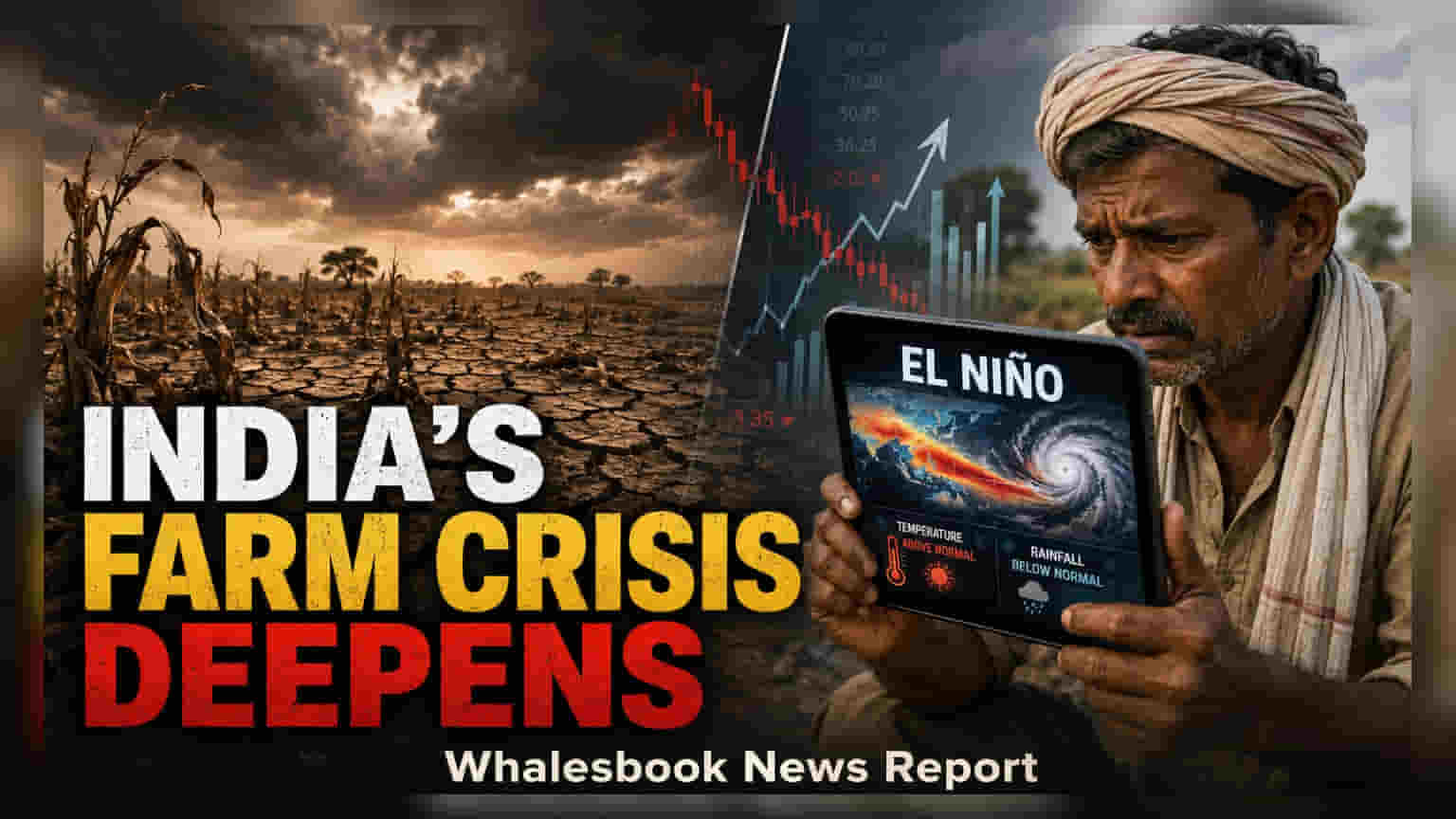
India's kharif sowing is currently 2.9% lower than last year, despite a partial recovery in monsoon rains during July. While the immediate rainfall deficit has narrowed, persistent regional variations and structural farming challenges continue to weigh on agricultural output.
Agricultural planting across India remains under pressure for the current kharif season, with total sown area trailing the previous year by 2.9%. This comes after a challenging start to the monsoon, which saw a 40% rainfall deficit in June. While improved rainfall in July helped narrow the national cumulative deficit to 16%, the recovery has been uneven across states, creating a complex picture for the agricultural economy.
Regional Disparities and Climate Factors
Data indicates stark differences in sowing progress across the country. States such as Karnataka and Odisha have recorded significant declines in their sown area, whereas regions like Bihar and Jharkhand have reported gains. These regional imbalances are partly linked to the India Meteorological Department's forecast of a 10% monsoon rainfall deficit, which is largely associated with the El Niño phenomenon. Historically, this weather pattern has been linked to lower agricultural yields, which can create broader economic challenges.
Long-Term Structural Challenges in Farming
While weather fluctuations are a primary concern for the current season, the agricultural sector faces deeper, structural issues that impact long-term productivity. Soil degradation and increasing pest resistance are significant factors contributing to stagnant crop yields. For example, cotton production has seen a plateau in output, driven not only by weather risks but also by growing pest resistance and a shift toward alternative crops. This is particularly relevant given that cotton has less irrigation coverage compared to water-intensive crops like sugarcane.
Economic Implications and Import Risks
The reliance on monsoon-fed agriculture varies significantly by state, with areas like Odisha and Chhattisgarh being highly vulnerable due to limited irrigation infrastructure and a heavy focus on water-dependent crops. Conversely, states with better-developed irrigation, such as Haryana and Gujarat, are relatively better protected against rainfall shortages. For the broader Indian economy, a weak agricultural season often increases the country's dependence on imports for essential commodities, including pulses, edible oils, and raw cotton. This rising import demand can place pressure on the nation's current account balance.
Investors may monitor the progress of late-season rainfall and state-level crop data, as these will determine the final impact on agricultural yields and food inflation. The continued effectiveness of irrigation expansion and the management of pest-related crop losses will be key factors in assessing the long-term health of the sector.