

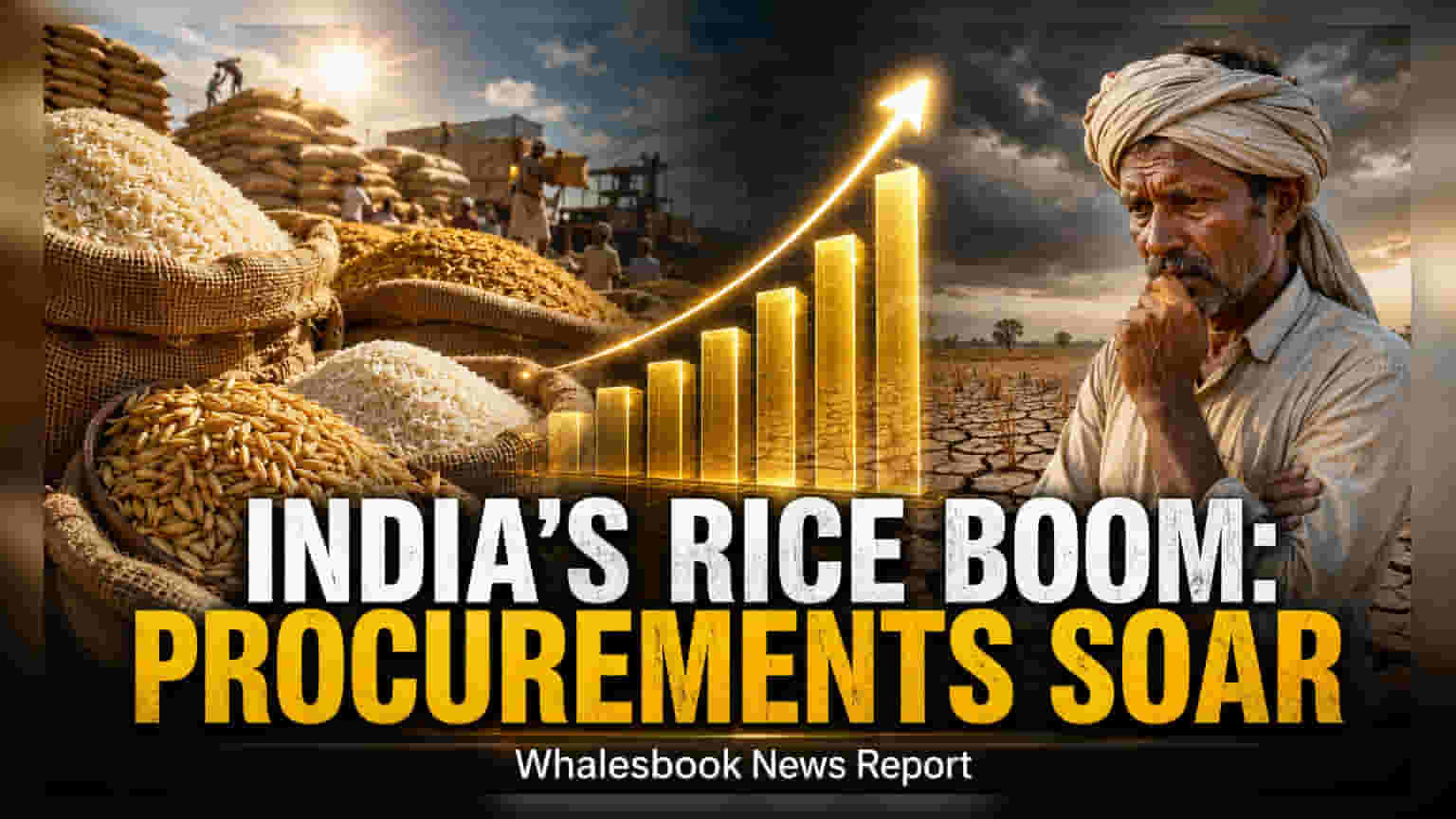
India’s rice procurement for the 2025-26 season has climbed 5% year-on-year, reaching 99% of its annual target. The surge, driven by strong rabi crop buying, highlights the government's efforts to balance record stock levels with food security needs. This buildup impacts fiscal subsidy spending and influences the government's ability to manage export policy and domestic price stability.
India's rice procurement for the 2025-26 marketing season has reached 99% of its target, touching 575.52 lakh tonnes. This marks a 5% increase compared to the previous year, reflecting a robust supply chain despite a minor 2% dip in overall paddy acreage. The state-driven procurement process is now nearing completion, with the government preparing to transition to the 2026-27 marketing season starting October 1.
A significant factor behind this year's procurement performance has been the rabi crop harvest. Purchases from the rabi season surged by 18%, bringing in 86.71 lakh tonnes compared to 73.45 lakh tonnes during the same period last year. Telangana has emerged as a key contributor to this growth, with the state procuring 42.69 lakh tonnes. Other states, including Tamil Nadu, Andhra Pradesh, and Odisha, also reported increased contributions, helping to stabilize the national pool.
While procurement volumes have risen, the trend across states has been varied. Punjab, historically a dominant contributor to the central stock, saw a 9.7% decline in procurement, dropping to 104.86 lakh tonnes. In contrast, Haryana saw its procurement data revised upward to 41.58 lakh tonnes, as state authorities moved to absorb higher volumes of grain. These regional shifts are essential for investors tracking the operational efficiency and logistical costs involved in moving grain from farm to warehouse.
From a macroeconomic perspective, the government is currently managing record stock levels, which reached approximately 68.43 million metric tonnes by mid-2026. High inventory levels bring both stability and challenges. On the positive side, these comfortable reserves have allowed India to maintain a more liberalized export policy since March 2025. On the fiscal front, large stocks increase the economic cost of maintenance and food subsidy expenditure for the Food Corporation of India (FCI). To manage this surplus, the government has been actively utilizing the Open Market Sale Scheme (OMSS) and diverting grain for ethanol production, both of which are policy levers used to maintain price stability.
Looking ahead, the primary focus for the government remains the efficient disposal of existing stocks before the new harvest arrives. Market participants should monitor the impact of monsoon conditions on the upcoming kharif season, as irregular rainfall could affect future yields. Additionally, any policy changes regarding ethanol blending mandates or export restrictions will be critical for businesses involved in the grain supply chain and agri-export sectors. The successful management of these inventory levels will dictate the government’s fiscal flexibility and its continued ability to influence food prices in the coming months.