

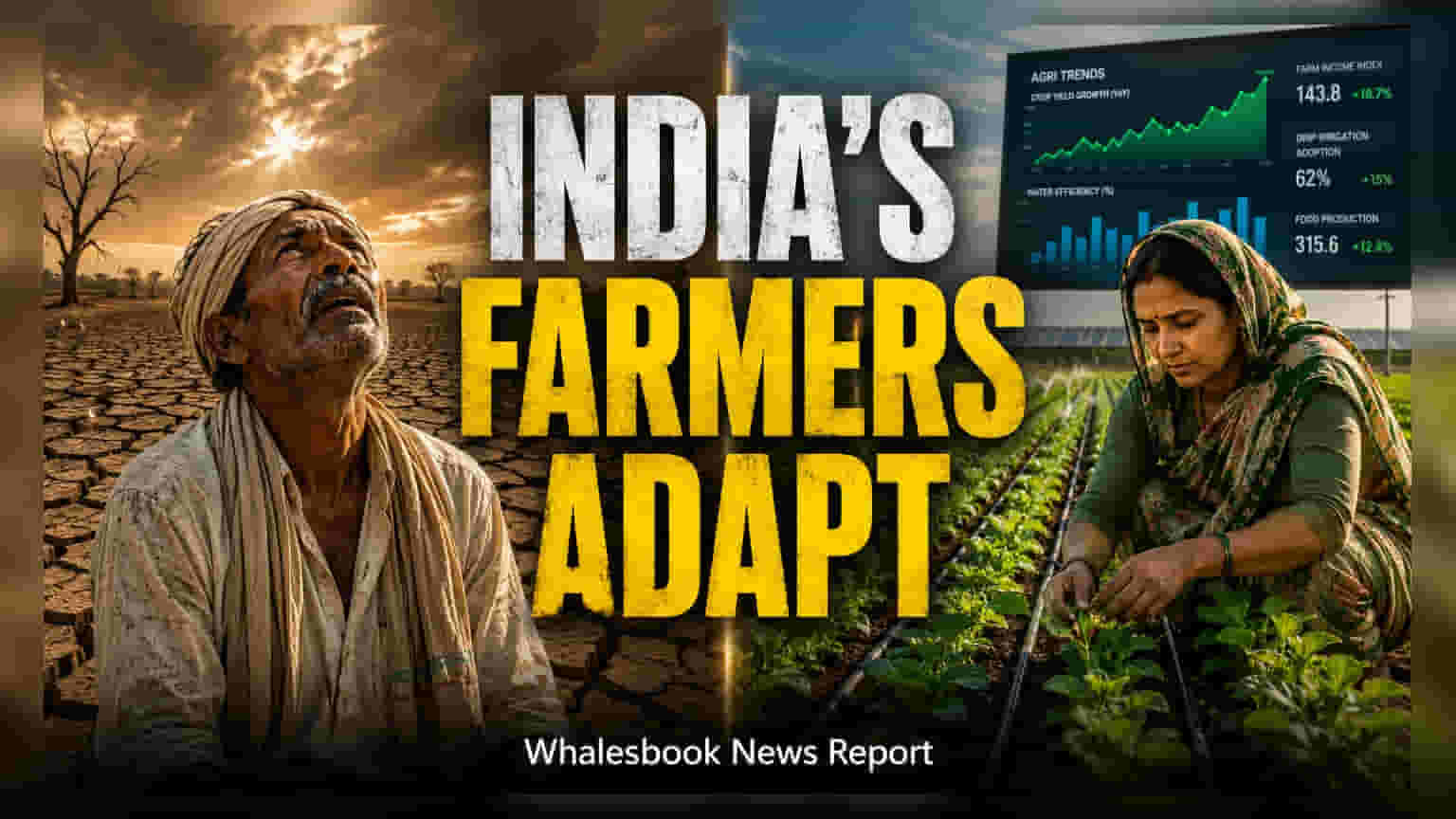
Indian agriculture is shifting toward climate-smart practices to manage declining water availability. Farmers are moving from flood irrigation to efficient drip systems and reviving traditional water harvesting to stabilize crop yields. This transition is essential for maintaining national food security as climate patterns become increasingly unpredictable.
The Indian agricultural sector is currently undergoing a structural shift in response to persistent water scarcity and erratic weather patterns. As agriculture accounts for approximately 80% of India's freshwater consumption, the reliance on traditional, water-intensive flood irrigation has become a significant vulnerability for rural livelihoods and national food production.
Transition to Efficient Irrigation Systems
To combat these challenges, farmers are increasingly adopting micro-irrigation solutions such as drip and sprinkler systems. These technologies allow for precise water application directly to the root zone, which reduces water wastage compared to conventional flooding methods. Beyond conserving water, these systems often lower operational costs and can lead to more consistent crop yields. The adoption of such infrastructure is becoming a critical monitorable for the agriculture value chain, as it directly impacts the long-term viability of smallholder farming operations.
Reviving Traditional Water Conservation
Alongside modern technology, there is a visible trend toward restoring indigenous water management structures. Local communities are focusing on the revitalization of 'johads' or earthen check dams and other rainwater harvesting systems. These efforts are supported by national initiatives like the Jal Shakti Abhiyan and the Mahatma Gandhi National Rural Employment Guarantee Scheme (MGNREGS). By improving groundwater recharge at the local level, these projects serve as a natural buffer against the volatility of monsoon rainfall.
Strategic Changes in Crop Management
Adaptation strategies now include a shift toward drought-resistant crop varieties and a focus on millets and pulses that require less water than traditional water-intensive cash crops. Techniques such as mulching, which helps retain soil moisture, and agroforestry are being integrated to improve land resilience. Research from institutions like the Indian Council of Agricultural Research (ICAR) through the National Innovations in Climate Resilient Agriculture (NICRA) program underscores that these interventions are vital to mitigating risks from extreme weather events that could otherwise lead to lower yields.
Technology Integration and Future Outlook
Digital transformation is also reaching rural farms through sensor-based irrigation and AI-driven monitoring tools. These data-backed solutions enable farmers to make informed decisions regarding water usage and planting cycles. As the sector continues to adapt, the key for long-term sustainability will be the equitable access to these technologies for smaller farmers and the continued support for community-led water initiatives. Investors and industry analysts are focusing on these shifts as indicators of how the sector will manage production costs and navigate the environmental pressures facing Indian agriculture in the coming years.