

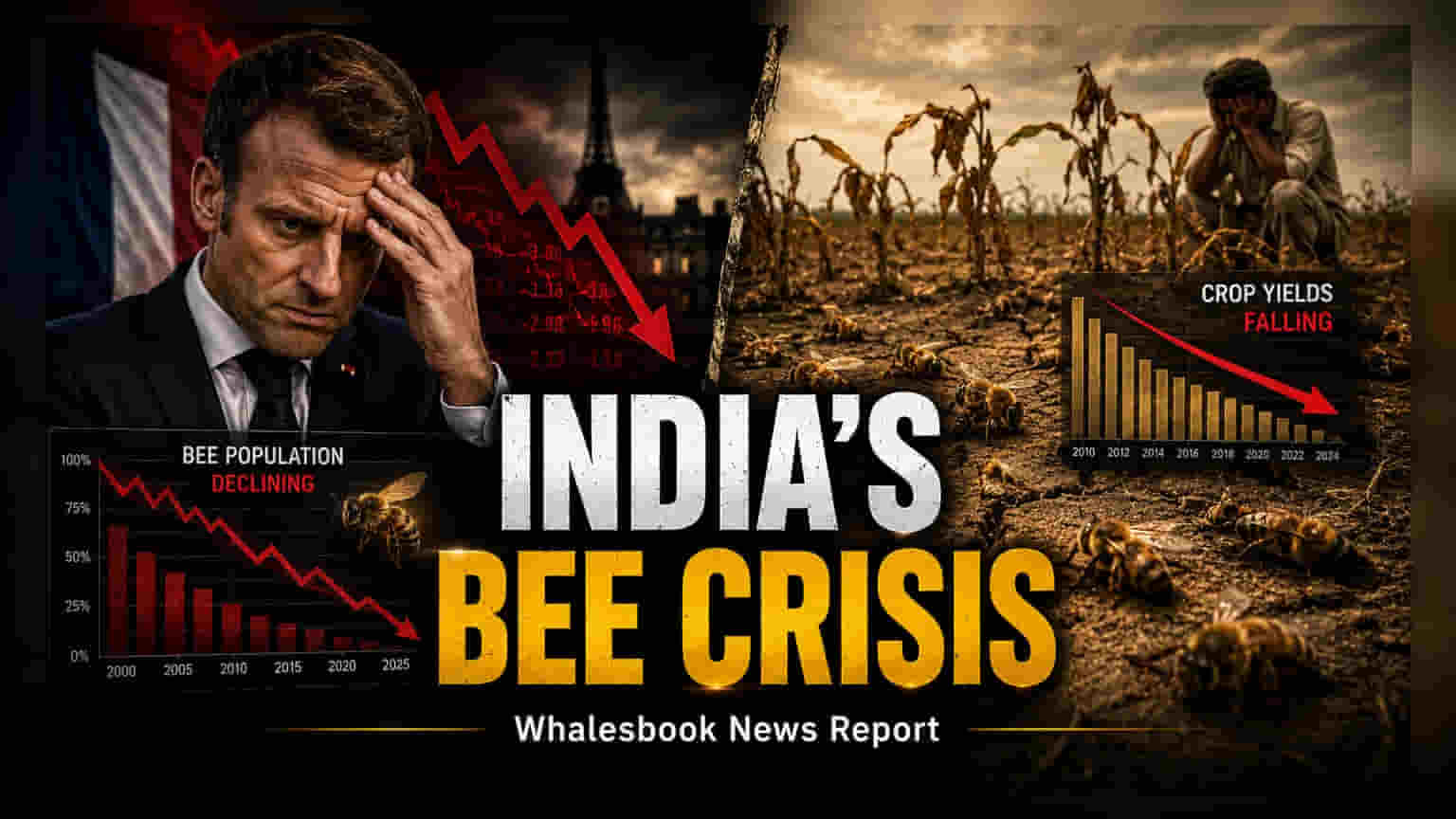
India continues to allow the use of 24 pesticides that were previously proposed for a ban due to environmental risks. This decision raises concerns about long-term soil health and crop yields, as these chemicals are linked to declining bee and earthworm populations which are essential for sustainable farming.
Detailed Coverage
The Ministry of Agriculture’s decision to allow the continued use of 24 highly hazardous pesticides has sparked a debate regarding the balance between immediate agricultural productivity and long-term ecological stability. While the ministry had initially proposed a ban on 27 chemicals in 2020 to mitigate environmental and health risks, a 2023 order reversed this stance for the majority, allowing their ongoing application across Indian farmlands.
Ecological Impact on Pollination and Soil
The primary concern raised by environmentalists and agricultural scientists involves the impact of these chemicals on pollinators, particularly bees. Bees play a vital role in increasing the yields of several major crops, including mustard, where their presence has been linked to output gains of 25% to 40%. When pesticides such as acephate, thiamethoxam, and malathion are used, they can impair the neurological and digestive functions of bees, often leading to paralysis or mass mortality.
Beyond pollination, the use of chemicals like chlorpyrifos and carbofuran poses a significant threat to soil health. These substances are known to severely reduce earthworm populations, which are fundamental to natural soil aeration and nutrient cycling. Over time, the decline in soil vitality can necessitate higher usage of synthetic fertilizers, creating a cycle that potentially threatens long-term agricultural sustainability.
Industry Perspective and Regulatory Context
Agrochemical companies operating in India frequently argue that these pesticides remain necessary to protect crops from severe pest infestations, thereby ensuring food security for a large population. From a regulatory standpoint, the government’s decision reflects the challenge of maintaining output while weighing scientific evidence against the immediate demands of the farming sector. Internationally, however, many of these chemicals face strict restrictions or bans because of their persistent toxicity to non-target species.
The presence of these substances in the domestic market is a key monitorable for the agrochemical sector. Investors in companies manufacturing or distributing these chemicals should track potential future regulatory changes, as shifts in government policy toward greener alternatives or more stringent safety standards could impact product portfolios. Furthermore, as global food standards become more rigorous regarding chemical residues, the ongoing use of these specific pesticides could pose indirect risks to the export competitiveness of Indian agricultural produce. Moving forward, the focus remains on whether the government will eventually phase out these substances in favor of safer, bio-based alternatives or maintain the current regulatory framework.