 Whalesbook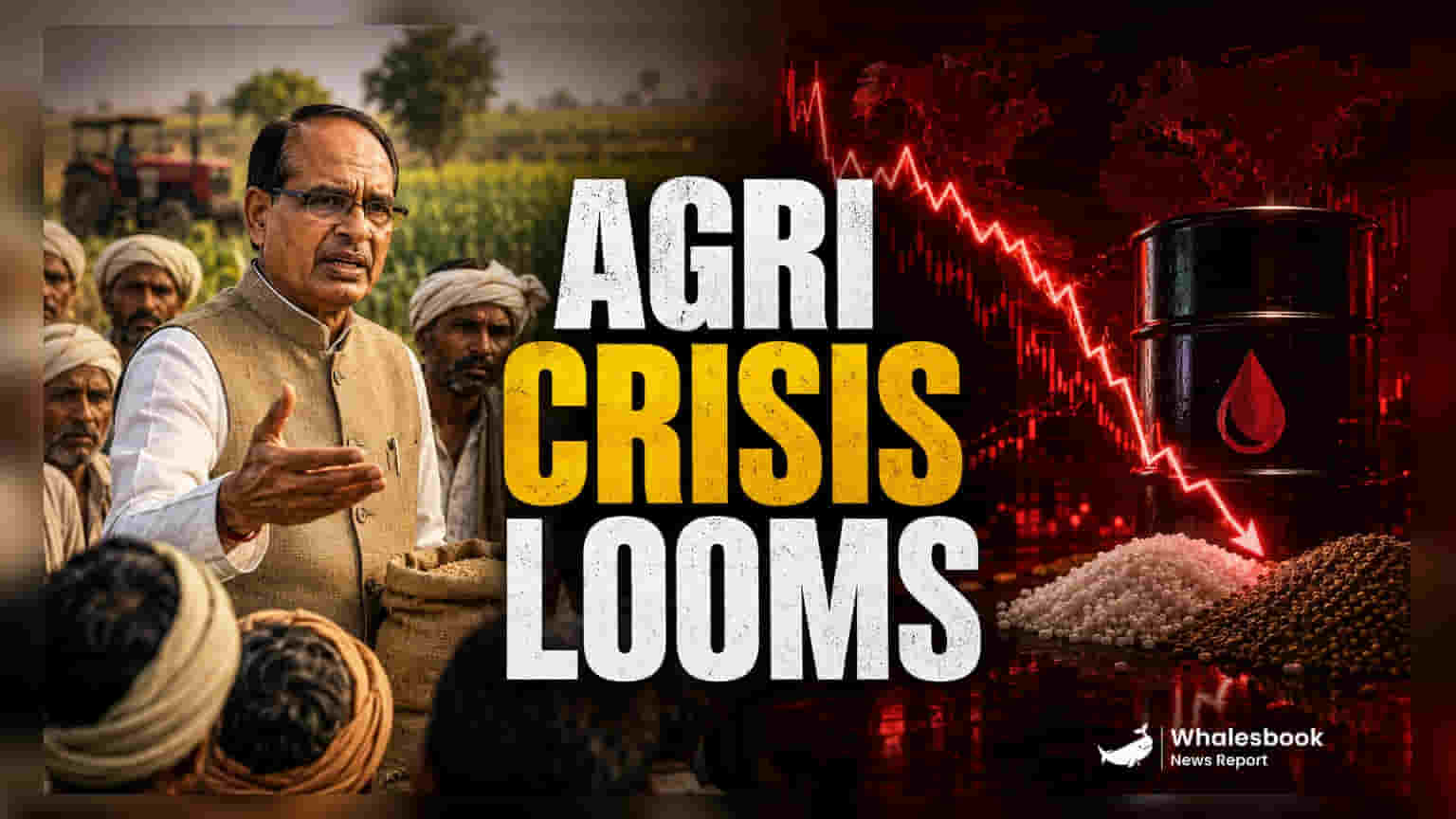


The Structural Pivot to Nano-Inputs
The launch of the 'Khet Bachao Abhiyan' marks a coordinated effort by the Ministry of Agriculture to decouple domestic crop productivity from volatile global energy markets. While the initiative is framed as a grassroots soil health campaign, the underlying catalyst is the precarious nature of India’s reliance on imported natural gas, the primary feedstock for urea production. By accelerating the adoption of nano-urea and organic alternatives, the government is effectively attempting to shrink the national fertilizer import bill, which remains highly susceptible to shipping disruptions in the Red Sea and broader West Asian conflict zones.
Fertilizer Resilience and Subsidy Pressures
Market analysis of the current Kharif season reveals a tightening balance between supply and requirement. With demand estimated at over 390 lakh metric tonnes, the existing 51% inventory buffer is being scrutinized by investors tracking Public Sector Oil Marketing Companies and fertilizer producers. The current geopolitical instability forces these entities to absorb significant costs as global feedstock prices decouple from controlled retail rates. Consequently, the government’s push for usage efficiency is not merely an environmental policy; it is a vital fiscal defensive measure designed to stabilize the massive fertilizer subsidy burden that threatens to widen the fiscal deficit if energy prices remain elevated.
The Forensic Bear Case: Vulnerability and Risks
Despite official rhetoric regarding adequate stock levels, the reliance on external supply chains for potash and urea represents a persistent structural weakness. Unlike diversified agricultural economies, India’s heavy dependence on imported raw materials leaves the sector vulnerable to price shocks that no amount of domestic outreach can fully neutralize. Furthermore, the operational challenge of shifting farming practices across millions of hectares remains high; historically, campaigns focused on behavioral change often face slow adoption rates, potentially leaving output growth disconnected from input reduction targets. Should global energy prices sustain an upward trajectory, the financial strain on state-backed marketing companies may necessitate either significant price hikes or expanded government debt to maintain current agricultural input accessibility.
Future Outlook and Sectoral Implications
Looking ahead, market participants should closely monitor the effectiveness of this campaign as a proxy for long-term policy success in reducing import dependency. The government’s willingness to leverage high-level ministerial coordination suggests that this strategy will remain a priority through the end of the year. If the initiative successfully suppresses urea demand without compromising yields, it could serve as a model for domestic agricultural resilience. However, persistent tension in global shipping lanes will likely keep the sector in a state of high alert, with analyst consensus remaining cautious on the potential for unexpected margin compression across the entire agricultural input supply chain.