 Whalesbook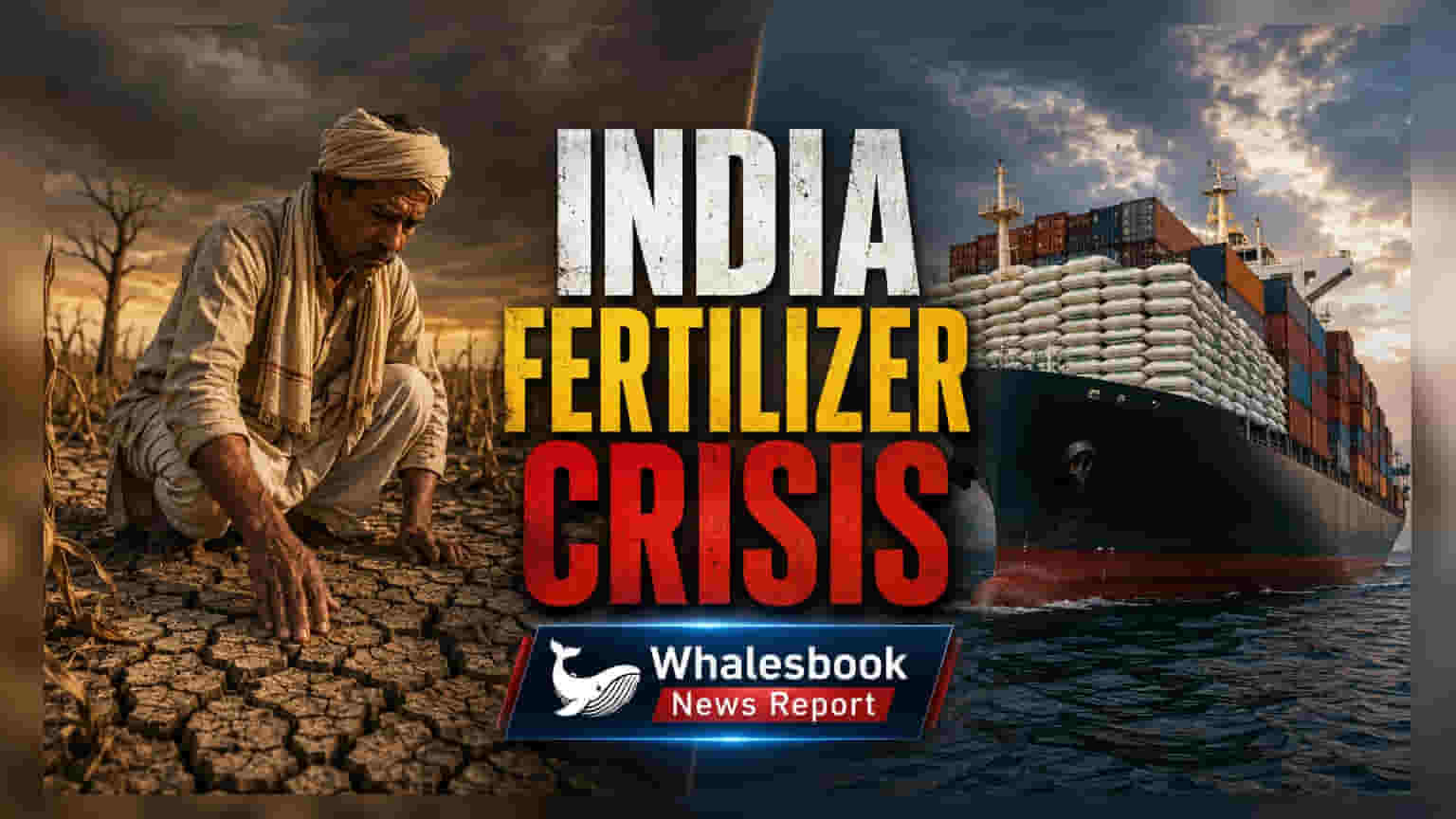


India Secures Urea Imports Amid Supply Worries
National Fertilizers Limited has issued a substantial tender for 1.7 million tonnes of urea. The goal is to build up domestic reserves before the critical Kharif agricultural season, with deliveries expected by July 20. This proactive measure aims to protect India's farmers from potential supply disruptions originating from the Persian Gulf, a region experiencing geopolitical tensions that can affect shipping routes and increase freight costs. The tender signals India's firm commitment as a major buyer in the global market.
Balancing Affordability and Fiscal Strain
India's urea prices for farmers are kept stable, shielded from global market swings. When international urea costs rise due to factors like high energy prices for production and regional conflicts, the government shoulders the difference as a subsidy. With the fertilizer subsidy budget set at ₹1.71 trillion for 2026-27, the administration is tasked with maintaining affordable farm inputs while managing the increasing expense of imports. Although India holds 200.12 lakh tonnes of urea, exceeding the typical safety stock, the significant volume of this new tender indicates that securing supply is a higher priority than optimizing import costs.
Pressure on Domestic Producers
Local fertilizer manufacturers, including National Fertilizers Limited, face a challenging business environment. While they receive government-allocated natural gas, their use of imported Liquefied Natural Gas (LNG) exposes them to global price volatility. Industry experts point out that companies with less integrated operations are more susceptible to reduced profit margins. Those heavily dependent on imported raw materials struggle when global nitrogen prices climb, especially without a corresponding rise in regulated domestic urea prices.
Long-Term Supply Chain Risks
Long-term structural concerns persist within India's fertilizer sector. The reliance on imports passing through the Strait of Hormuz for ammonia and natural gas remains a significant vulnerability. Past experiences show that tight supply conditions can lead to sustained high prices, with India's own demand sometimes influencing global price levels. Additionally, delays in government subsidy payments can impact manufacturers' cash flow, hindering investments in improving operations or expanding production capacity. As India's consumption of nitrogen fertilizers remains high, a key challenge is encouraging more balanced nutrient use to lessen the financial and environmental impact of over-reliance on urea.