

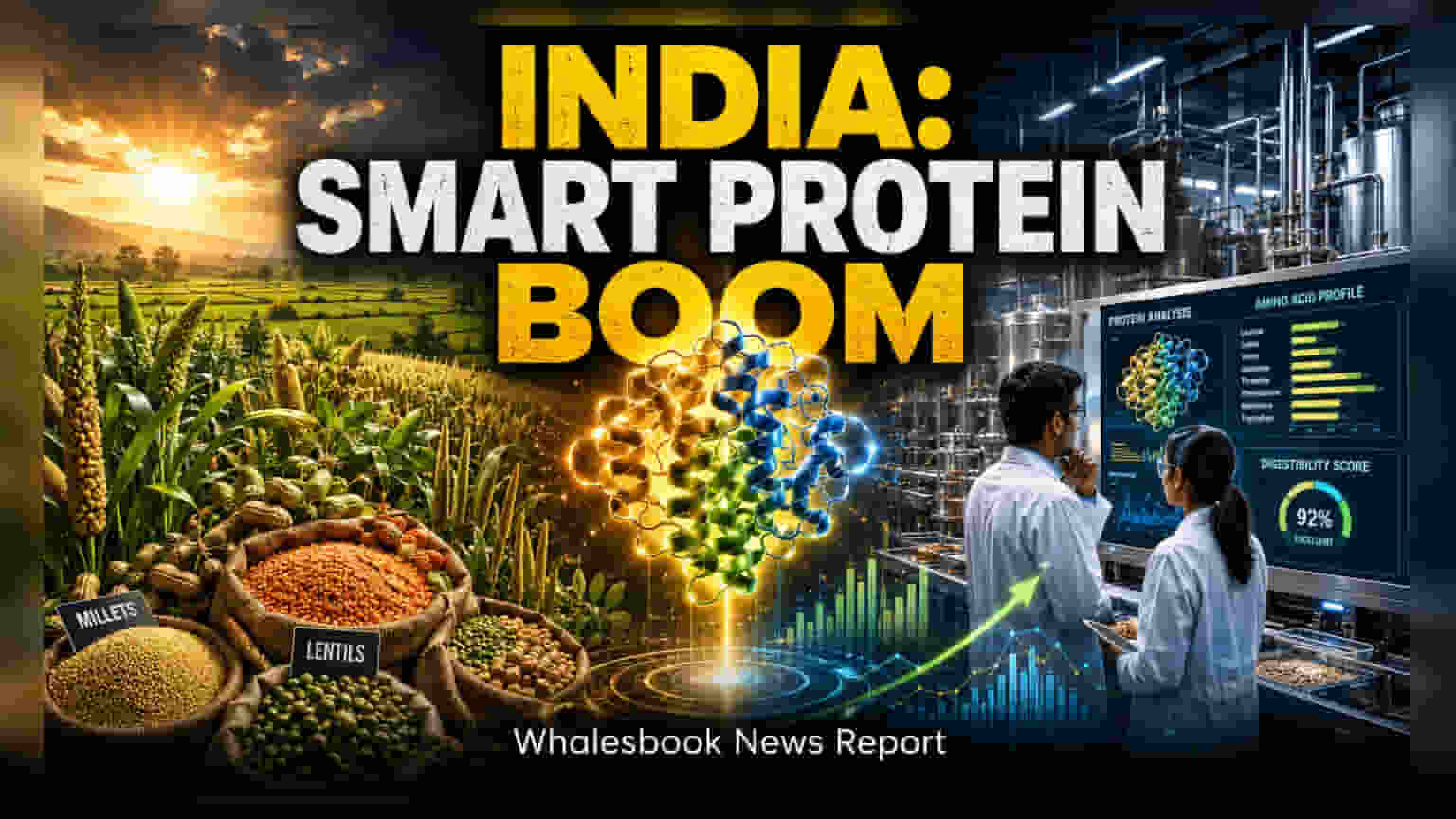
The Indian government’s BioE3 policy targets making India a global hub for alternative proteins like plant-based meat and dairy. With the domestic protein ingredient market projected to reach $30 billion by 2033, the move could create new revenue streams for farmers and food processors.
India is positioning itself to become a major manufacturing center for alternative proteins, an emerging sector often referred to as smart proteins. This includes plant-based, fermentation-derived, and cultivated alternatives to meat, eggs, and dairy products. The government has prioritized this area under its BioE3 policy, which focuses on biotechnology for the economy, environment, and employment. Scientific organizations are now channeling grants into early-stage research to build the necessary technical foundation for this industry.
Strategic Advantages in Agriculture and Processing
India holds a natural competitive advantage due to its vast agricultural base, which produces high-protein crops like pulses, legumes, and millets. Industry experts suggest that these indigenous crops—such as pigeon pea, mung bean, and horse gram—can be processed into high-value functional ingredients like protein isolates and concentrates. By shifting from exporting raw agricultural commodities to producing value-added ingredients, India intends to reduce import reliance and lower production costs. This transition requires significant investment in specialized processing equipment and domestic ingredient extraction facilities.
Economic Impact and Farmer Integration
For the broader agricultural economy, the growth of the smart protein sector could offer farmers more predictable income levels. The integration of farmer producer organizations and cooperatives into the value chain is a key goal, as these entities would participate in post-harvest processing. Beyond the potential for farmers, the industry represents an opportunity for MSMEs and startups to innovate in product texture, nutritional profiles, and taste, ensuring that plant-based alternatives remain culturally relevant and affordable for the domestic consumer.
Growth Projections and Execution Hurdles
The Union Ministry of Food Processing Industries has estimated the domestic market for plant protein ingredients could reach $30 billion by 2033. Globally, the market for plant-based meat is also expected to see significant expansion, with some estimates reaching up to $368 billion by 2035. While these projections indicate high demand, the sector faces substantial execution risks. Success will depend on the development of clear regulatory frameworks for novel food products and the establishment of shared pilot manufacturing facilities to help smaller players scale operations. Investors and stakeholders should track the speed of regulatory approvals and the actual commissioning of shared processing infrastructure, as these are critical to determining whether India can successfully compete with established international suppliers in this space.