 Whalesbook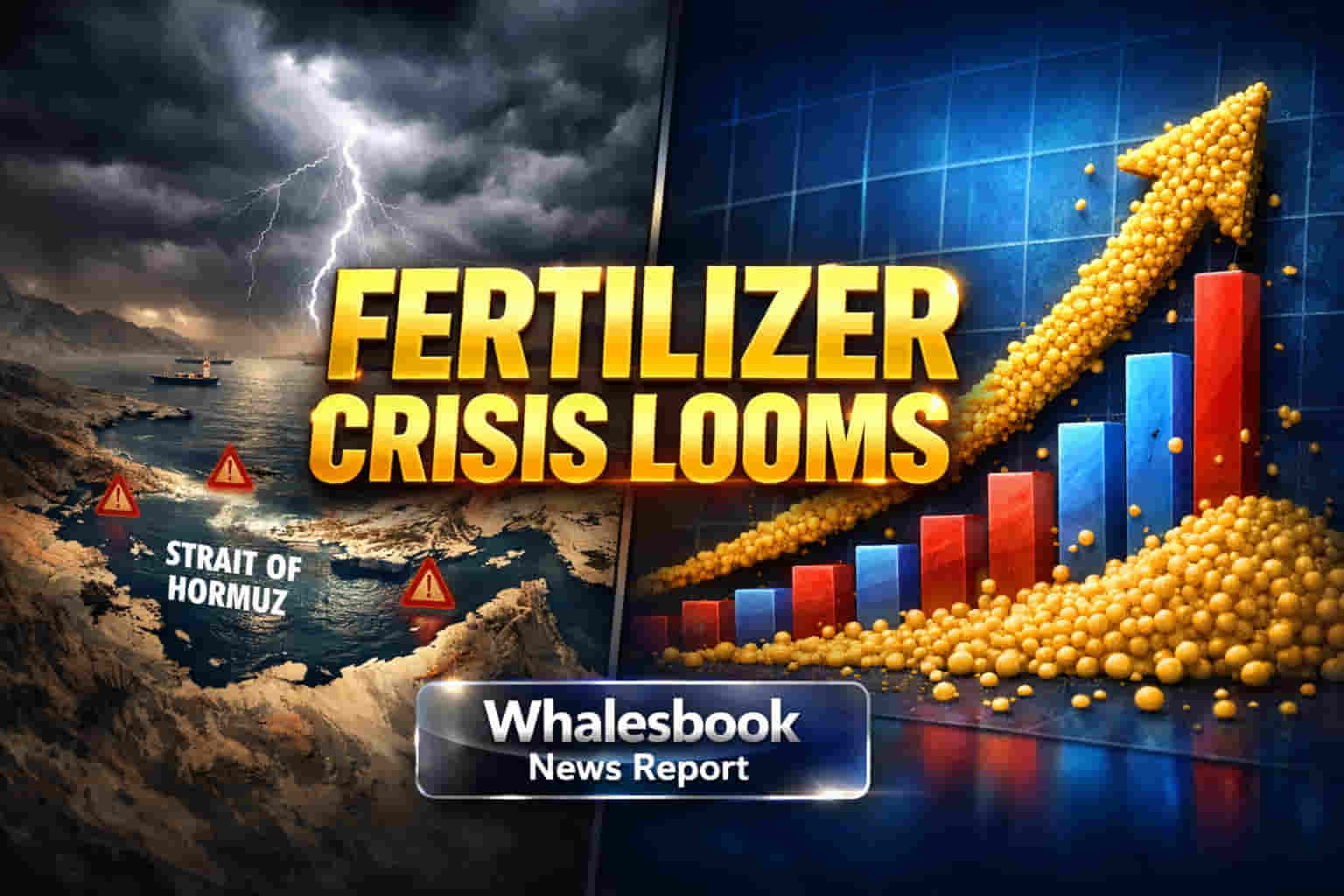


### The Choke Point Calculus
Heightened geopolitical friction between Iran and Israel has amplified concerns over maritime trade, placing India's critical fertilizer supply chain under immediate scrutiny. The Strait of Hormuz, a vital artery for global commerce, faces potential disruptions that could directly impede shipments of essential agricultural nutrients destined for India. Reports indicate that roughly ten vessels carrying various fertilizers were traversing this chokepoint on Sunday, underscoring the direct link between regional stability and the availability of farm inputs. The implications extend beyond mere price fluctuations, threatening the stability of India's agricultural output and its substantial fiscal commitments to fertilizer subsidies.
### Imported Vulnerabilities and Fiscal Strain
India's agricultural sector exhibits a profound dependence on imported fertilizers, creating a systemic vulnerability to geopolitical events and global price volatility. The nation imports approximately 90% of its phosphatic fertilizers and a full 100% of its potash (MOP). A significant portion of these imports, particularly from Gulf countries like Qatar, Saudi Arabia, and Oman, transit through the Strait of Hormuz. This reliance means any closure or severe impedance of the strait could trigger substantial price surges. Global fertilizer prices have already been on an upward trajectory, with urea prices notably crossing $600 per ton by February 2026 and DAP prices seeing significant annual increases in recent years. These rising international costs directly translate into a heavier burden on India's fertilizer subsidy bill, which was budgeted at approximately Rs. 1.7 lakh crore for FY27, a figure consistently above Rs. 1.67 lakh crore in prior fiscal years. The current geopolitical situation exacerbates this fiscal pressure, as any supply shock would likely necessitate increased government outlays to maintain affordable fertilizer prices for farmers.
### The Forensic Bear Case: Systemic Risks Exposed
The current scenario highlights several endemic weaknesses within India's fertilizer security framework. Firstly, the nation maintains limited strategic buffer stocks, with companies typically holding only 30-45 days of operational inventory. This minimal buffer leaves the supply chain highly susceptible to even short-term international disruptions. Secondly, diversification of import sources has been insufficient, with continued reliance on regions prone to geopolitical instability. Furthermore, past supply chain disruptions, such as China's export restrictions and sanctions on Russia and Belarus, have previously led to sharp price hikes and availability issues, yet structural improvements remain wanting. The timing of potential disruptions, coinciding with the crucial kharif sowing season, amplifies the risk of shortages and black-market premiums, directly impacting farmer livelihoods and potentially affecting crop yields and food security. China's selective export policies have also previously affected DAP supplies. The system's heavy dependence on imported raw materials like rock phosphate and phosphoric acid further compounds these vulnerabilities.
### Outlook: Navigating Uncertainty
In the immediate term, India is likely to navigate these supply concerns through enhanced monitoring of shipping lanes and potentially increased spot procurement. However, the long-term outlook necessitates a strategic re-evaluation of import dependencies and buffer stock policies. The government has initiatives aimed at promoting organic and nano-fertilizers, alongside efforts to secure long-term supply agreements. Yet, the substantial subsidy allocation for traditional chemical fertilizers underscores the ongoing reliance on the existing import-heavy model. Addressing these systemic risks requires a concerted effort to boost domestic production capacity, foster backward integration for raw materials, and strategically diversify import origins to mitigate the impact of future geopolitical volatilities on India's agricultural foundation.