

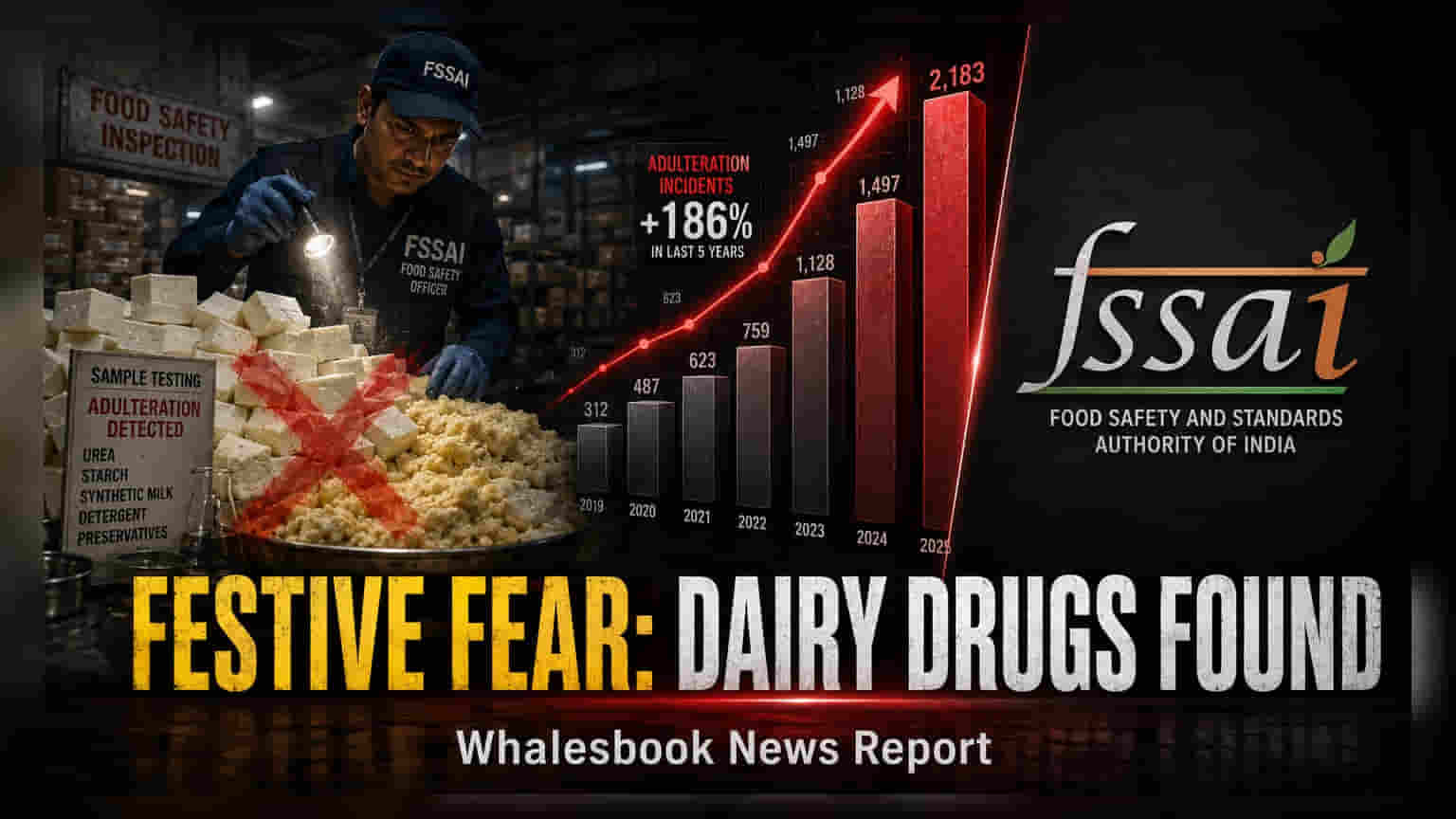
Uttar Pradesh food safety authorities destroyed 868 kg of paneer and 170 kg of khoya in Ghaziabad amid an intensified crackdown on dairy adulteration. This enforcement drive highlights the ongoing regulatory focus on food safety, which increasingly pushes consumers to choose trusted, branded dairy products over unorganized local suppliers.
The Uttar Pradesh Food Safety and Drug Administration (FDA) has intensified its enforcement operations in Ghaziabad, resulting in the seizure and destruction of 1,038 kilograms of dairy products. The authorities confirmed that 868 kilograms of paneer and 170 kilograms of khoya were destroyed following findings of adulteration. This action is part of a broader, statewide enforcement campaign aimed at curbing the distribution of substandard and contaminated food products, a recurring issue that typically sees increased activity during festive seasons when demand for dairy products peaks.
This recent operation in Ghaziabad follows a significant crackdown in Mathura’s Kosikalan area, where officials previously seized and destroyed approximately 1,500 kilograms of contaminated paneer and 3,000 liters of adulterated milk. The Food Safety and Standards Authority of India (FSSAI) has emphasized that these drives are essential to ensure public health, as adulterants like starch, detergents, and other synthetic chemicals are sometimes used by unscrupulous operators to alter the appearance and shelf life of dairy products.
Impact on the Dairy Sector
For investors and market participants, these raids underscore the structural shift within the Indian dairy industry. The sector is characterized by a significant presence of unorganized, local players who operate with varying degrees of regulatory oversight. Frequent regulatory actions against these small-scale, often unlicensed units serve as a reminder of the volatility inherent in the unorganized market.
Historically, increased regulatory scrutiny in the food sector tends to benefit organized dairy companies. As authorities crack down on local, unorganized producers, consumer trust in loose or unbranded dairy products can decline. This often drives a "flight to quality," where consumers increasingly shift their preference toward trusted, branded dairy products that adhere to strict safety, hygiene, and quality standards. Listed dairy companies with established supply chains and safety protocols generally benefit from this trend, as they are better equipped to maintain consistent quality and meet regulatory requirements.
Regulatory Monitorables
Investors monitoring the dairy sector should focus on the continued enforcement of food safety norms. The FSSAI has been proactive in deploying mobile testing units and increasing laboratory sampling to enforce compliance. While individual raids focus on local units, the broader market implication is a sustained focus on quality control. Moving forward, the key monitorable for the industry remains the sustained cost of compliance for processors and the evolving consumer preference for branded, packaged dairy goods. Any further tightening of food safety regulations, particularly ahead of major festival seasons, is likely to keep the pressure on unorganized players, potentially widening the market share gap between the informal and formal dairy sectors.