

Maharashtra's aggressive solar pump subsidies are driving rapid adoption, with GK Energy winning a ₹235.92 crore MSEDCL order. The company reported 55.55% revenue growth in Q1 FY27, but investors should track working capital needs and policy dependence.
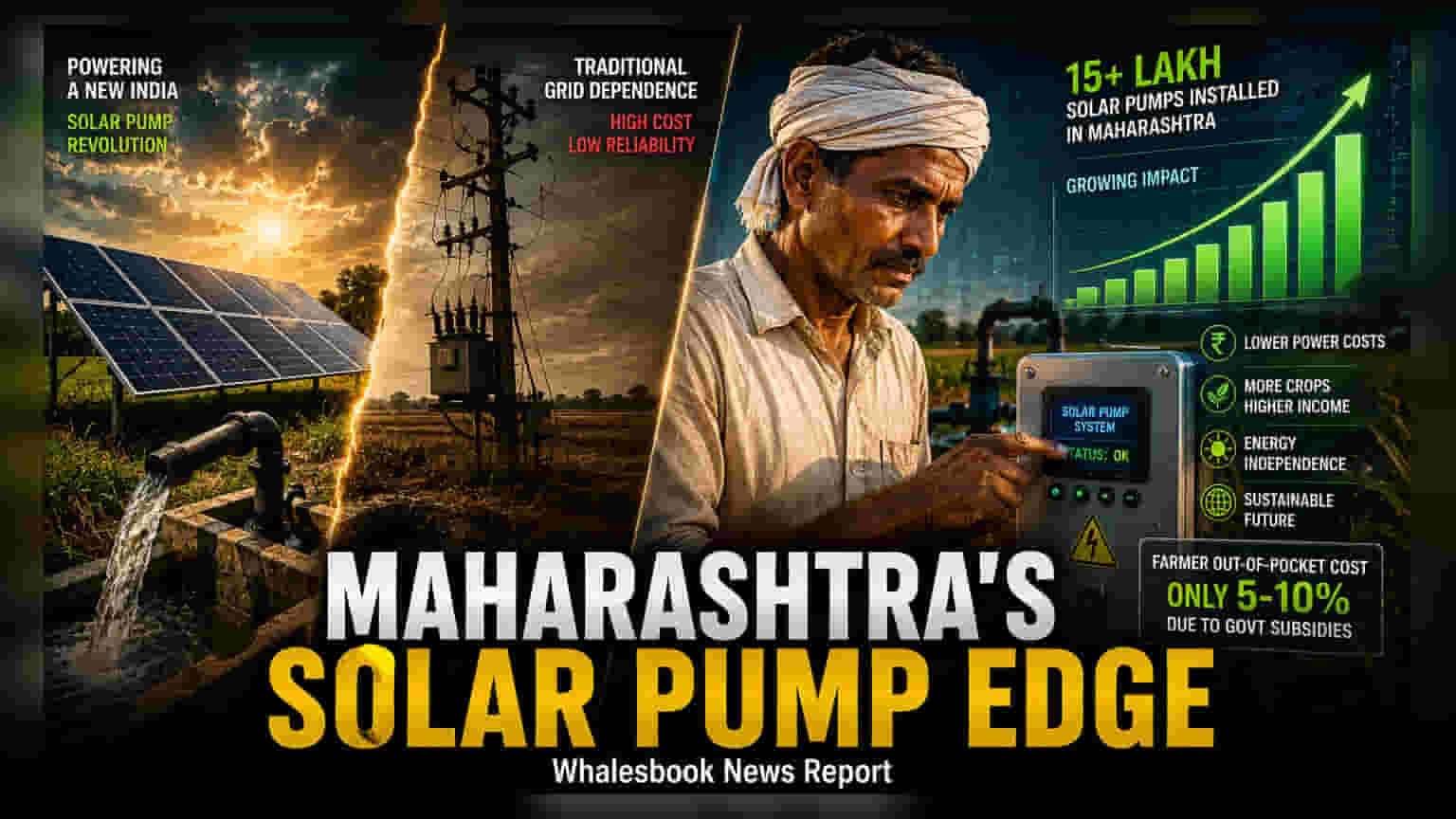
Maharashtra’s push for solar-powered agriculture has created a significant business opportunity for equipment providers, with the state’s aggressive subsidy policy keeping farmer out-of-pocket costs as low as 5–10%. This policy, which combines state-specific initiatives like the Magel Tyala Saur Krushi Pump Yojana with the central PM-KUSUM scheme, has led to over 15 lakh solar pump installations across the state. Publicly listed GK Energy Limited (BSE: 544525) has emerged as a key beneficiary of this demand, managing a substantial portion of these implementations.
Order Wins and Financial Performance
In July 2026, the company secured a major order from the Maharashtra State Electricity Distribution Company Limited (MSEDCL) valued at ₹235.92 crore. This contract involves the installation of 10,000 solar agricultural pumps, with a strict 60-day execution window. This win follows a strong financial start to the current fiscal year, with GK Energy reporting a 55.55% year-on-year revenue growth in the June quarter (Q1 FY27). The company's business model relies on using third-party manufacturing capacity for pumps and panels, allowing it to scale operations without heavy upfront spending on factories.
This rapid adoption is transforming rural energy infrastructure. By shifting farmers away from grid-connected pumps, the state is reducing the burden on rural transformers and lowering maintenance costs. The shift is also helping farmers increase their productivity, with many now reporting the ability to cultivate multiple crops annually due to consistent water availability, compared to the single crop cycle that was common previously.
Execution and Policy Risks
While the order book is growing, the company’s business model carries specific risks that investors should monitor. Because GK Energy operates as an EPC (Engineering, Procurement, and Construction) contractor, it requires significant working capital to manage projects before receiving payments from government agencies. Delays in payments from state utilities or changes in government budget allocations could pressure cash flows.
Additionally, the company is heavily dependent on the continuation of government-backed solar schemes. Any policy shift at the central or state level, or the exhaustion of government subsidies, could directly impact the company's future revenue streams. The reliance on third-party vendors for key components like solar panels and pump controllers also introduces supply chain risk; any disruption in component availability could jeopardize the strict execution timelines set by state contracts. Investors will likely track the company’s ability to manage its working capital cycle and ensure the timely completion of the current ₹235.92 crore MSEDCL project to maintain its growth trajectory.