

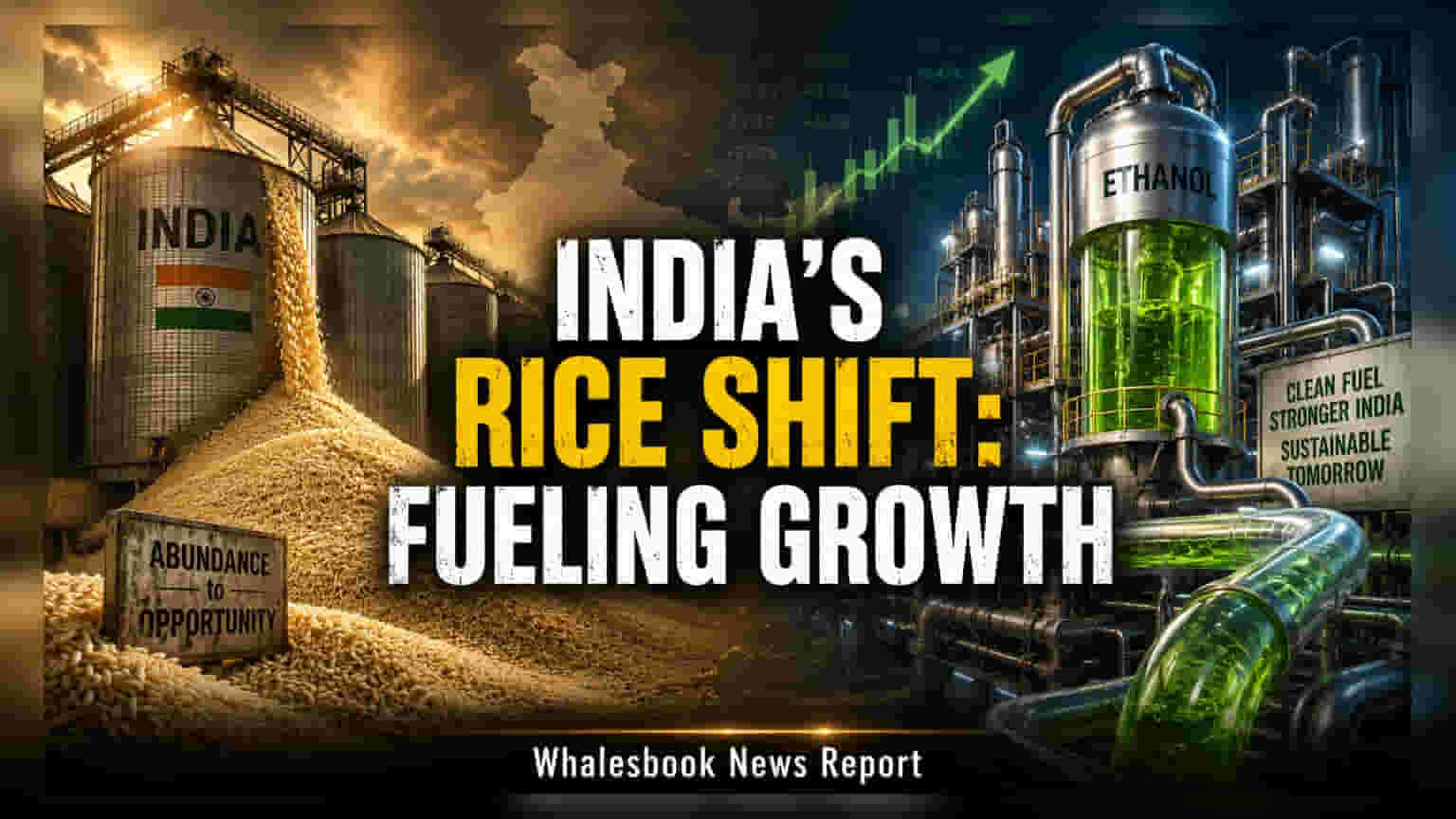
The government is releasing 12.7 million tonnes of rice to ethanol distilleries to hit 20% blending targets by 2026-27. This move helps manage surplus grain stocks but may impact rice export competitiveness.
Detailed Coverage
The Food Corporation of India (FCI) has launched a new standard operating procedure to sell surplus rice for ethanol production. This initiative involves allocating 5.5 million tonnes of 100% broken rice through e-auctions and 7.2 million tonnes from existing buffer stocks specifically for distilleries. The policy is designed to help India reach its target of 20% ethanol blending in fuel by the 2026-27 supply year.
Strategic Inventory Management
With record harvests in the 2025-26 crop year, India's rice and paddy surplus has reached 40.3 million tonnes. By diverting this grain to biofuel production, the government aims to reduce the high storage costs associated with maintaining such large inventories. Under the new guidelines, the price for ethanol-grade rice is fixed at ₹2,320 per quintal until October 31, 2026, after which it will rise to ₹2,390 per quintal. This price stability offers a predictable cost structure for ethanol manufacturers, which is a significant factor for companies operating in the biofuel space.
Export and Market Dynamics
While this policy benefits the biofuel sector, it introduces potential challenges for the broader rice market. By increasing the internal consumption of rice for fuel, the supply of non-basmati rice available for international trade may tighten. This could lead to a rise in domestic rice prices, potentially affecting India’s competitive edge in markets across Africa and Southeast Asia. If domestic prices increase, global competitors such as Vietnam, Pakistan, and Myanmar may see an opportunity to gain market share.
Investors should note that the government has emphasized its commitment to maintaining sufficient supplies for the Public Distribution System and national buffer norms. This suggests that while the export sector faces uncertainty, the primary focus remains on balancing food security with energy self-reliance.
Monitorables for Investors
Moving forward, the primary factor for investors will be the actual uptake of these rice stocks by distilleries. Success will depend on the cost-effectiveness of using rice compared to other feedstocks like maize. Furthermore, any significant changes in global rice price trends or government revisions to export policies will be critical to monitor, as these will directly influence the profit margins of companies involved in both the ethanol and rice export sectors.