 Whalesbook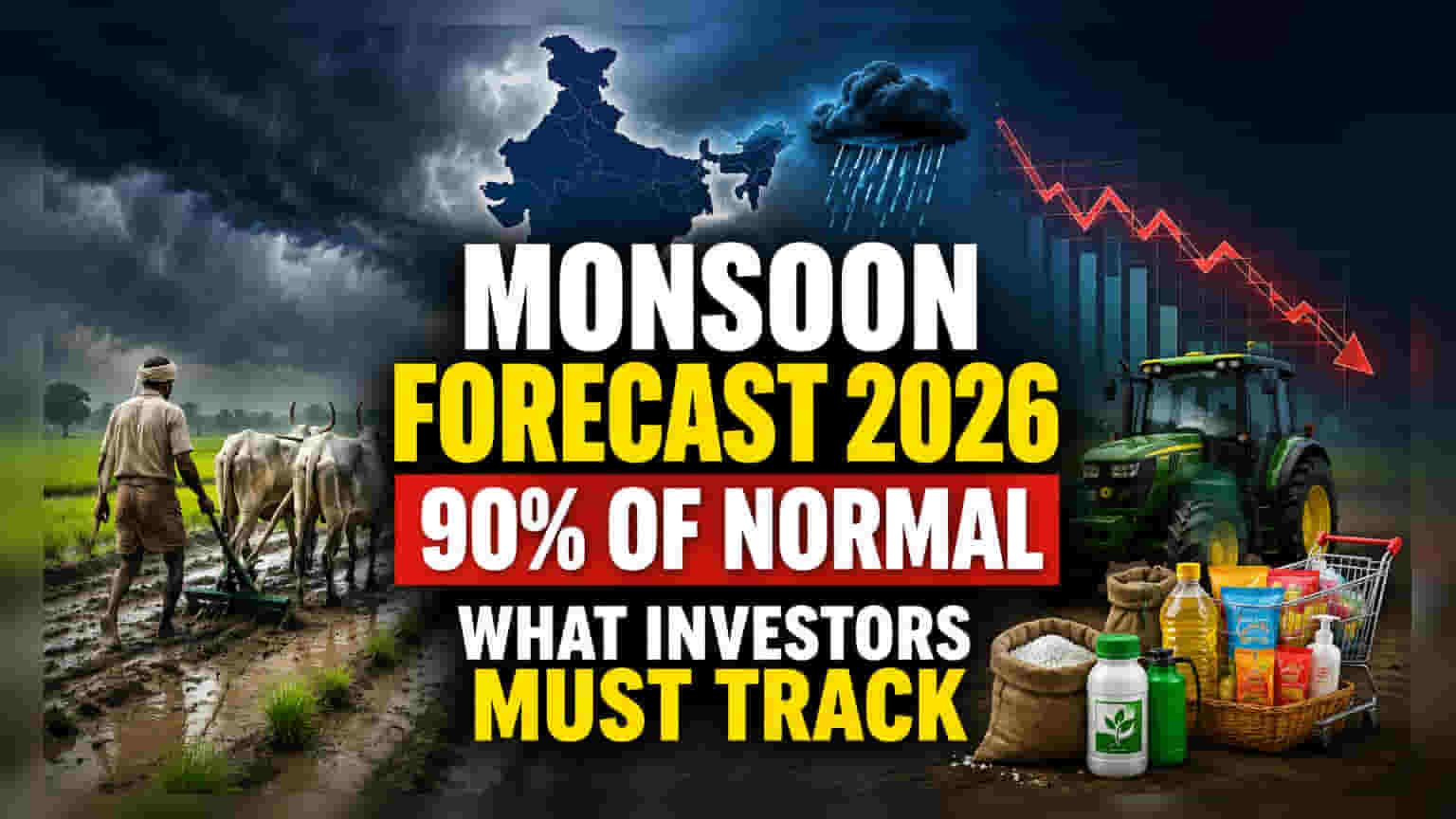


The India Meteorological Department (IMD) warns of a below-normal monsoon this season due to El Niño. This development directly impacts sectors tied to the rural economy, including FMCG, farm equipment, and fertilizers, while raising concerns about food inflation and potential central bank policy responses.
What Happened
The India Meteorological Department (IMD) has issued a forecast predicting southwest monsoon rainfall at 90% of the Long Period Average (LPA) for the 2026 season. This is classified as below-normal. The forecast is driven by the development of El Niño conditions, which are characterized by warmer Pacific Ocean temperatures that historically disrupt standard weather patterns in South Asia. This announcement has raised concerns about the health of the upcoming kharif season, which is crucial for India’s agricultural output and rural income.
Why This Matters For Investors
In the Indian context, the monsoon is more than a weather event; it is a primary economic driver. A significant portion of the population relies on agriculture for income. When the monsoon is weak or uneven, it affects rural purchasing power, which ripples through the broader stock market. Investors often look at this data because a poor harvest can lead to two major outcomes: slower rural consumption and higher food inflation. When food prices rise, the Reserve Bank of India may find it harder to lower interest rates, which can impact valuations across several sectors.
Impact on Key Sectors
The rural economy is highly sensitive to the quality and timing of rainfall. Several sectors face specific challenges during a weak monsoon year.
FMCG companies that have high exposure to rural markets may see slower volume growth if agricultural incomes decline. When farmers have less disposable cash, their spending on packaged goods and non-essential items typically falls.
Manufacturers of farm equipment, such as tractors and harvesters, often see demand correlate with rural prosperity. If the harvest is poor or sowing is delayed, farmers may delay capital spending on new machinery, which impacts these companies' sales volumes.
Agro-chemical and fertilizer companies face a dual challenge. A bad monsoon might reduce the total area sown, which in turn reduces the demand for seeds, fertilizers, and pesticides. Additionally, any government policy intervention to manage food supply, such as export bans or stock limits, can sometimes affect these businesses.
The Inflation Connection
A primary concern for the broader market is food inflation. If the monsoon fails to deliver sufficient rainfall in key grain-producing states, the supply of vegetables, pulses, and oilseeds may tighten. This, in turn, drives up retail prices. Elevated food inflation often forces central banks to maintain higher interest rates for longer, which affects the borrowing costs for companies and consumers alike.
How Investors May Read This
Market participants do not react to the forecast alone but to the actual execution on the ground. Historical data shows that even in years with below-normal forecasts, good irrigation and reservoir management can mitigate losses. Investors typically monitor high-frequency data, such as state-wise sowing patterns, reservoir levels, and retail food price data, to gauge the severity of the situation. It is also important to note that a below-normal forecast does not guarantee a crisis, as the timing of the rainfall is often as important as the total volume.
What Investors Should Track
Moving forward, the focus will remain on the actual distribution of rainfall across the country's key agricultural belts. Investors should track reservoir levels, as these act as a buffer for the farm sector. Additionally, any government announcements regarding import policies, export restrictions on key commodities, or support measures for farmers will be critical. The commentary from FMCG and auto-ancillary companies in upcoming quarterly results will also provide real-time insights into the health of rural demand.