 Whalesbook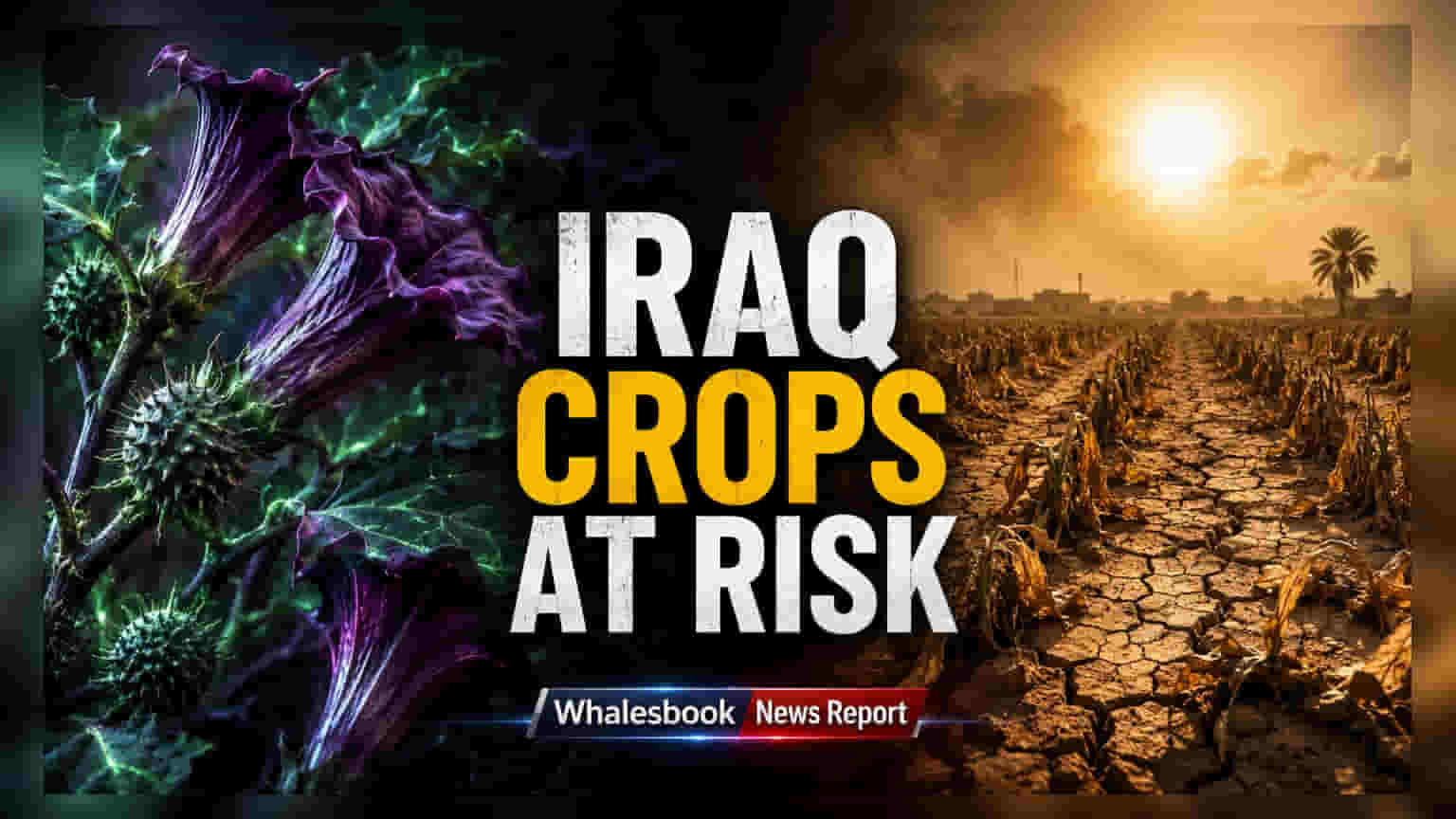


The Economic Impact of Botanical Proliferation
Beyond the immediate biological hazards, the uncontrolled growth of Datura stramonium—locally identified as the devil's trumpet—threatens to destabilize Iraq’s already precarious agricultural output. When this invasive species infiltrates crop fields, the resulting harvest contamination necessitates widespread discarding of produce to ensure human and animal safety. This forced destruction creates supply chain bottlenecks, driving up localized food prices and further straining a nation reliant on stabilizing its domestic production against imported alternatives.
Ecological Resilience and Regional Vulnerability
While agricultural experts initially believed the species would struggle in Iraq's semi-arid conditions, the plant has exhibited unexpected physiological plasticity. The combination of nitrogen-saturated irrigation channels and reduced manual weeding—a direct result of labor shortages in rural provinces—has allowed the plant to outcompete native flora. Unlike typical weeds that require specific conditions to germinate, Datura utilizes a high-volume seed bank strategy. This means that even after primary eradication, the soil remains laden with dormant, viable seeds, ensuring that the risk of re-emergence remains high for several growing seasons.
The Forensic Risk Assessment
The reliance on chemical pesticides to curb this spread presents its own set of systemic hazards. Heavy application of broad-spectrum herbicides on riverbank zones risks leaching toxic runoff into the Tigris and Euphrates river systems, potentially impacting municipal water supplies downstream. From a risk-mitigation perspective, the Ministry of the Interior faces a zero-sum dilemma: continue biological and chemical warfare against the plant at the cost of water purity, or allow the unchecked expansion to compromise the agricultural tax base. Furthermore, the lack of centralized oversight in previously conflict-ridden zones ensures that fragmented efforts will likely prove insufficient. The absence of a coordinated, nation-wide containment strategy suggests that the plant will likely migrate toward neighboring provinces, turning a localized infestation into a regional supply chain disruption.
Future Outlook on Agricultural Stability
Analysts monitoring Middle Eastern agricultural markets suggest that this event is a precursor to deeper issues regarding infrastructure maintenance and food autonomy. Without significant capital expenditure directed toward modernizing irrigation management and restoring neglected farmland, the systemic vulnerability to invasive species will remain elevated. Market participants should expect higher input costs for local agricultural cooperatives as they shift resources from production to ongoing remediation and safety testing programs.