

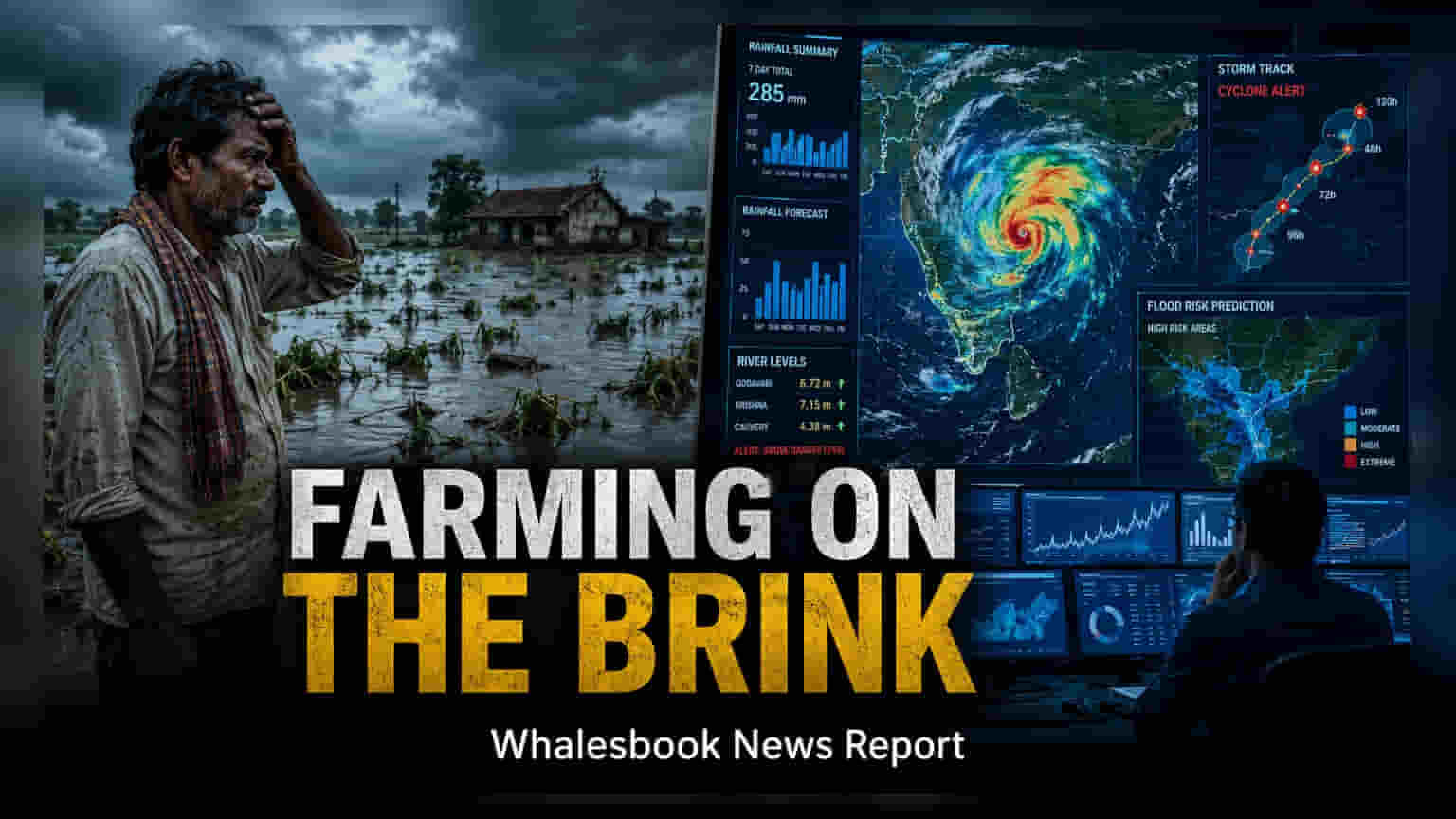
Despite advanced weather forecasting, India's agriculture sector faces significant losses from extreme weather events like recent floods. Investors should note that current tech-based warnings lack ground-level integration with supply chain infrastructure, potentially impacting crop yields and logistics efficiency.
Recent extreme weather events in regions such as Jammu & Kashmir, Nagaland, and Assam during July 2026 have highlighted a persistent vulnerability in India's agricultural framework. While the India Meteorological Department has enhanced its precision through the Mausamgram portal, providing village-level forecasts up to ten days ahead, the practical application of this data remains limited. For the broader agricultural sector, the gap between receiving a weather alert and executing a protective measure against crop damage continues to be a major hurdle.
Challenges in Supply Chain Resilience
The fundamental issue for the agricultural value chain is that current planning tools often focus on atmospheric data rather than the physical risk to essential infrastructure. Critical components of the farm-to-market journey—including warehouses, procurement centers, and rural mandis—are often located without sufficient consideration of climate hazard zones. When floods occur, the lack of pre-planned, climate-resilient logistics means that harvested produce can be trapped, storage facilities can become inaccessible, and transportation routes can fail, leading to significant post-harvest losses.
Impact on Agricultural Productivity and Finance
For investors monitoring agricultural companies, fertilizer firms, and logistics providers, this reliance on climate-vulnerable infrastructure poses a long-term risk to profitability. Profit margins in the agricultural sector are frequently sensitive to the reliability of supply chains. If procurement centers and warehouses are not climate-proofed, companies may face increased costs due to inventory spoilage, supply shortages, and disrupted procurement cycles. Furthermore, the financial burden of these disruptions often falls on farmers, who rely on small-scale operations and may lack the capital to invest in climate-resilient storage or advanced disaster mitigation strategies.
The Future of Farm Technology
The transition toward true climate resilience requires a shift from simple weather forecasting to comprehensive decision-support platforms. Such systems would need to integrate real-time weather data with socio-economic vulnerability maps, ensuring that farmers and local entities like Farmer Producer Organizations (FPOs) can take specific, actionable steps. Key monitorables for market participants include the adoption of decentralized storage solutions, the integration of climate risk data into rural infrastructure development, and the emergence of climate adaptation finance. As India continues to digitize its rural economy, the effectiveness of these platforms in reducing crop loss and stabilizing supply chains will be a critical factor in determining the long-term health of the sector.