 Whalesbook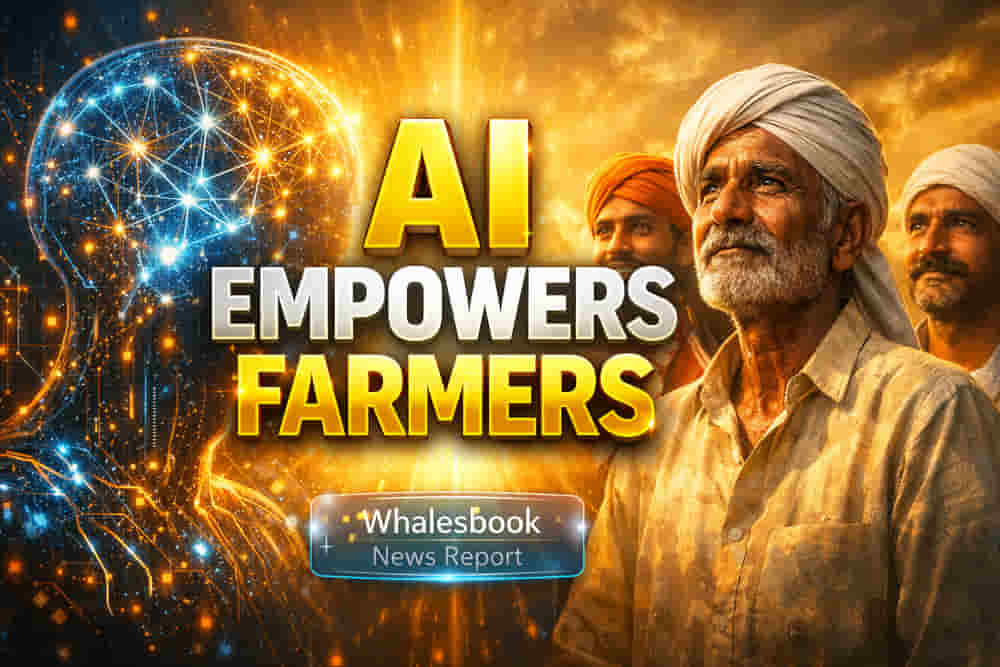
The Digital Agriculture Expert Arrives
The Indian government has officially launched Bharat-VISTAAR, a sophisticated AI-driven platform aimed at revolutionizing agricultural advisory services. This initiative, prominently featured in the Union Budget 2026-27 with an initial allocation of ₹150 crore for the fiscal year, promises to serve as a 24/7 "digital agriculture expert" for farmers across the nation. The AI assistant, named Bharati, is accessible via a dedicated phone number (155261) and is designed to provide multilingual guidance on crop planning, pest management, weather forecasts, and crucial details on ten major central government schemes like PM-KISAN and the Kisan Credit Card.
Bharat-VISTAAR's integration with national digital infrastructure, including AgriStack portals and the Indian Council of Agricultural Research (ICAR) packages, signifies a strategic move towards a unified digital ecosystem for agriculture. This national digital backbone aims to break down information silos, offering farmers customized, data-driven recommendations tailored to local conditions. The platform's interactive nature is intended to foster evidence-based policy-making by channeling farmer feedback directly into government systems. Such a comprehensive approach mirrors the broader national strategy of leveraging AI for development, aligning with initiatives like the India AI Mission and BHASHINI.
Bridging the Gap or Widening the Divide?
While the potential benefits of Bharat-VISTAAR are substantial—including enhanced farm productivity, better decision-making, and reduced risk from climate variability and pest outbreaks—its widespread adoption faces considerable headwinds. Research indicates that only about 25% of Indian farmers are comfortable using digital tools, and reliable internet connectivity remains a challenge in many rural areas. The digital divide, compounded by language barriers and low digital literacy rates, poses a significant obstacle to effective engagement. For small and marginal farmers, who constitute over 80% of India's agricultural workforce, the cost of technology adoption, even indirectly through access to information, can be prohibitive.
Furthermore, the success of such initiatives hinges on robust data integration and management. Technical challenges related to data heterogeneity, format incompatibility, and limited connectivity can impede the seamless flow of real-time information crucial for timely advisories. The reliance on farmer feedback for policy refinement also requires sophisticated mechanisms to ensure accurate data capture and analysis. Past government initiatives have shown mixed results in scheme delivery, highlighting the persistent gap between policy intent and grassroots implementation.
The Forensic Bear Case: Data, Trust, and Implementation Risks
From a risk-averse perspective, several concerns warrant scrutiny. The centralization of agricultural data through Bharat-VISTAAR, while enabling policy insights, presents significant data privacy and security risks. Ensuring compliance with data protection regulations and preventing misuse of sensitive farmer information by third parties is paramount. The potential for exclusionary risks also exists, as tenant farmers or landless laborers might be overlooked if the system primarily relies on land ownership records, a common issue with digital identification systems like AgriStack.
Moreover, the institutional capacity for effectively integrating AI into public services remains a question. The trend towards "black-box" decision-making systems raises alarms about transparency and accountability, potentially leading to wrongful exclusions in welfare delivery. Unlike sophisticated private agritech solutions that may offer more user-friendly interfaces and rapid innovation cycles, government platforms often face challenges in agility and responsiveness. The trust deficit among farmers towards new technologies, coupled with language barriers, could lead to underutilization, rendering the ₹150 crore investment less impactful than anticipated. The effectiveness of such large-scale digital interventions is also influenced by the government's track record in scheme delivery, which has historically shown disparities between central directives and local execution.
Future Outlook
Bharat-VISTAAR represents India's strategic commitment to leveraging AI for agricultural transformation. Its success will depend on its ability to transcend technological implementation and actively address the socio-economic barriers to adoption. The initiative's potential to integrate with financial services, such as credit and crop insurance, could further bolster farmer resilience. As India's agritech market continues its projected growth, estimated to reach substantial figures by 2033, Bharat-VISTAAR's contribution will be a key indicator of the government's capacity to drive inclusive and sustainable digital development in its most vital sector.