

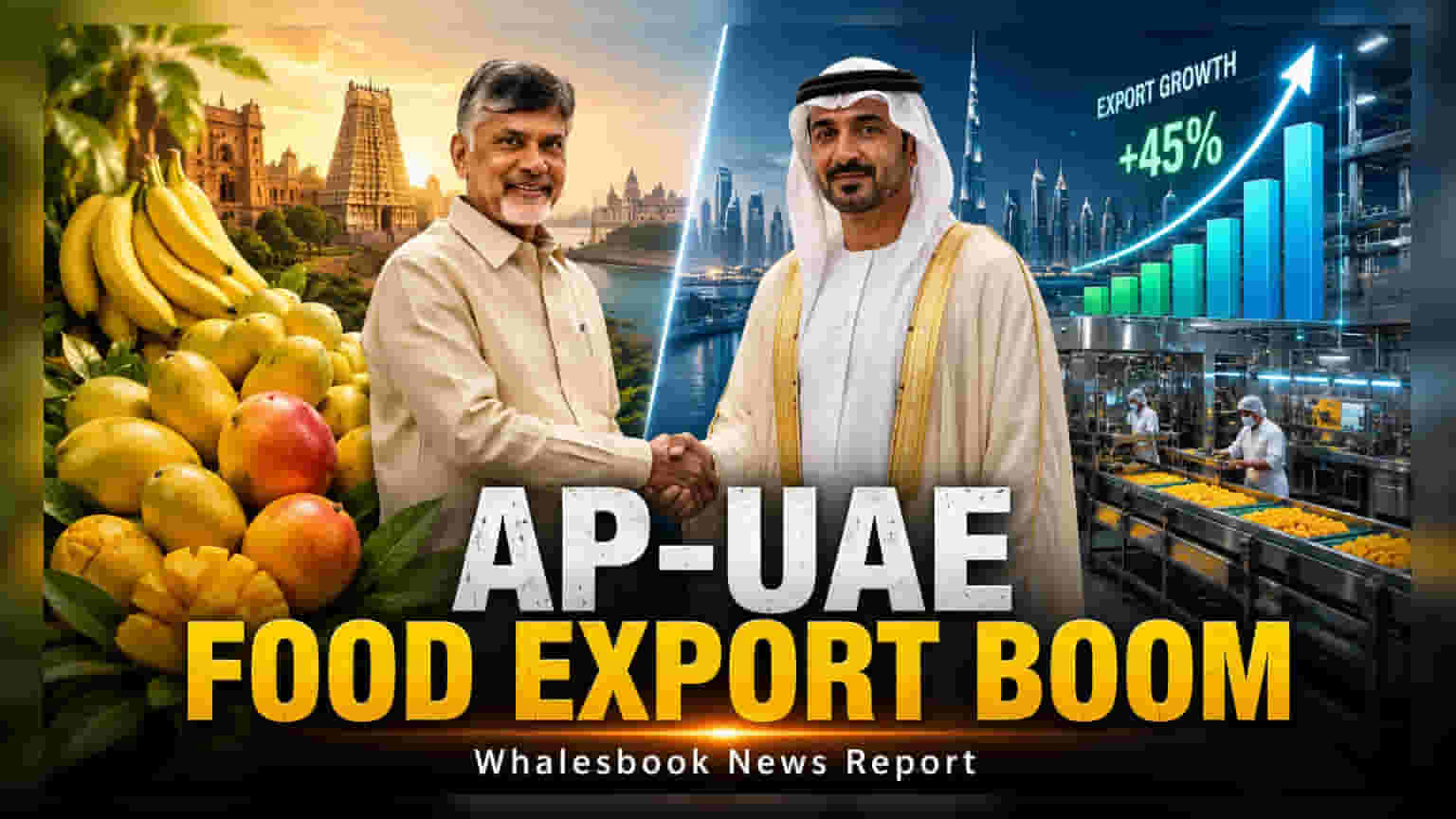
Andhra Pradesh and the UAE have finalized plans to establish a food cluster to boost exports of produce like mangoes and bananas. This strategic partnership, which grew from discussions at the World Economic Forum, aims to improve the state's food processing value chain and international market access.
Detailed Coverage
Andhra Pradesh Chief Minister N Chandrababu Naidu met with UAE Minister of Economy and Tourism Abdulla Bin Touq Al Marri on Tuesday to formalize a partnership for a new food cluster. This initiative is designed to create a specialized zone for processing and exporting agricultural products, marking a significant step in the state’s efforts to strengthen its food processing infrastructure.
The project stems from discussions held earlier this year at the World Economic Forum in Davos. During those meetings, the UAE identified Andhra Pradesh as a key location for developing a food cluster that would serve as a bridge between the state’s agricultural output and international consumer markets. The collaboration will focus on building an integrated value chain for horticultural goods, specifically targeting mangoes, bananas, and cocoa.
Building the Export Value Chain
For investors monitoring the agricultural and food processing sectors, the value chain development is the most critical element of this announcement. An integrated value chain typically involves infrastructure for storage, quality control, packaging, and logistics. By streamlining these processes, the state aims to reduce post-harvest losses and meet the rigorous quality standards required for export markets in the UAE and beyond.
This move aligns with the state's broader goal to increase the export of its horticultural produce. Andhra Pradesh is a leading producer of several fruits and spices, but historical challenges in cold chain logistics and standardized processing have sometimes limited the direct export potential. If successful, this cluster could help local producers reach more lucrative international buyers directly.
Potential Impact on Food Processing
The establishment of a formal food cluster is expected to attract investment into the state's food processing sector. By providing a dedicated space with necessary regulatory and logistical support, the government intends to make it easier for companies to set up processing units. Investors should track how the government allocates land, the timeline for setting up common infrastructure facilities, and whether private food processing firms enter into specific tie-ups to operate within this cluster.
While the announcement highlights growth opportunities, the project’s success will depend on factors such as timely completion of infrastructure, the ability to maintain consistent export quality, and navigating global trade regulations. The next important update to monitor will be the formal announcement of the project timeline, land allocation details, and the participation of private sector partners who will manage the actual processing and export operations.