 Whalesbook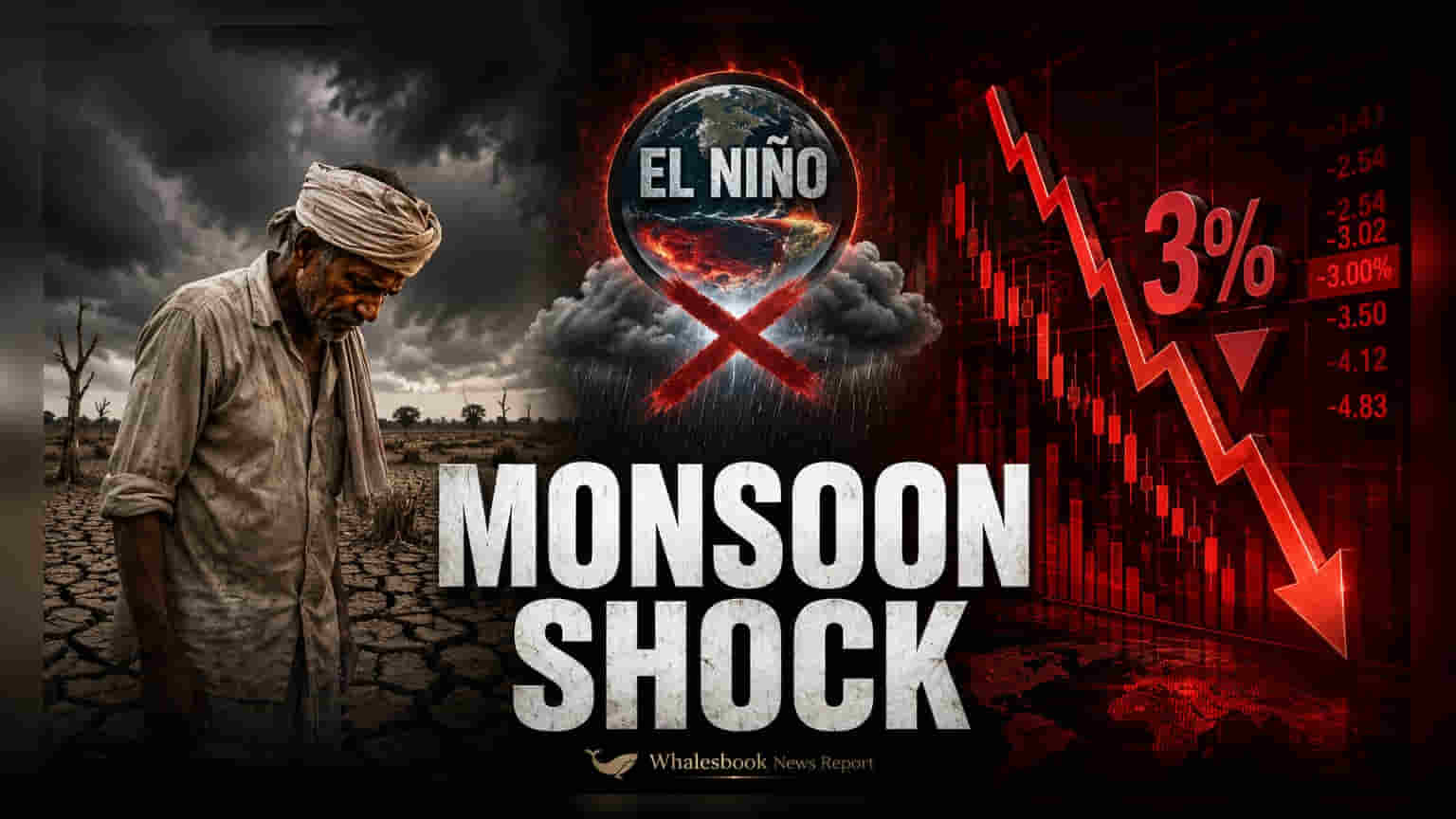


The Valuation Sensitivity to Rainfall
The market’s immediate reaction to the India Meteorological Department’s downward revision reflects a heightened sensitivity to climatic volatility. While equity valuations for firms like Fertilizers and Chemicals Travancore (FACT) and Kaveri Seed had been buoyed by optimistic pre-season sowing estimates, the recalibration to a 90% long-term average (LTA) forecast introduces significant margin compression risks. Investors are aggressively repricing these assets as the likelihood of El Niño—a phenomenon historically correlated with sub-par precipitation and subsequent rural economic contraction—moves from a tail risk to a base-case scenario for the upcoming kharif season.
The Systematic Impact on Input Providers
Unlike urban-centric consumer sectors, the agricultural input industry faces a dual-pronged headwind. Decreased rainfall directly correlates with lower cultivated acreage, which triggers an immediate contraction in fertilizer offtake volumes. Furthermore, as agricultural yield expectations soften, the propensity for farmers to invest in high-cost, high-yield seed varieties diminishes. Data from previous sub-normal monsoon cycles suggests that manufacturers often face elevated inventory levels and rising logistical costs, which inevitably weigh on operating margins. While firms like Escorts Kubota offer some diversification through mechanical efficiency products, the broader sector remains tethered to the health of the rural wallet, which is currently bracing for potential inflationary pressure on essential food items.
The Forensic Bear Case
The structural vulnerability of these companies is tied to their inability to pass on costs when rural demand is suppressed. Historically, when monsoon rainfall falls below the 90% threshold, firms in the fertilizer space—specifically state-linked entities like Rashtriya Chemicals & Fertilizers and National Fertilizers Ltd—struggle with subsidy delays and increased working capital cycles. These companies operate with thin net profit margins, meaning even minor fluctuations in input demand result in outsized earnings volatility. Moreover, the reliance on seasonal peaks makes these stocks particularly ill-suited for portfolios seeking defensive positioning during meteorological uncertainty. Regulatory pressure to maintain food security often prevents price hikes in fertilizer, leaving manufacturers to absorb the brunt of rising global commodity costs while simultaneously facing a shrunken domestic revenue base.
Strategic Outlook and Market Sentiment
The prevailing consensus suggests that until the monsoon establishes a consistent distribution pattern across central and northwestern India, liquidity will likely remain thin in the agricultural sector. Institutional focus is shifting toward firms with stronger balance sheets and diversified revenue streams that are less dependent on immediate kharif success. Should the El Niño effect intensify, expectations for rural-focused discretionary spend are likely to undergo further downward revisions, potentially triggering more aggressive institutional divestment from the sector throughout the third quarter.