 Whalesbook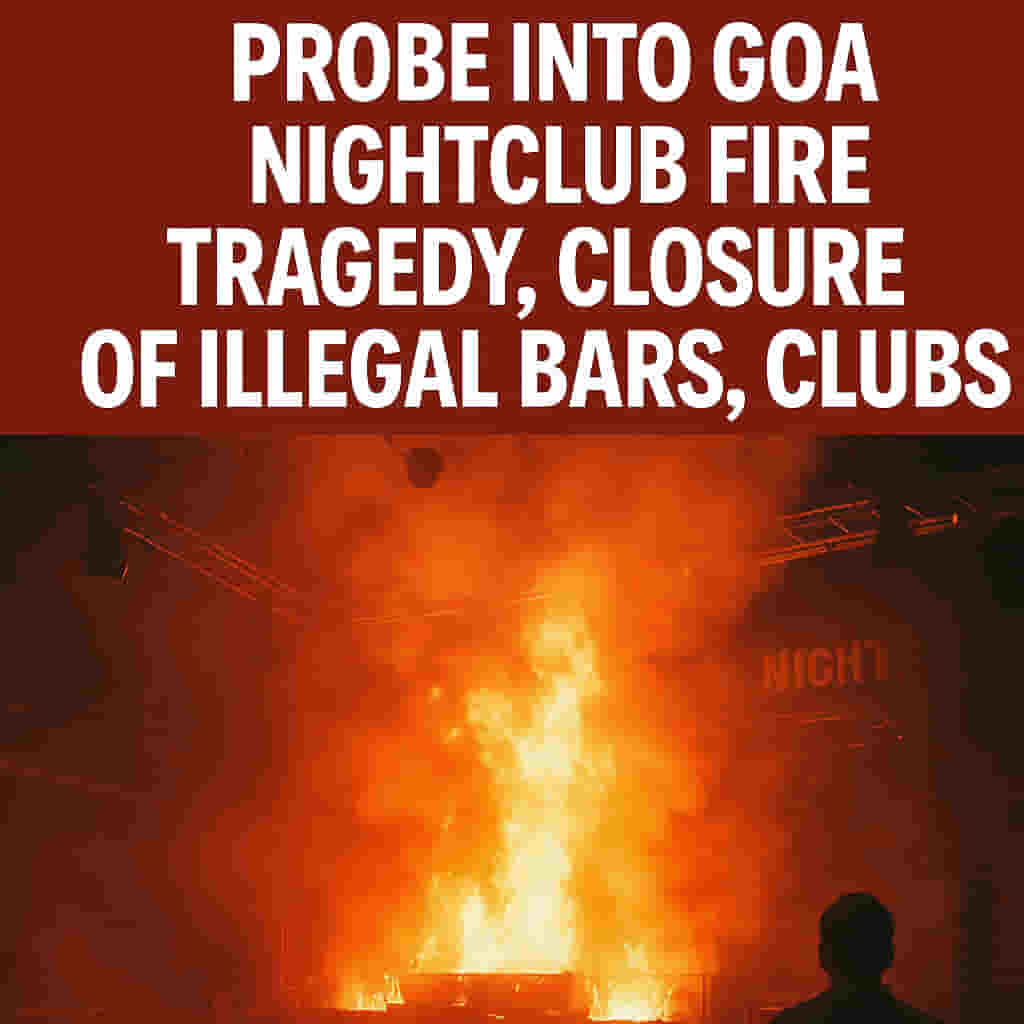
A critical public interest litigation (PIL) has been filed before the Bombay High Court at Goa, calling for a court-monitored investigation into the devastating fire at the 'Birch by Romeo Lane' nightclub in Arpora, North Goa.
The incident, which occurred late on December 6, resulted in the tragic deaths of at least 25 people, primarily workers. Preliminary reports indicate the fire originated in the basement and rapidly spread to the bar and restaurant areas on the first floor. Most victims were reportedly recovered from the kitchen, suggesting they were trapped with no viable escape routes.
Allegations of Neglect and Illegality
- The petition, filed by social activist Aishwarya Salgaonkar, highlights severe operational and safety breaches.
- It claims the nightclub was functioning without a valid construction licence and despite facing multiple demolition orders.
- This points to a significant failure by municipal, panchayat, and district authorities in enforcing basic statutory requirements meant to protect public life.
Hindered Emergency Response
- A crucial aspect raised is the narrow, single-lane approach road to the nightclub.
- This restricted fire brigades to a halt nearly 400 metres away, a direct violation of National Building Code norms which mandate a six-metre-wide access for emergency vehicles.
- The inadequate access effectively made timely fire-fighting operations impossible.
Systemic Failures Exposed
- The Chief Minister of Goa, Pramod Sawant, reportedly acknowledged publicly that the nightclub did not adhere to fire-safety norms, had congested doors, and lacked proper ventilation, contributing to the fatalities from suffocation.
- The petition draws parallels to another tragedy on May 3, 2025, a stampede at the Lairai Jatra temple which killed seven people, attributed to poor crowd management and inadequate safety measures.
- These incidents, according to the petitioner, reveal a disturbing pattern of illegal constructions, disregard for building codes, lack of fire-safety audits, poor police preparedness, and violations of disaster management laws.
Demands for Action
- The petitioner argues that without High Court intervention, illegal commercial establishments and unregulated mass gatherings will continue to pose risks.
- The plea states the State has failed to implement meaningful safety reforms, enforce licensing, or conduct routine inspections.
- The petition seeks a judicial commission, headed by a retired High Court judge, to investigate crowd management failures and administrative negligence.
- It also calls for a statewide fire-safety audit of all public assembly buildings, including nightclubs, hotels, and bars, with a mandate to close or demolish non-compliant establishments.
Impact
- This news highlights potential systemic issues in regulatory enforcement and public safety in Goa's tourism sector. Stricter enforcement of safety norms could impact hospitality and entertainment businesses. The legal proceedings may lead to significant policy changes regarding licensing and safety audits for public venues across the state and potentially other Indian states.
- Impact rating: 7/10
Difficult Terms Explained
- Public Interest Litigation (PIL): A legal action taken to bring matters of public importance or public interest to the attention of the courts, often filed by citizens or social activists.
- National Building Code: A comprehensive set of guidelines and standards for building construction and safety in India.
- Fire-safety norms: Regulations and practices designed to prevent fires and protect people in case of a fire.
- Suffocation: Dying due to lack of air or oxygen.
- Judicial Commission: A group appointed by the court to investigate a specific matter.
- Statutory Requirements: Rules or obligations imposed by law.
- Disaster Management Act, 2005: An Indian law enacted to provide for the effective management of disasters and related matters.