

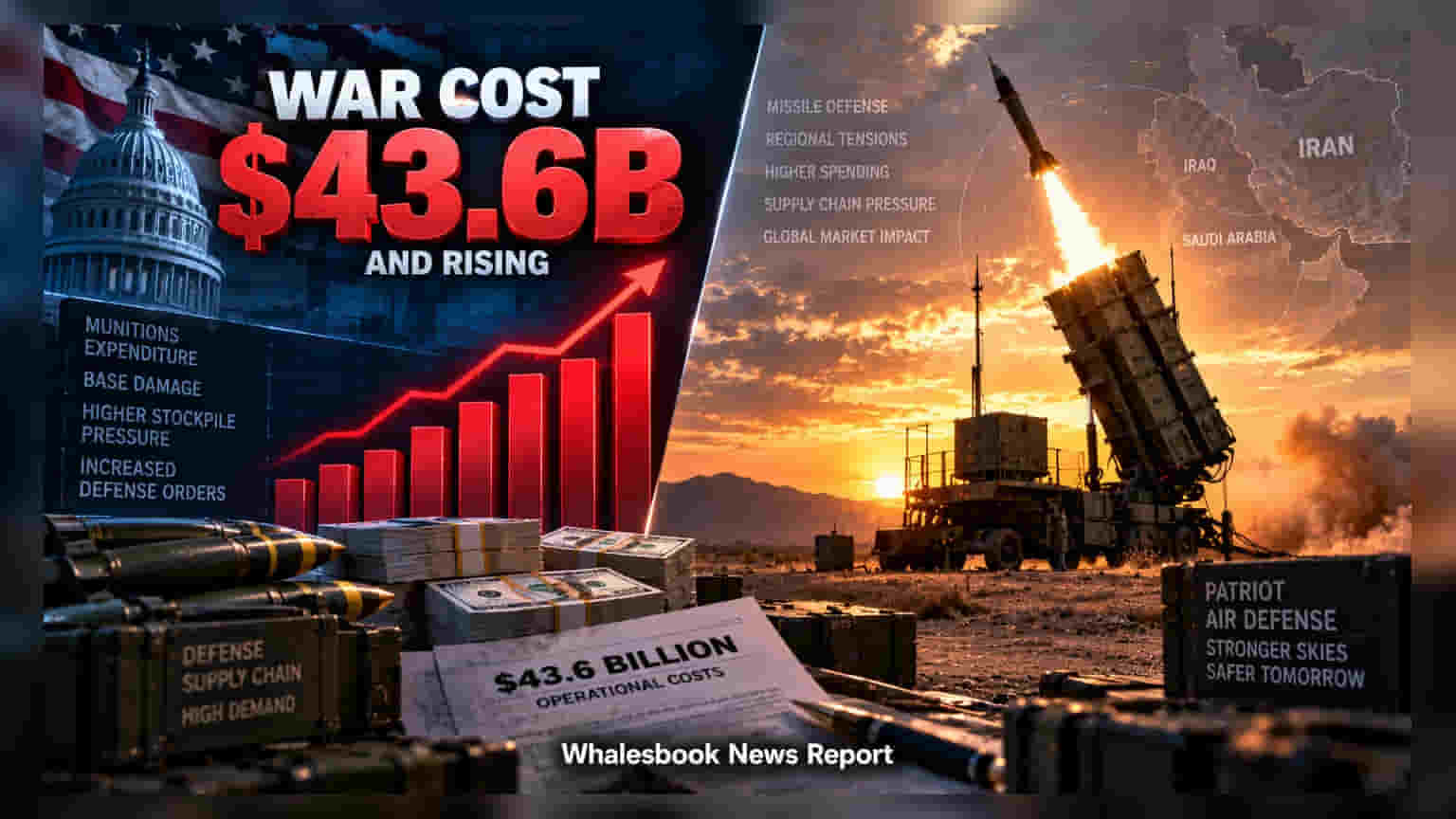
The cost of US military engagement against Iran has reached $43.6 billion as of September 3, 2026, driven by a rapid surge in munitions usage. The intense depletion of defensive missile interceptors has created significant supply chain strain, potentially impacting defense procurement and regional security infrastructure.
The financial toll of the US-led military engagement involving Iran has reached $43.6 billion as of early September 2026, according to official assessments submitted to US lawmakers. This figure marks a sharp rise from previous estimates and highlights a sustained operational cost of approximately $3 billion each month, a pace that fluctuates depending on the intensity of active operations.
Surge in Munitions Expenditures
A critical factor behind this spending spike is the rapid consumption of high-end weaponry. Expenditures specifically for munitions rose to $28.1 billion, climbing from $21.7 billion just a month prior. This $6 billion increase is largely tied to the heavy reliance on defensive missile interceptors associated with the Patriot and THAAD missile systems. The high operational tempo has placed severe pressure on existing stockpiles, with NATO officials noting that inventory levels for these specific defensive systems have dropped beyond critical thresholds.
Supply Chain and Infrastructure Impact
For investors and global market watchers, the current situation highlights a significant bottleneck in defense production capabilities. As demand for defensive hardware outpaces manufacturing capacity, regional allies such as Saudi Arabia are reportedly seeking emergency replenishment from Western suppliers. This imbalance between supply and demand suggests a potential period of accelerated government spending and long-term order books for major defense contractors involved in the production of these missile defense systems.
Beyond the financial impact on defense budgets, the conflict has resulted in material damage to military infrastructure across major US bases in countries including Kuwait, Bahrain, Qatar, Saudi Arabia, the United Arab Emirates, Iraq, Oman, and Jordan. According to reports from the Pentagon inspector general, hundreds of structures have been damaged or destroyed by ballistic missile and drone strikes.
Sector Implications
Investors tracking the aerospace and defense sector should monitor how these supply chain constraints affect government procurement policies and future production timelines for high-end interceptors. With US military infrastructure under ongoing pressure and regional partners requesting hardware, the defense sector may experience sustained volatility regarding contract execution and raw material availability. Furthermore, the persistent conflict continues to generate uncertainty in global oil markets, which remains a factor for energy-dependent economies. The next important update for market participants will be whether the US government initiates faster-track approvals or increased capital spending to address the depletion of key defense inventories.