

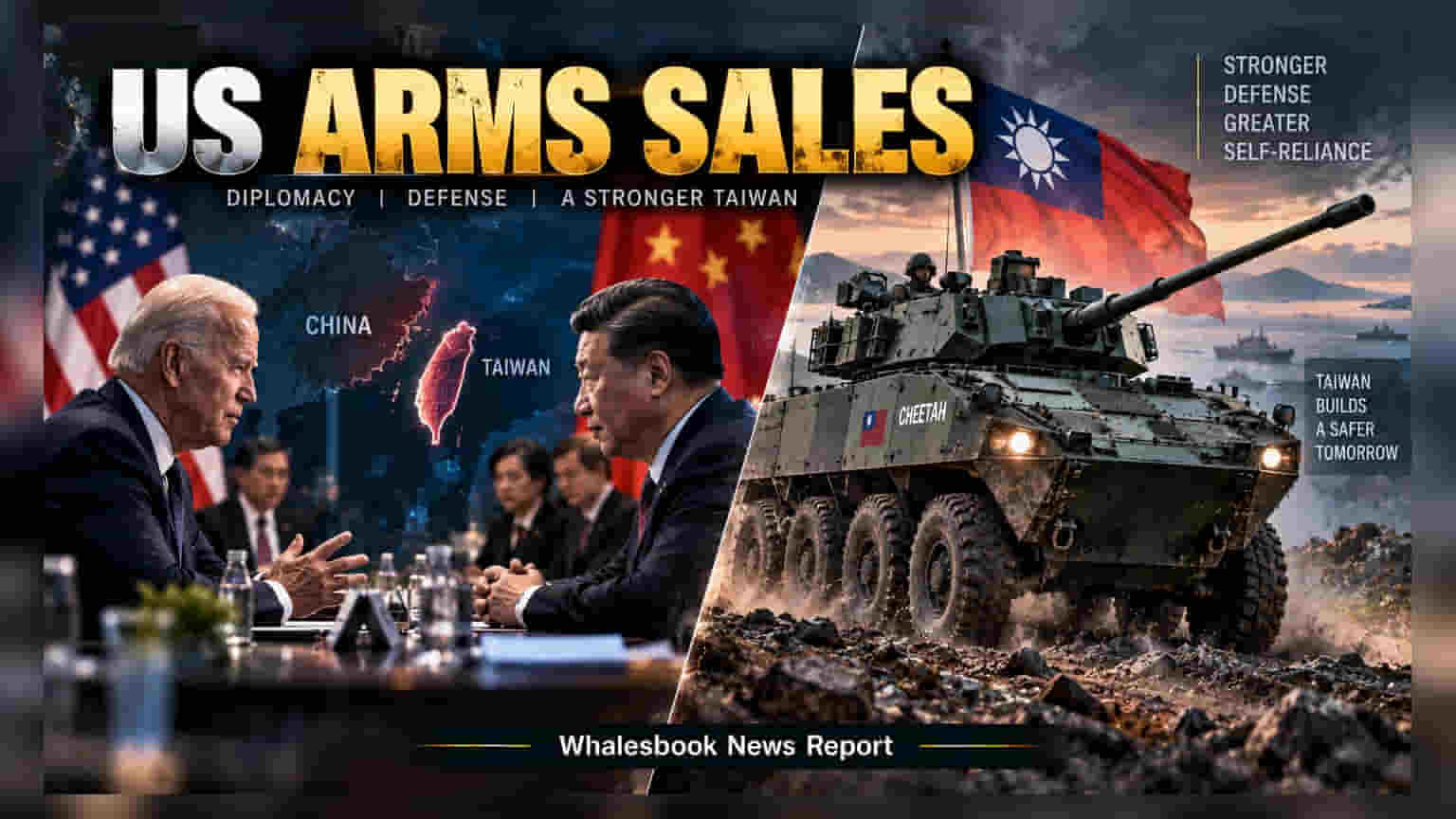
Taiwan is increasing its defense budget to 5% of GDP by 2030, aiming to reduce reliance on foreign suppliers. Alongside expected US arms imports, the government is prioritizing local production of hardware like the new Cheetah armored vehicle to strengthen domestic security architecture.
Taiwan is accelerating its strategy to reduce dependence on external military suppliers by expanding its domestic defense manufacturing capabilities. While the island remains in negotiations for continued hardware supplies from the United States, official plans show a clear push toward building sovereign defense infrastructure to meet security requirements.
The government has outlined aggressive fiscal targets to support this transition. Defense spending is projected to reach over 3% of the gross domestic product by 2027, with a long-term goal of 5% by 2030. This level of capital allocation signals a shift in the region's defense market, moving from a primary focus on importing technology to developing a self-sustaining industrial base.
A key milestone in this self-reliance strategy is the recent testing of the Cheetah, an eight-wheeled armored vehicle developed and built within Taiwan. This vehicle features a 105-millimetre cannon and is designed for high mobility across various terrains, including urban environments. The successful field trials of such hardware serve as a practical demonstration of the local defense industry's growing technical capacity.
For investors and market analysts, this trend reflects a broader global movement toward defense indigenization. Similar strategies are visible in other markets, such as India’s ongoing push for self-reliance in defense manufacturing, often known as Atmanirbhar Bharat. When nations prioritize domestic production, it creates opportunities for local engineering and manufacturing companies, though it also changes the revenue model for traditional international exporters of defense equipment.
However, this shift toward massive domestic manufacturing carries inherent business risks. Achieving such high defense spending as a percentage of GDP can put significant pressure on public finances. Furthermore, shifting from an import-based model to an indigenous production model involves high execution risks, including the potential for technical delays, cost overruns, and the challenge of scaling up manufacturing to meet rapid deployment timelines.
The critical factors to monitor in the coming years will be the government's ability to maintain these high budgetary allocations without disrupting other sectors, and the speed at which local manufacturers can move from successful prototypes like the Cheetah to mass production. Investors in the defense sector may also track whether these domestic programs eventually reduce the reliance on US-supplied hardware or if the two procurement streams will continue to run in parallel.