

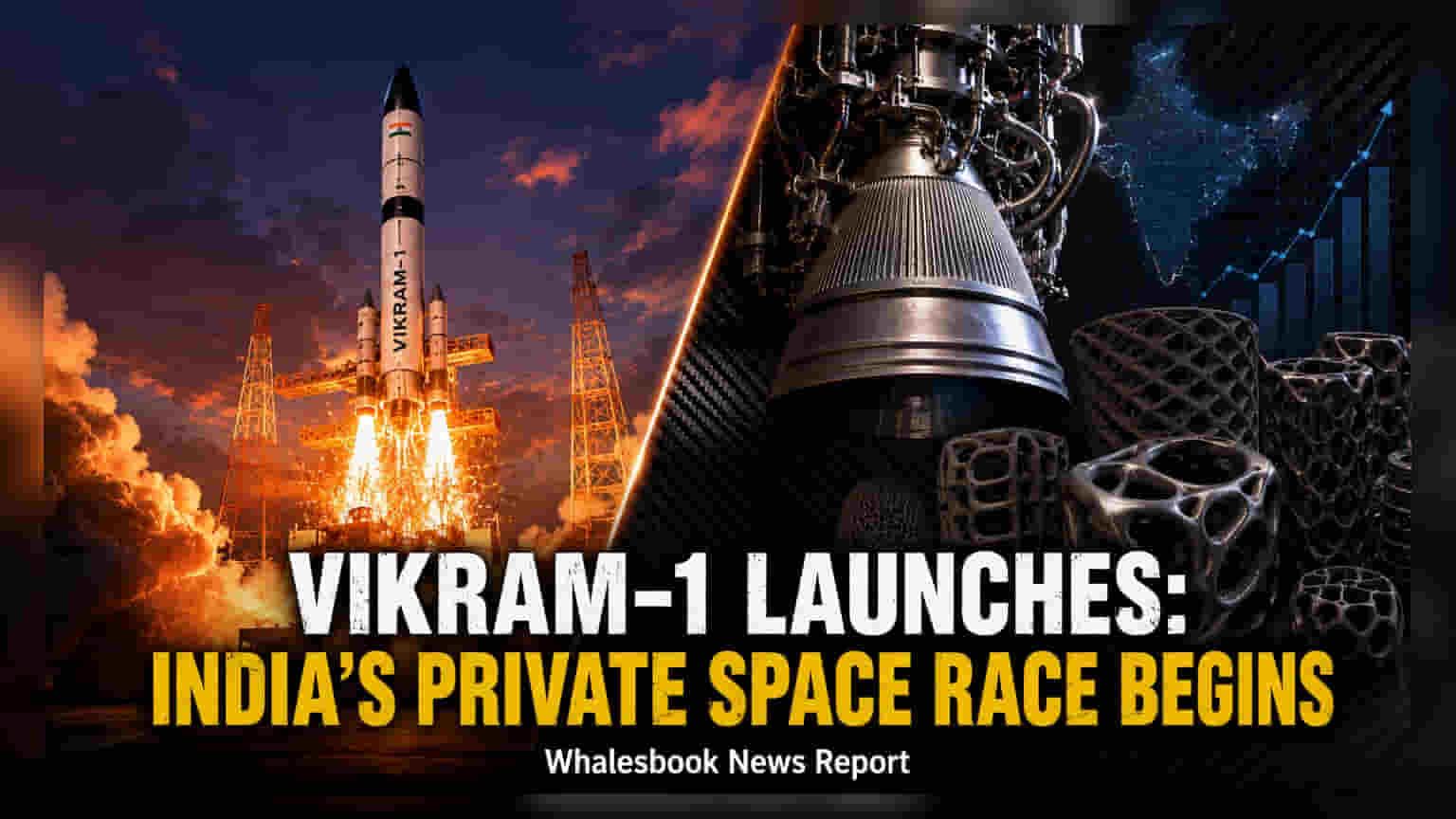
Skyroot Aerospace successfully launched Vikram-1, India's first privately built orbital-class rocket, from the Satish Dhawan Space Centre on July 18, 2026. This mission demonstrates the company's progress in using carbon composite structures and 3D-printed engine technology. The event marks a transition for the Indian private space industry from manufacturing components to launching complete orbital vehicles.
Skyroot Aerospace achieved a major operational milestone today with the successful launch of its Vikram-1 rocket from the Satish Dhawan Space Centre in Sriharikota. This mission, named 'Aagaman,' marks the first time an Indian private company has launched an orbital-class vehicle, signaling a shift in the country's space sector capabilities.
Advancements in Rocket Technology
The Vikram-1 vehicle showcases two primary engineering innovations that differentiate it from traditional launch vehicles. First, the rocket uses a carbon composite structure for its first stage, which provides a significantly better strength-to-weight ratio compared to conventional steel-based materials. This reduction in vehicle mass is crucial for increasing the payload capacity for future commercial missions.
Second, the vehicle utilizes a fully 3D-printed liquid engine for its Orbital Adjustment Module. This manufacturing process typically reduces the number of components and assembly time required for complex engine systems. By proving these technologies in a flight environment, the company aims to establish a repeatable and cost-effective model for small satellite launches.
Impact on the Indian Space Ecosystem
For years, the Indian private space sector was largely concentrated on supplying individual components, sensors, or software subsystems to established agencies like ISRO. The successful flight of Vikram-1 demonstrates that private entities can now manage the entire life cycle of a launch, including design, manufacturing, and mission operations. This maturity in the domestic supply chain may encourage more international and domestic satellite operators to consider Indian private launch providers for their future requirements.
Investors tracking the space sector should note that while this launch is a technical success, the path to commercial profitability will depend on the frequency of future launches and the company’s ability to secure long-term contracts from satellite operators. The market will likely observe how quickly Skyroot can transition from this demonstration mission to a regular commercial launch cadence, which is necessary to balance the high capital expenditure associated with aerospace research and development.
Future updates from the company will likely focus on the commercial order book and the timeline for subsequent launches. Monitoring the competitive landscape will also be important, as other private startups in India are also working on their own launch vehicle programs.