 Whalesbook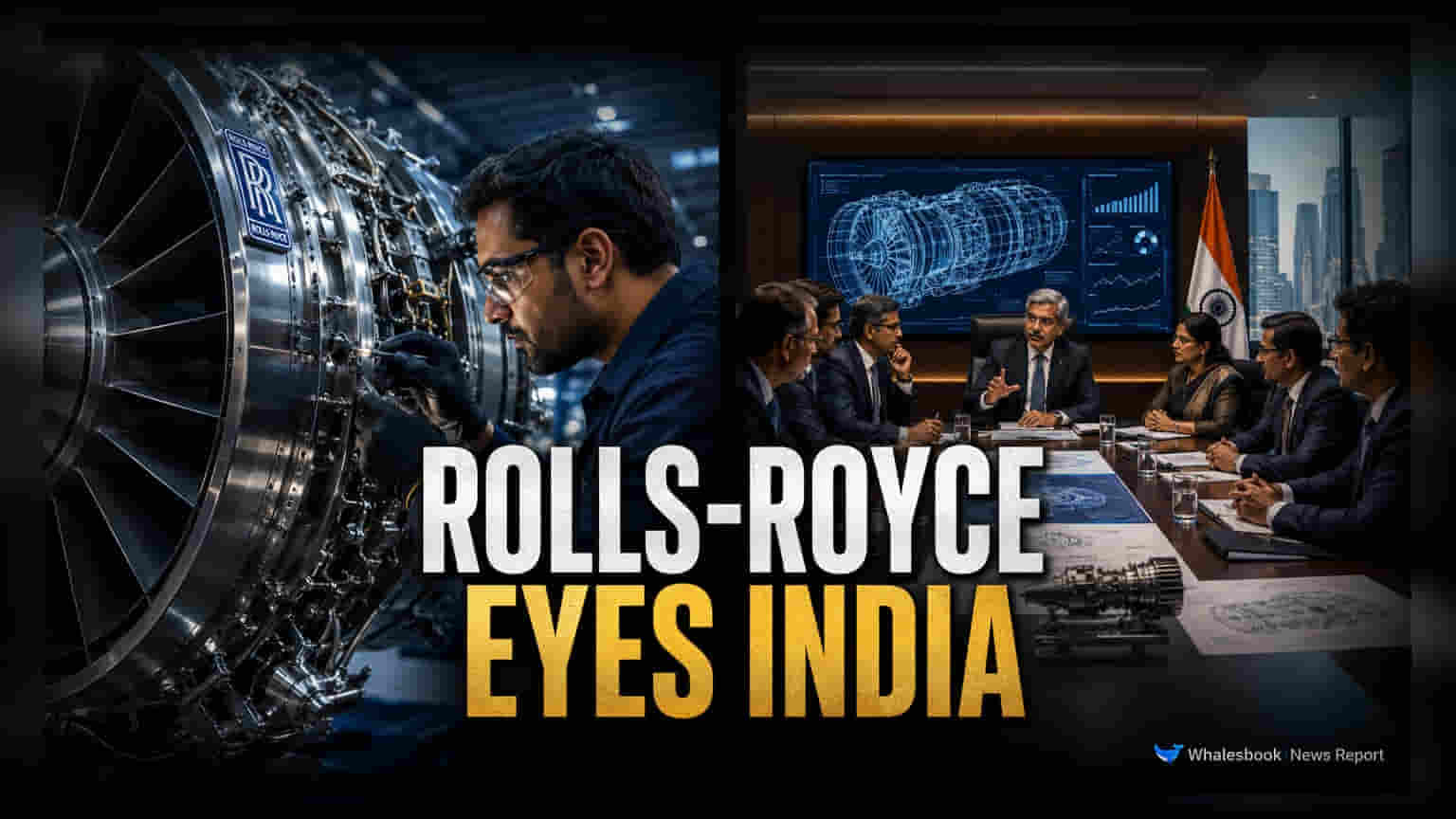


Beyond the Engine Supplier Narrative
Rolls-Royce is pivotally shifting its India strategy, moving beyond the transactional model of selling aerospace hardware toward deep-rooted industrial integration. With a strategy championed by CEO Tufan Erginbilgiç to elevate India to the company's fourth "home market"—joining the UK, US, and Germany—the engineering giant is leveraging current geopolitical tailwinds to secure its foothold in the subcontinent. This initiative is heavily underpinned by the rapid expansion of India's commercial aviation sector, specifically the 100-plus Airbus A350 engines currently on order by local carriers, which necessitates an localized maintenance, repair, and overhaul (MRO) infrastructure to minimize operational downtime.
The Strategic Pivot: Indigenous Defense & Nuclear
While the MRO proposal addresses immediate aftermarket needs, the centerpiece of the company's long-term play is the offer to establish an aero gas turbine complex. By promising comprehensive technology transfer, Rolls-Royce is positioning itself as a primary partner for India’s Advanced Medium Combat Aircraft (AMCA) program. This move is calculated to counter competitive bids from peers such as France’s Safran, which has also been aggressive in offering modular, upgradable engine architectures to meet India’s sovereignty requirements. Furthermore, the 2025 Shanti Act has opened the previously insulated nuclear sector to private players, prompting Rolls-Royce to investigate the deployment of its Small Modular Reactors (SMRs). This sector, now cleared for foreign participation, represents a massive potential growth vertical for the company’s Power Systems division.
The Valuation Gap and Operational Risks
Investors currently pricing Rolls-Royce shares at a forward P/E ratio of roughly 19x are betting on the sustainability of the company's recent turnaround. While the recovery in civil aviation flying hours has driven massive free cash flow, the company faces inherent risks associated with its India-centric ambition. Execution of an aero gas turbine complex involves significant capital commitment and complex technology sharing agreements that are prone to regulatory and geopolitical friction. Moreover, the company remains subject to global supply chain pressures that have historically delayed engine deliveries and impacted service revenue. Unlike more diversified conglomerates, Rolls-Royce’s reliance on long-term service agreements (LTSAs) in the aviation sector creates a cyclical risk; if global wide-body demand softens, the high-margin aftermarket growth currently powering the stock price could contract rapidly.
Future Outlook and Competitive Landscape
Market sentiment regarding the India expansion remains cautiously optimistic, with analysts monitoring the company’s ability to navigate the complex landscape of Indian defense procurement. The long-term viability of the SMR and fighter engine programs depends heavily on the firm’s capacity to maintain its 'A-' credit rating while balancing a multi-billion dollar share buyback program. If the company successfully integrates its local operations into the broader global supply chain, it may create a defensive moat against future international delivery delays, positioning itself as a leader in India’s burgeoning 'Atmanirbhar Bharat' (Self-Reliant India) industrial ecosystem.