

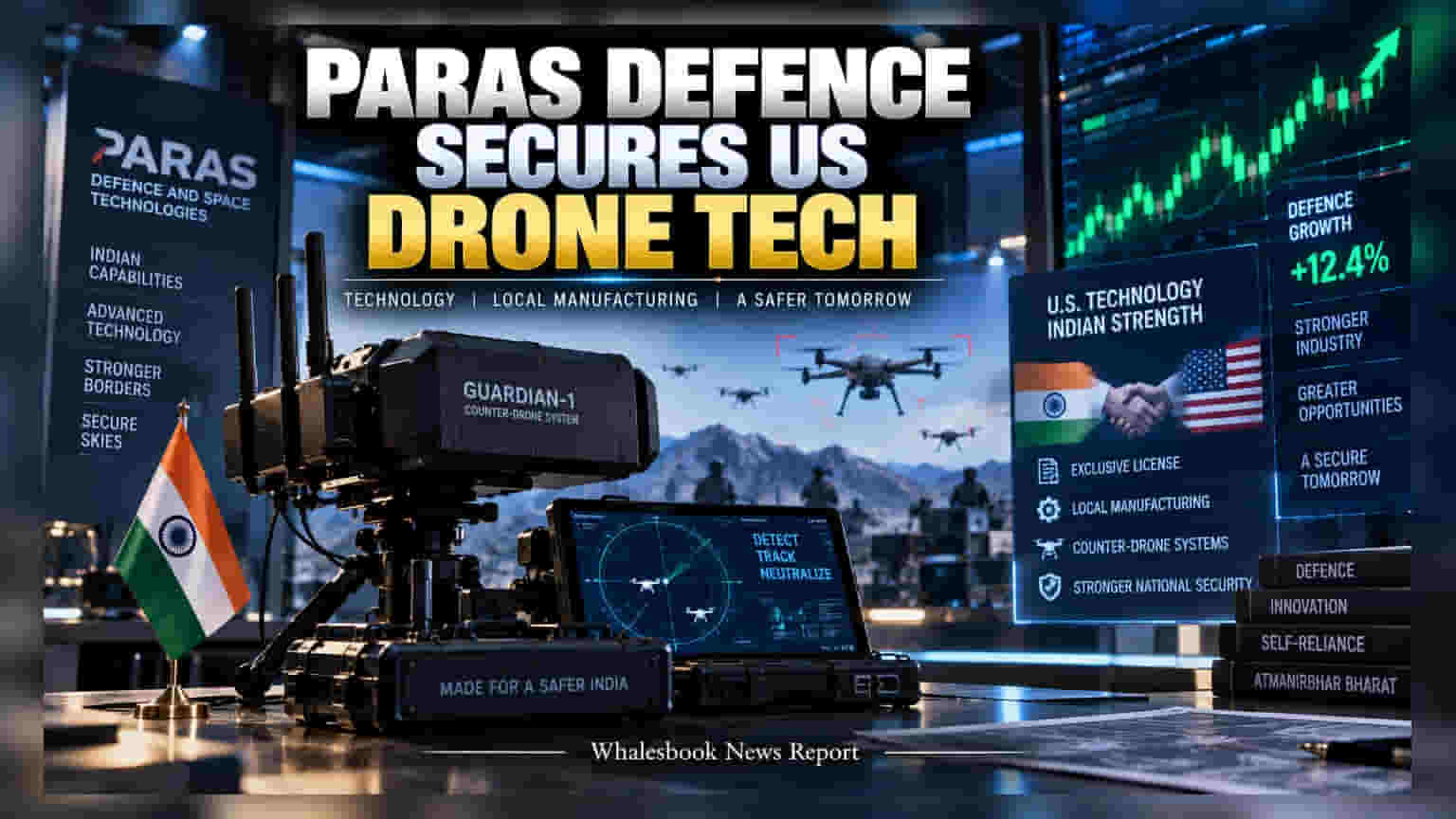
Paras Defence and Space Technologies has signed a licensing agreement to manufacture Guardian-1 counter-drone systems in India. The deal enables local production of defense technology, though the company faces investor attention regarding its separate agreement with the Pakistan Army and the ownership structure of its US-based partner.
Paras Defence and Space Technologies has entered into an intellectual property licensing agreement with Tandem Defense LLC, a subsidiary of the US-based Autonomous Power Corporation. The contract grants the Indian firm exclusive rights to manufacture and market the Guardian-1 counter-drone system within the domestic market. This agreement functions as a technology-licensing arrangement rather than a direct procurement order from the Indian armed forces, focusing on local production capabilities.
Under the terms of the deal, Paras Defence will produce these high-speed, battery-powered platforms designed to neutralize low-cost aerial threats. The contract is set for an initial 12-month term, with provisions for renewal based on mutual consent. The financial structure of the partnership includes a fixed license fee combined with a profit-sharing mechanism derived from domestic sales.
Investors tracking this development should note the corporate context surrounding the US developer, Autonomous Power Corporation, which is currently moving toward a merger with the Nasdaq-listed Aureus Greenway Holdings. The transaction, expected to conclude in October, will result in the formation of a new entity, Powerus Corporation. Shareholders of the original organization are expected to retain an 83 percent stake in the combined firm.
Certain aspects of this deal have drawn public scrutiny. Reports have highlighted the involvement of an investment fund, American Ventures, which has ties to family members of former US President Donald Trump, in the acquiring firm. While company executives have stated that these investors are passive and hold no operational influence over contract negotiations, the connection remains a point of discussion for stakeholders.
Furthermore, Paras Defence has disclosed a separate agreement involving an order and memorandum of understanding with the Pakistan Army. For domestic investors, the simultaneous engagement with both Indian and Pakistani defense interests presents a complex situation. Shareholders may track how the company manages these international contracts and whether the nature of these engagements impacts its standing in future Indian defense-related projects or regulatory assessments. The primary monitorable for investors will be the company’s ability to execute on this new manufacturing license while navigating the scrutiny surrounding its broader international business relationships.