

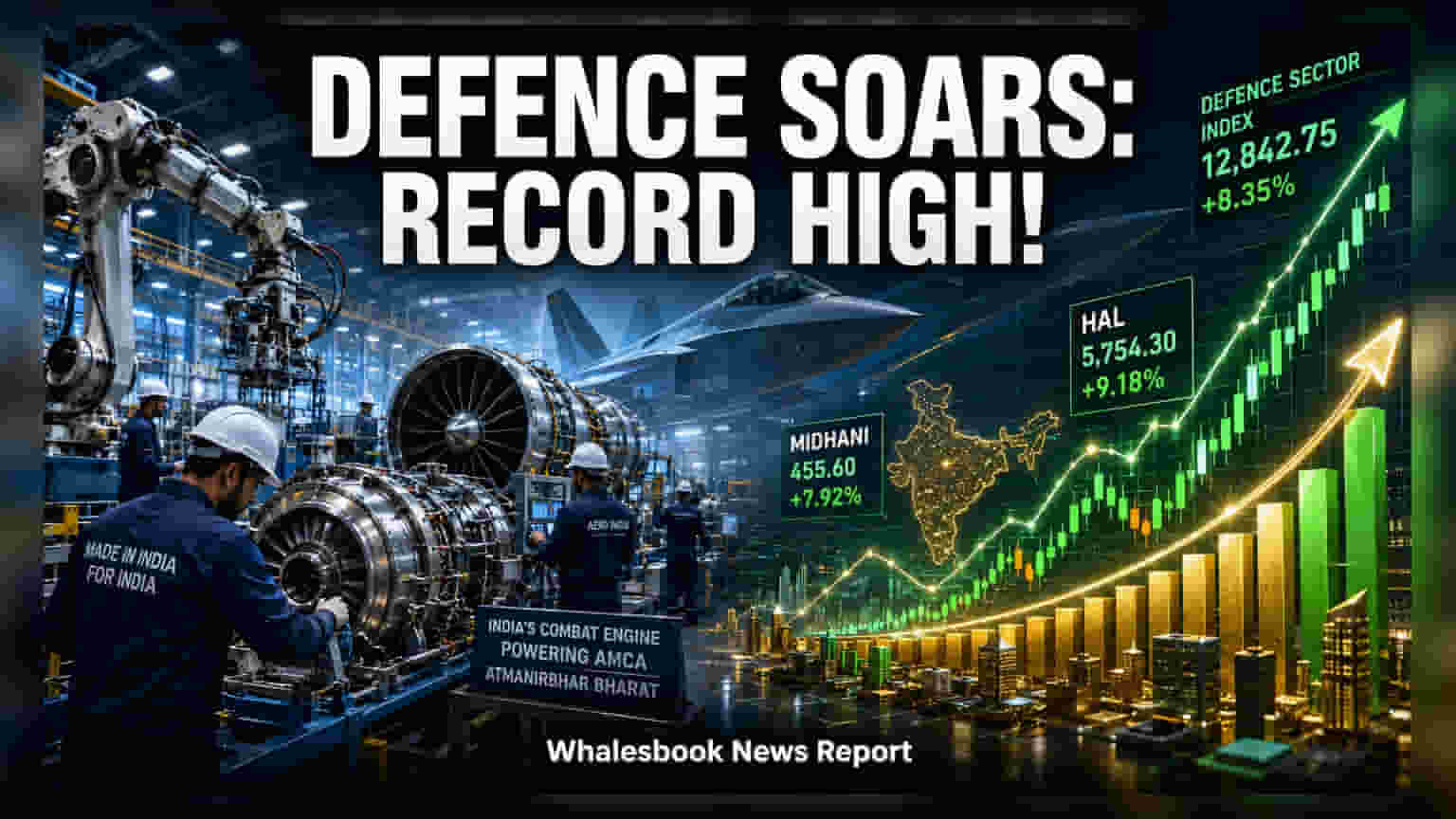
India’s Nifty Defence index reached an all-time high of 9,912.75 on August 17, 2026, following a strategic partnership intent between Reliance Industries and Rolls-Royce for the AMCA combat engine program. While the move supports long-term localization, the project involves complex technology and remains a statement of intent, with execution and timelines remaining key monitorables for investors.
The Nifty India Defence index climbed to a record peak of 9,912.75 on Monday, August 17, 2026. The market rally was largely driven by a major announcement made on August 14 regarding a strategic partnership between Reliance Industries and Rolls-Royce. The two companies intend to collaborate on the design, development, and manufacturing of an indigenous combat engine for India’s Advanced Medium Combat Aircraft (AMCA) program.
The partnership aims to establish an Aerospace Gas Turbine Complex in India. This facility is intended to foster end-to-end capabilities, including design and lifecycle support, within the country. This goal aligns with the government's 'Atmanirbhar Bharat' vision, which seeks to reduce India’s reliance on foreign technology for critical defence hardware. Reducing import dependency has been a long-standing priority, especially given previous challenges where international engine manufacturers, such as General Electric, reportedly requested significant price hikes that stalled negotiations.
While the market reacted positively, investors should understand the nature of this development. The announcement is a statement of strategic intent rather than a final, binding commercial contract. The development of fifth-generation fighter engines is a highly complex technical task. Similar projects globally have faced significant risks, including long-term timeline delays and cost overruns. Successfully localizing this technology requires not just a partnership, but also consistent capital spending and successful technology transfer, which will take time to materialize.
Market performance was mixed across the sector. Shares of companies linked to the defence supply chain, including Hindustan Aeronautics (HAL), BEML, and MIDHANI, saw gains of up to 5% in intraday trade. MIDHANI’s performance was specifically supported by recent approvals related to GE Aerospace components. However, shares of Reliance Industries itself traded slightly lower on the morning of August 17, showing that the market is weighing the long-term potential of the defence venture against the immediate financial impact of such large-scale capital-intensive projects.
Investors looking at the defence sector should keep a close watch on future updates. The primary items to track include the conversion of this 'strategic intent' into a finalized legal agreement, project timelines for the Aerospace Gas Turbine Complex, and any official government procurement targets for the AMCA engine. Additionally, because the sector is highly sensitive to geopolitical changes and government procurement policies, any shifts in these areas could impact the revenue and profit margins of the companies involved.