

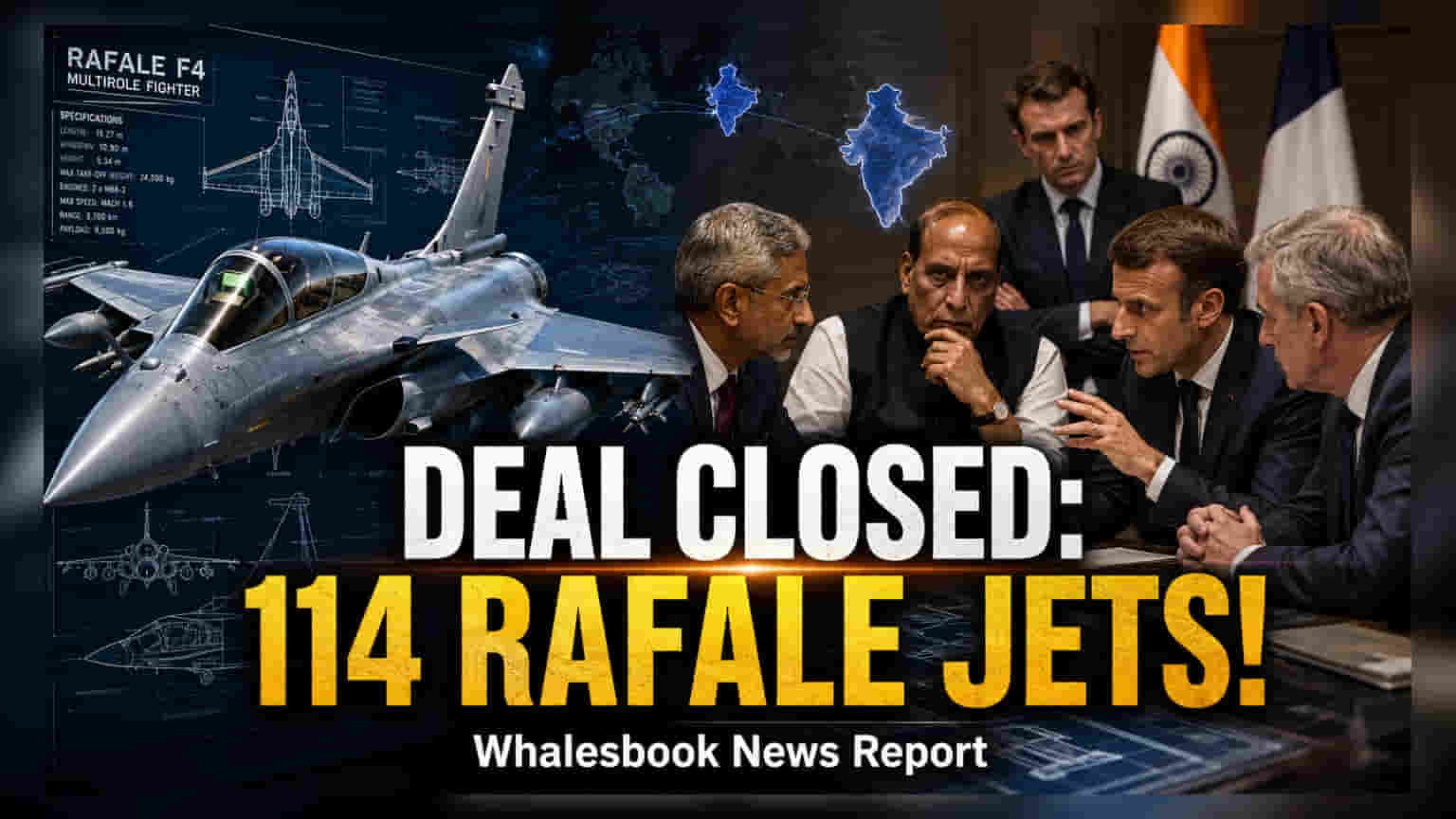
France has formally offered to supply 114 Rafale jets to India in a deal estimated at ₹3.25 lakh crore. The proposal prioritizes local manufacturing for 94 aircraft, marking a significant step for the 'Make in India' initiative in the defense sector while addressing the Indian Air Force's need to bridge the gap in squadron strength.
France has formally submitted a detailed technical and commercial proposal to India for the acquisition of 114 Rafale multi-role combat aircraft. The deal, valued at approximately ₹3.25 lakh crore, marks a pivotal moment for India’s defense procurement strategy. Unlike previous agreements where aircraft were purchased in 'fly-away' condition, this proposal centers on a massive indigenization plan.
The Shift Toward Local Manufacturing
Under the new proposal, the plan is to manufacture 94 of the 114 jets within India. This requirement is designed to boost domestic aerospace manufacturing capabilities. Dassault Aviation, the French manufacturer, is expected to collaborate with key Indian industry players. While formal partnerships are part of the ongoing negotiation process, companies such as Tata and Larsen & Toubro have been consistently linked to India's growing defense manufacturing ecosystem. The deal also involves French industry leaders like MBDA, Safran, and Thales, who are essential for the supply of advanced weapon systems, engines, and radar technology.
Strategic Need for the Indian Air Force
The primary driver for this acquisition is the Indian Air Force’s (IAF) requirement to bolster its operational readiness. Currently, the IAF operates 32 fighter squadrons against an authorized requirement of 40 to manage a two-front security scenario effectively. While the acquisition is intended to address this shortage, the timeline for induction remains a long-term prospect, with deliveries expected to commence only between 2029 and 2030. This extended timeline reflects the complexity of building a high-tech manufacturing line in India from the ground up.
Negotiations and Hurdles
While the proposal is a major step forward, several hurdles remain before the deal can be finalized. The Indian Ministry of Defence is currently scrutinizing the offer, specifically focusing on the integration of indigenous systems. A key point of negotiation is the access to source codes, which India requires to independently integrate domestic weapons like the Astra air-to-air missile onto the Rafale platform. Additionally, the proposal requires approval from the Cabinet Committee on Security. The scale of the investment, combined with the technology transfer requirements, means that commercial and technical negotiations will likely be intense and protracted.
What Investors Should Monitor
For the Indian market, this deal represents a long-term development for the defense manufacturing sector. Investors should note that defense contracts of this magnitude are not quick revenue generators. They are capital-intensive, multi-year projects that involve long gestation periods. The key monitorable will be the progress in final contract negotiations, the clarity on technology transfer, and the specific role of domestic private sector partners. As the project moves from proposal to potential implementation, the focus will remain on whether the manufacturing timeline can be maintained without cost overruns or delays, which have historically been risks in large-scale defense procurement programs.