

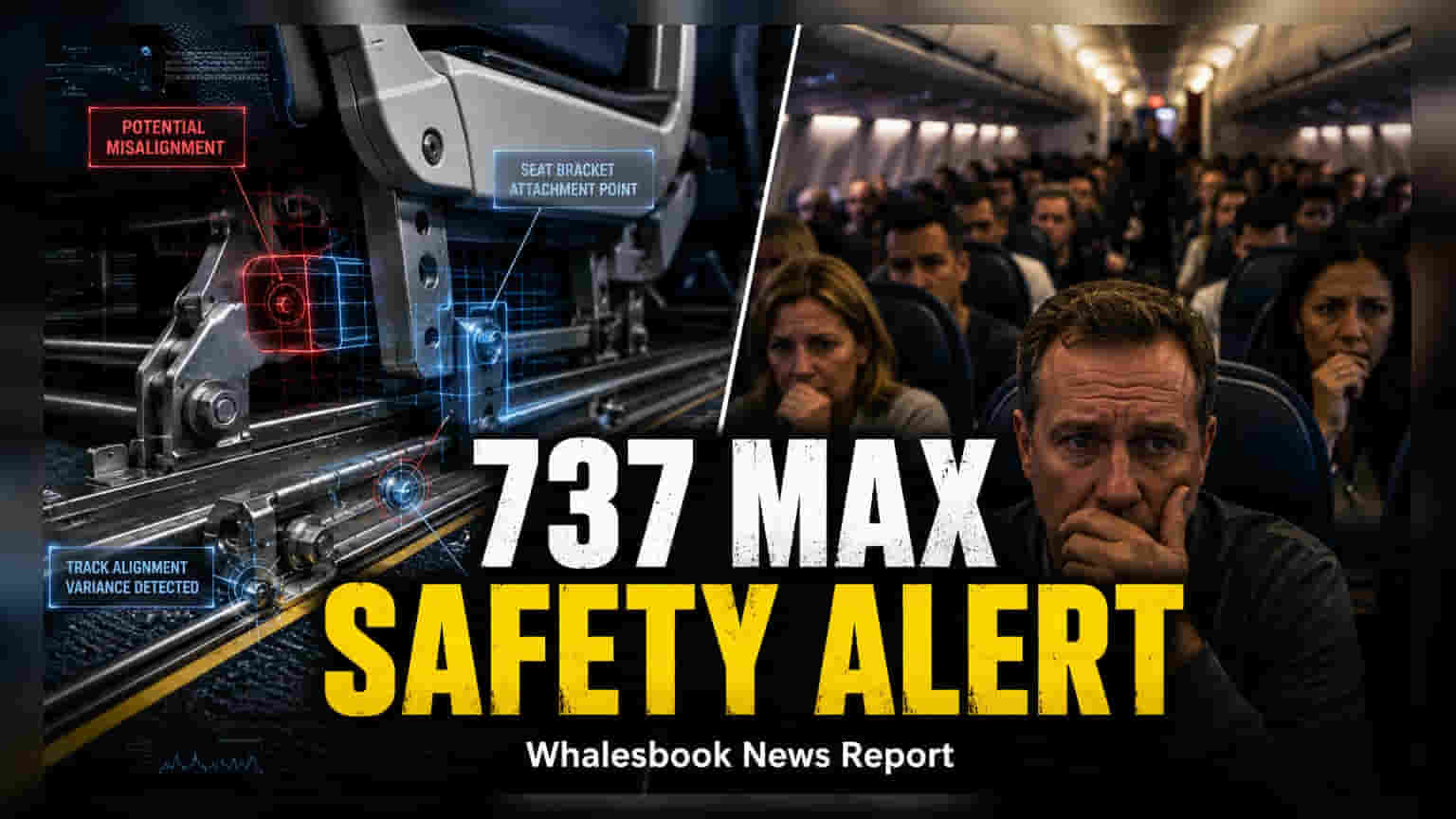
The US aviation regulator has proposed mandatory inspections for passenger seats on 453 Boeing 737 MAX aircraft. Incorrect seat installation could pose injury risks during emergency landings or block escape paths. Boeing has already issued guidance to airlines on the matter and is cooperating with the directive as it works to improve production quality.
Detailed Coverage
The U.S. Federal Aviation Administration (FAA) has proposed a new safety directive requiring detailed inspections of passenger seat assemblies on 453 Boeing 737 MAX aircraft. This regulatory action follows concerns that seat components may have been installed incorrectly during the manufacturing process. The regulator noted that improperly secured seats could fail during emergency landings, leading to potential injuries for passengers and crew, or physically obstruct aisles and limit the speed of emergency evacuations.
Boeing had previously identified this issue and released service guidance to airline operators in December 2025. By turning this guidance into a mandatory inspection requirement, the FAA ensures that all domestic operators of the affected fleet must perform and verify these technical checks. Boeing has expressed its support for the move, aligning with its ongoing commitment to addressing production quality concerns.
This inspection mandate arrives as Boeing continues to navigate a challenging environment regarding its manufacturing standards. Following a high-profile structural incident involving an Alaska Air 737 MAX in early 2024, the company has been under intense regulatory scrutiny. These events have prompted the manufacturer to focus heavily on tightening quality control across its assembly lines, a process that is critical for regaining market and regulatory confidence in the 737 MAX platform.
For investors and market observers, this situation highlights the ongoing impact of Boeing’s production and quality-related challenges. While this specific inspection mandate is a corrective measure rather than a grounding of the fleet, it reflects the regulatory pressure the company faces as it attempts to stabilize production output. The cost and operational impact of these inspections will likely fall upon airline operators, though they serve as a reminder of the production-related headwinds the company is working to resolve.
The primary focus for the market in the coming months will remain on the progress of Boeing’s production quality initiatives and whether these measures lead to a sustained reduction in the need for such regulatory interventions. Investors should track future updates on production rates, the successful delivery of aircraft, and any further regulatory actions that could affect the company’s ability to meet its delivery targets.