

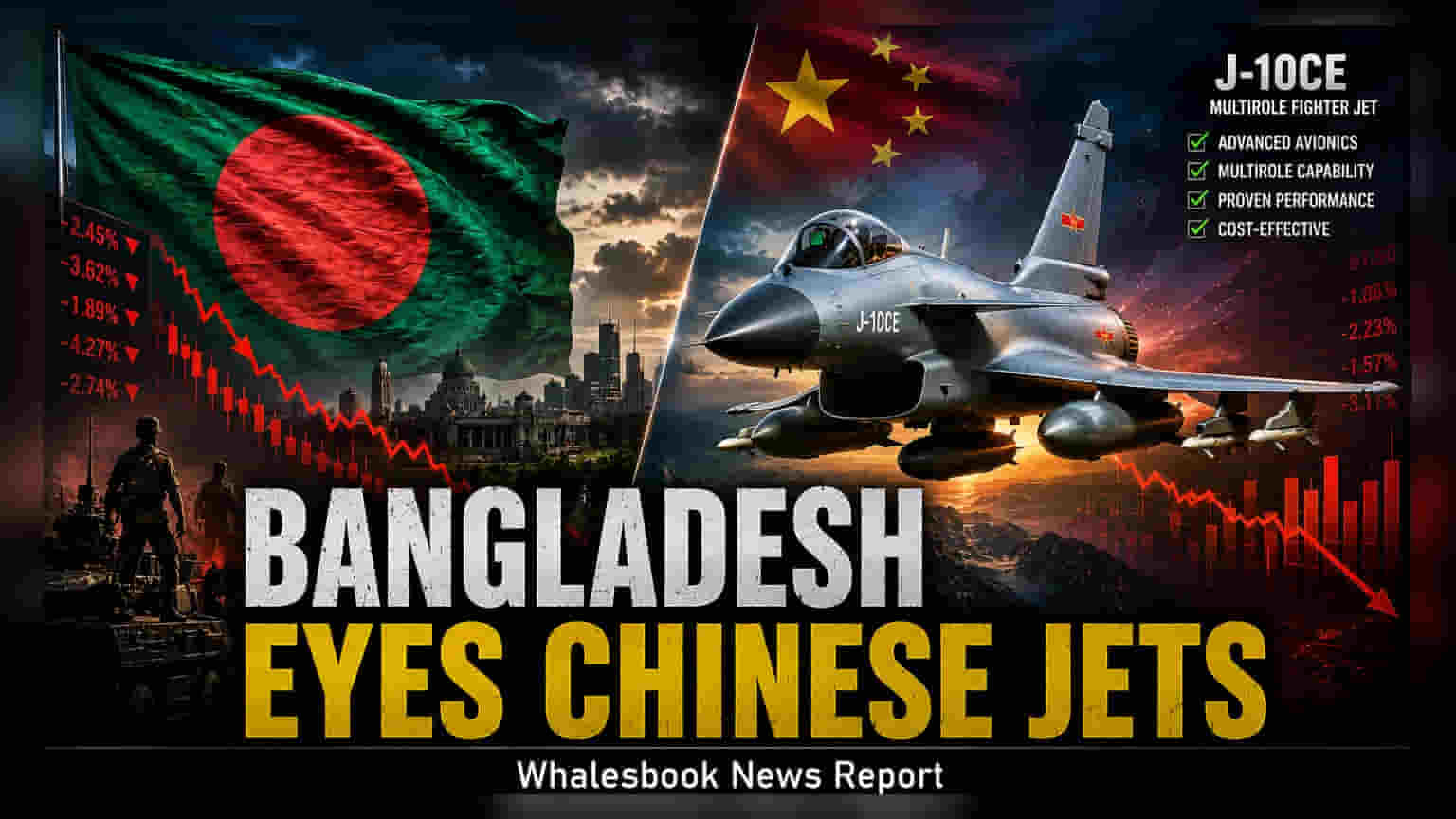
Bangladesh has moved to draft a proposal for purchasing 24 Chinese J-10CE fighter jets to modernize its air force. The potential deal is currently a proposal pending budget approval rather than a finalized contract. This development highlights evolving defense spending priorities in South Asia, a factor relevant to investors tracking regional defense industry trends.
The Bangladeshi government has formally initiated the process for a potential major defense acquisition, with a government panel preparing a draft agreement to negotiate the purchase of Chinese J-10CE multirole fighter jets and attack helicopters. The announcement was made on August 25, 2026, by Zahed Ur Rahman, the Prime Minister's Information and Broadcasting Adviser, signaling a potential shift in the country's military procurement strategy.
While the prospect of acquiring 24 jets has been reported, it is important for investors to note that no formal contract has been signed between the two nations. The deal remains in the draft stage and is contingent upon future budget allocations for the current or upcoming fiscal years. Past market reports have estimated a potential value of around $2.2 billion for a similar package of 20 aircraft, but the actual cost of this current proposal remains undisclosed and will be subject to the final terms of the negotiations.
Impact of Regional Defense Spending
For investors monitoring the aerospace and defense sector, this news highlights the ongoing trend of defense modernization across South Asian nations. The potential procurement of Chinese-made equipment, if finalized, would deepen Bangladesh's reliance on Chinese military hardware, which already includes naval vessels, combat aircraft, and missile systems.
From a financial and strategic perspective, this development underscores the significant capital outlay involved in modernizing air force fleets. Large-scale defense procurements of this nature often require substantial long-term fiscal commitment, which can impact a nation's broader economic health and liquidity. The ability of the government to balance such a large expenditure alongside other developmental spending will be a key factor for observers to track.
Risks and Execution Challenges
There are several hurdles that could affect the realization of this deal. The most immediate risk is the budgetary constraint. Without a concrete allocation of funds, the project remains speculative. Furthermore, moving from legacy platforms to a new Chinese-supplied ecosystem involves complex logistical challenges. This includes the need for new maintenance infrastructure, pilot training programs, and the integration of these jets into existing operations. Any failure to manage these costs or timelines could lead to project delays or budget overruns, which are common risks in large-scale defense modernization efforts.
Investors following the broader defense landscape may track the final outcome of these negotiations. The next important milestones will be the formal approval of the budget for this project and any subsequent official government statements confirming the final number of jets, the agreed pricing, and the delivery timeline. Until a firm contract is signed and funding is secured, the procurement remains a proposal under discussion.