

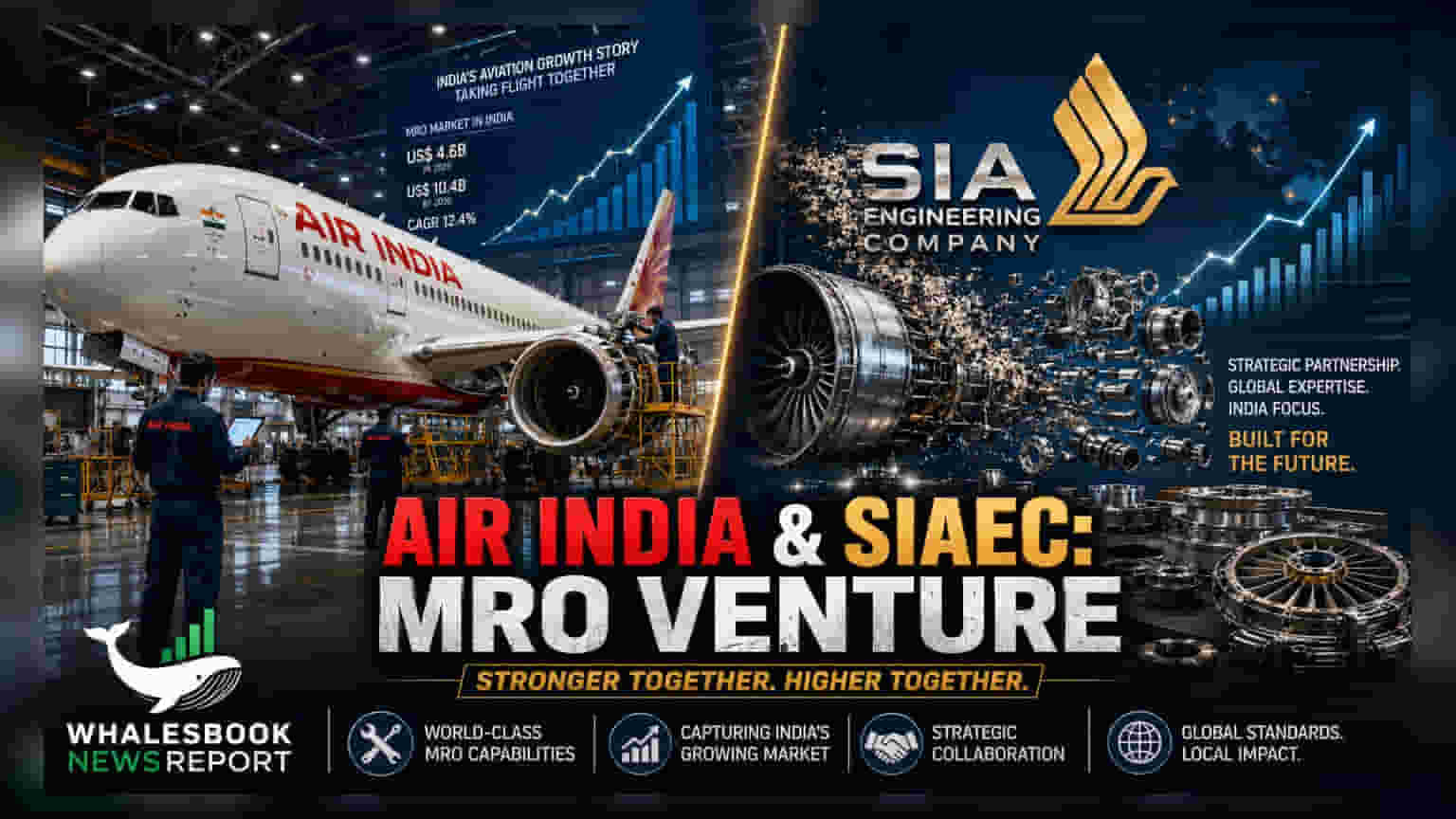
Air India and Singapore Airlines Engineering Company (SIAEC) have signed an agreement to set up a new aircraft maintenance facility in India. This partnership aims to strengthen technical support for Air India’s expanding fleet and support the country's growing aviation sector.
What Happened
Air India and SIA Engineering Company (SIAEC), a subsidiary of Singapore Airlines, have signed a Memorandum of Understanding to create a Maintenance, Repair, and Overhaul (MRO) joint venture in India. This agreement follows a series of earlier collaborations between the two entities as they work to improve technical and maintenance support for India’s national carrier. The move is designed to create a specialized local facility capable of servicing both Air India’s rapidly growing fleet and other regional aircraft, aiming to reduce the industry's reliance on maintenance services located outside of India.
Why This Matters for the Aviation Sector
Maintenance, Repair, and Overhaul services are essential for keeping aircraft safe and operational. Currently, many Indian airlines send their aircraft or major components to overseas facilities for heavy maintenance. By building a local MRO ecosystem, Air India aims to improve operational efficiency and potentially reduce the long-term costs associated with international logistics and repair timelines. This initiative aligns with India’s broader goal of becoming a major global aviation hub, supported by a sharp increase in domestic air traffic and the massive aircraft orders placed by Indian carriers in recent years.
Building on Existing Partnerships
This new venture is not an isolated deal but part of a deeper integration between the Tata Group-owned airline and the Singapore Airlines Group. SIAEC has already been providing technical support through a 12-year Inventory Technical Management agreement signed in February 2024, which covers components for Air India’s Airbus A320 fleet. Furthermore, the two groups have been working together on base maintenance facilities in Bengaluru since May 2024. These repeated investments demonstrate a long-term commitment to shared operational standards.
The Business Context and Financial Logic
For Air India, maintaining a modern and efficient fleet is critical as it undergoes a massive expansion under the Tata Group. Efficient maintenance leads to higher aircraft availability, which directly affects revenue generation. However, the aviation MRO business is capital-intensive, requiring significant investment in specialized hangars, equipment, and certified technical personnel. Investors will likely look for details on how this joint venture will be funded and how quickly it can scale to provide a return on investment. The 25.1% stake that Singapore Airlines holds in Air India remains a key indicator of the long-term alignment between these two major carriers.
What Investors Should Track
As this project moves from a memorandum of understanding to a formal joint venture, there are several factors to monitor. First, the planned location and size of the facility will indicate the scale of the investment. Second, the timeline for the facility’s completion and regulatory certifications will determine when the company might see operational benefits. Finally, analysts will watch for any impact on Air India's broader capital spending plans as the airline simultaneously manages a large order book of new aircraft and invests in essential support infrastructure.