 Whalesbook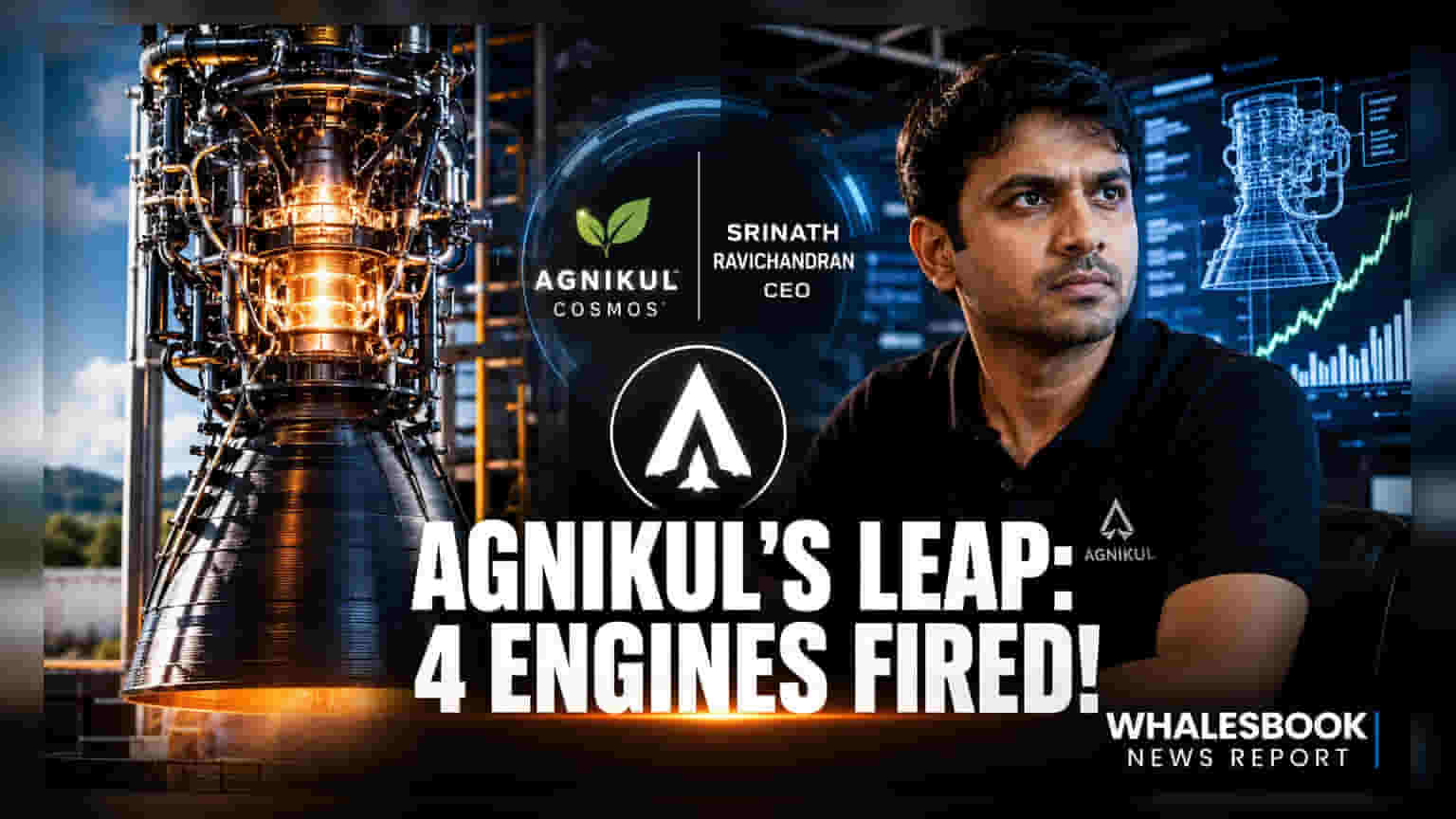


Technical Validation and System Complexity
The recent synchronized ignition of four Agnilet engines represents more than a successful burn; it serves as a functional demonstration of highly complex fluid dynamics and electronic synchronization. By managing eight electric pumps and separate speed-control algorithms in unison, the engineering team has addressed the primary skepticism surrounding 3D-printed additive manufacturing, namely the consistency of hardware under high-stress, multi-engine load profiles. This architectural modularity, allowing for configurations ranging from four to seven engines, provides the flexibility needed to address variable payload requirements without requiring complete system redesigns for every mission.
Competitive Positioning and Market Strategy
While Agnikul competes in the nascent Indian private space sector, it faces intense pressure to differentiate itself from global incumbents and regional rivals such as Skyroot Aerospace. The broader small-launch market is currently defined by a high failure rate during initial orbital attempts, making Agnikul’s focus on vertical integration—specifically its in-house manufacturing at Rocket Factory-1—a vital buffer against supply chain volatility. By printing engines in seven-day cycles, the firm attempts to lower the entry cost for satellite operators who have historically relied on larger, expensive rideshare missions. This 'private taxi' model targets a niche of customers prioritizing precise orbital placement and time-sensitive launch windows over the lower cost-per-kilogram rates typically offered by massive heavy-lift vehicles.
The Forensic Bear Case
The transition from ground-clamped testing to actual orbital delivery remains the industry’s most lethal bottleneck. Despite a valuation exceeding $500 million, Agnikul must contend with the reality that space-tech development frequently experiences schedule slippage due to regulatory hurdles and unexpected structural failures during vacuum-environment staging. Unlike established players with deep balance sheets, the company’s heavy reliance on venture capital and state government support necessitates consistent, tangible technical progress to avoid future funding gaps. Furthermore, the reliance on a single-piece 3D-printing methodology, while efficient, introduces unique challenges in material fatigue that are often only discovered during the extreme vibrations and thermal cycling of an actual launch, presenting a binary risk to the company's valuation.
Future Outlook and Sector Integration
Looking toward late 2026, the company’s success hinges on its ability to move from static fire tests to successful staging. If Agnikul maintains its current development velocity, it could capture a meaningful share of the growing low-Earth orbit satellite market. Analysts will likely shift focus from manufacturing capacity to orbital flight reliability over the next 18 months, as the company enters the most capital-intensive phase of its life cycle.