 Whalesbook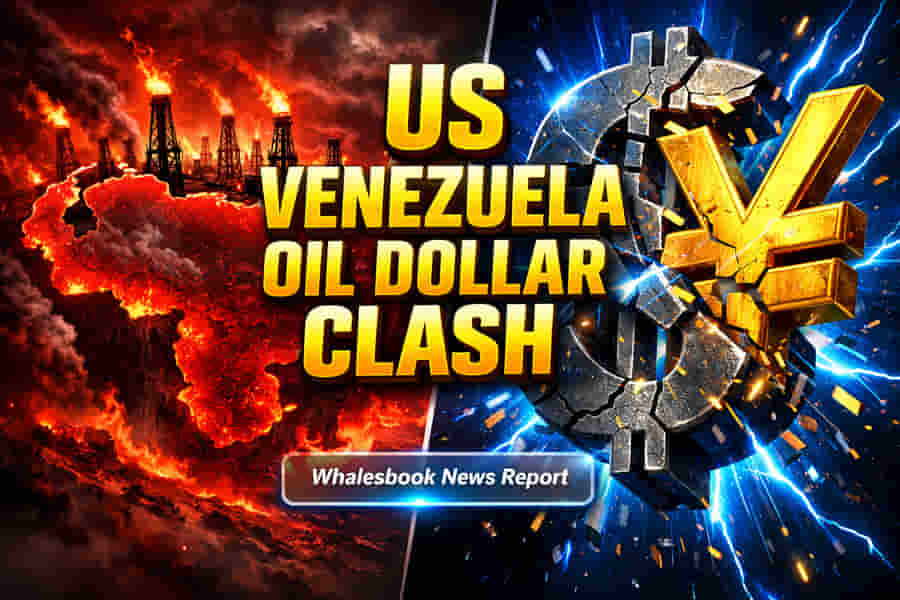
US Military Action Sparks Oil Reserve Debate
The US military's action on January 3, 2026, has ignited global debate regarding the role of oil reserves in Washington's strategy toward Venezuela. While official justifications cite narcoterrorism and security concerns, scrutiny is mounting over whether the nation's vast oil wealth and its ventures to trade oil outside the US dollar system played a part in the unfolding events.
Venezuela's Vast Oil Holdings Challenge Dollar Norms
Venezuela is more than just another oil producer; it possesses the world's largest proven oil reserves, estimated at approximately 303 billion barrels. This figure dwarfs US reserves by more than five times. In recent years, Caracas has actively sought to conduct oil sales using currencies other than the US dollar, including the Chinese yuan and various digital payment systems.
This combination of immense oil resources and reduced reliance on the dollar places Venezuela at the nexus of a significant economic and strategic discussion. The petrodollar system, established in the 1970s, mandates that most globally traded oil be priced in dollars, compelling importing nations to acquire dollars before purchasing energy.
Understanding the Petrodollar's Global Impact
This cycle sustains constant global demand for dollars, as oil is fundamental to transportation, power, and industry. Oil-exporting nations then reinvest these dollars back into the US economy, primarily through government bonds and financial markets. This mechanism has historically kept demand high for both the dollar and US debt, allowing the US to borrow more readily and maintain its currency's global dominance.
Bypassing Dollars: Venezuela's Strategy with China
Facing years of sanctions, Venezuela began exploring oil sales beyond the dollar framework, accepting payments in yuan, euros, and digital assets, thus bypassing traditional US-controlled financial channels. China, a major importer of Venezuelan oil, has backed this shift through direct currency deals and investments in Venezuelan oil fields. Despite sanctions, Venezuela maintained production levels near 900,000 barrels per day, demonstrating that a significant oil producer could function with reduced dollar dependence.
Strategic Threat to US Financial Hegemony
This development raises concerns in Washington, as it suggests other countries might follow suit. The petrodollar system grants the US advantages, including lower borrowing costs and enhanced global financial influence. When oil trade relies heavily on the dollar, the US can deploy financial tools like sanctions more effectively. These measures lose potency if nations find ways to trade oil without US dollars.
Historical Parallels in Energy and Foreign Policy
Challenges to the dollar-based oil system are often perceived as strategic threats. In 2024, reports indicated Saudi Arabia was exploring limited oil sales in other currencies and strengthening ties with China, signaling a growing interest among major producers to diversify currency reliance, although oil remains largely dollar-priced. Critics point to past interventions in energy-rich nations, such as Iraq in 2003 and Libya in 2011, as instances where energy resources intersected with foreign policy decisions.
A Gradual Shift in Global Energy Trade
While the dollar remains the world's preeminent currency and oil trade largely dollar-denominated, more countries are testing alternatives through local currency trade, digital payments, and regional partnerships. The Venezuela situation underscores the persistent linkage between oil, money, and military power. The petrodollar system is not on the verge of collapse, but its dominance is facing increasing scrutiny, paving the way for gradual evolutions in global energy trade.