 Whalesbook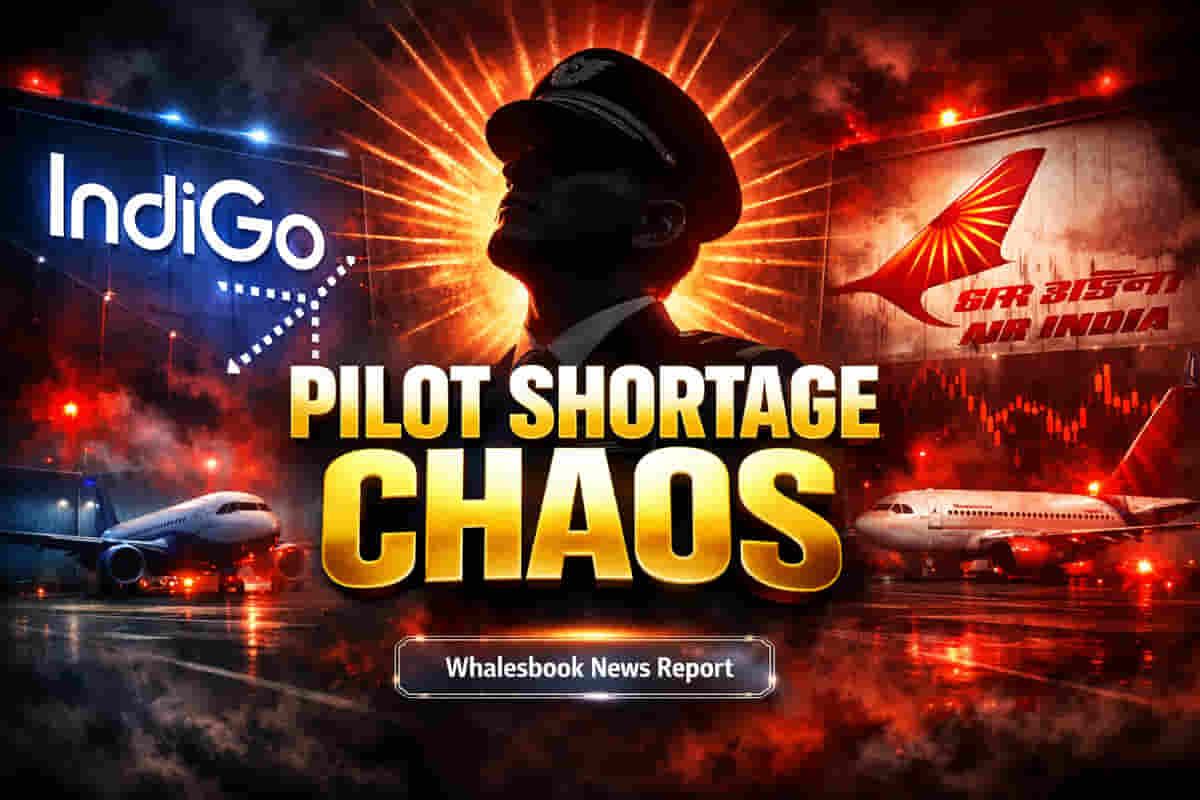
The Lede
A severe shortage of airline captains is driving a fierce competition for pilots between IndiGo and the Air India group. This situation follows recent operational disruptions, which industry executives attribute to India's new Flight Duty Time Limitation (FDTL) rules. Both major carriers are now actively recruiting to manage their staffing levels under these stricter regulations.
IndiGo has assured the Directorate General of Civil Aviation (DGCA) that it will hire more pilots to prevent further disruptions, planning to onboard approximately 100 captains in January alone. Air India has also commenced recruitment drives. However, the challenge is compounded by a significant number of captain resignations, as pilots switch between domestic airlines or seek opportunities with international carriers.
The Core Issue
The implementation of new FDTL norms has significantly impacted pilot availability. These rules are designed to reduce pilot fatigue by capping flight duty hours, but they inadvertently shrink the pool of pilots available for scheduling on any given day. This scarcity is particularly acute for experienced captains, leading to intense poaching wars between airlines.
Human resource departments, typically focused on cost-saving, are now prioritizing staffing above all else due to the operational consequences of pilot shortages. This shift underscores the critical nature of the current situation, forcing airlines to rethink their approach to pilot management and retention.
Financial Implications
The intense competition for experienced captains has driven up compensation offers. Senior executives report that captains are receiving calls with offers that include joining bonuses potentially reaching up to ₹50 lakh. This represents a substantial increase in recruitment costs for airlines.
While such incentives are not entirely new, the current scale and urgency are unprecedented. Previously, bonuses were offered to help pilots cover costs associated with leaving their previous employers, such as bond payments. Now, the focus is on securing talent amid a market characterized by high demand and limited supply. IndiGo has made minor pay adjustments, while Air India is reportedly planning significant compensation changes soon.
Market Reaction
While the article does not detail immediate stock price movements, the operational challenges and increased costs associated with pilot shortages can significantly impact airline profitability. Investors closely monitor such factors as they affect revenue generation, scheduling reliability, and overall financial health. The intensified hiring battle suggests potential pressure on margins for IndiGo and the Air India group.
Official Statements and Responses
IndiGo has publicly committed to the DGCA regarding the induction of more pilots to stabilize operations. The airline plans to hire around 100 pilots in January to mitigate the impact of the new FDTL rules. Air India, under the Tata Group, is also actively recruiting aviators to bolster its ranks.
The regulatory body, DGCA, oversees these compliance efforts, ensuring that airlines adhere to safety and operational standards, including duty time limitations. The current hiring surge is largely driven by the need to comply with these new regulations.
Future Outlook
Industry experts anticipate a prolonged period of competition for captains. Captain Shakti Lumba, a former executive at both Air India and IndiGo, predicts continued poaching as airlines strive to meet pilot requirements. IndiGo's need for pilots is expected to grow as its flying schedules become less intensive under the new norms.
Air India is preparing for expansion, including new aircraft inductions, necessitating a robust pilot base. The article highlights that without improved working conditions and competitive compensation, airlines will struggle to retain pilots, many of whom are drawn to lucrative opportunities in the Middle East and other international markets like Vietnam. Akasa Air is noted to currently have a pilot surplus, contrasting with the challenges faced by the larger carriers.
Expert Analysis
Captain Shakti Lumba emphasizes the ongoing scramble for captains between the two major airline groups. He points out that while Air India is largely staffed for its current fleets, it is hiring proactively for future growth. Lumba stresses that IndiGo must focus on improving pilot-management relations to retain its existing talent. He also warns that attracting and retaining pilots requires addressing concerns over working conditions and pay structures, which have lagged behind inflation.
Impact
This pilot shortage poses significant risks to the Indian aviation sector. Potential flight disruptions could inconvenience passengers and damage airline reputations. Increased operational costs, driven by higher salaries and bonuses, could affect airline profitability and potentially lead to higher ticket prices for consumers. Airlines must adapt by becoming more attractive employers to secure and retain the necessary flight crew, ensuring the stability and growth of India's air travel industry.
- Impact Rating: 7/10
Difficult Terms Explained
- Flight Duty Time Limitation (FDTL): Rules set by aviation regulators that define the maximum number of hours pilots can fly within a specific period (e.g., day, week, month) to prevent fatigue and ensure safety.
- Directorate General of Civil Aviation (DGCA): India's regulatory body responsible for overseeing civil aviation safety, standards, and operations.
- Joining Bonus: A one-time payment offered to new employees upon joining a company, often used to attract talent in competitive markets.
- Poaching: The act of hiring employees from a competitor, often by offering better compensation or working conditions.