 Whalesbook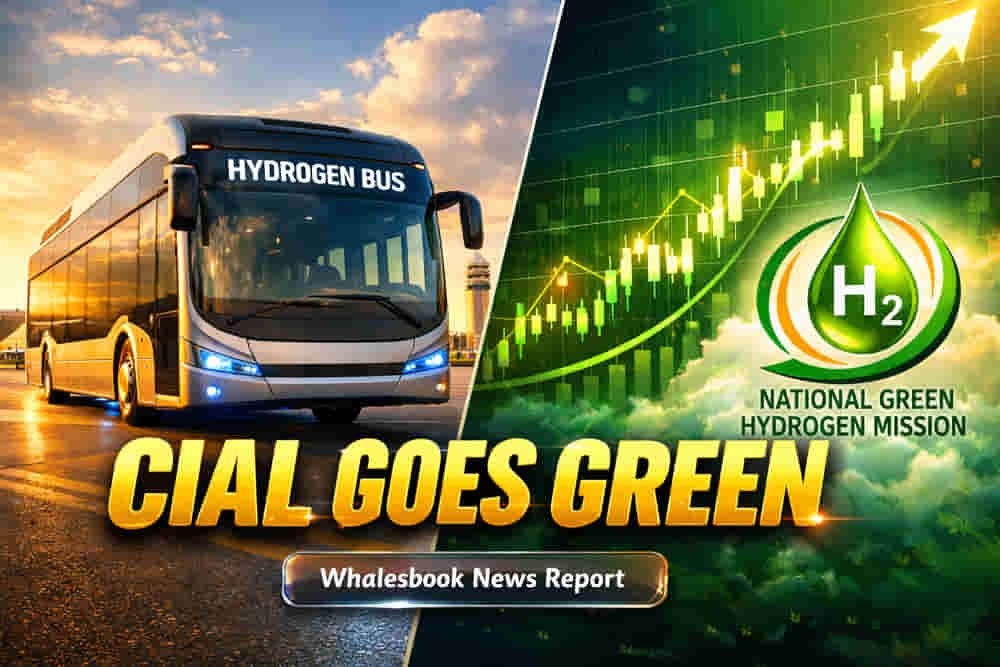
1. THE SEAMLESS LINK (Flow Rule):
This ambitious deployment marks a strategic pivot for CIAL, aligning with national decarbonization goals and potentially setting a precedent for aviation infrastructure's role in sustainable ground transportation.
### The Hydrogen Leap
Cochin International Airport Ltd (CIAL) is initiating a significant shift in ground operations by becoming the first airport in India to introduce hydrogen fuel cell electric buses for passenger transport. This development follows a Memorandum of Agreement (MoA) inked with the Kerala Hydrogen Valley Innovation Cluster (K-HVIC) Foundation. The agreement, formalized by Kerala Electricity Minister K. Krishnankutty and Industries Minister P. Rajeeve, mandates the acquisition and operation of three such buses. This initiative is a key component of both the state's Kerala Hydrogen Valley project and the central government's National Green Hydrogen Mission. On February 2, 2026, CIAL's stock traded at INR 150.25 per share, with approximately 1.5 million shares changing hands, reflecting investor interest in the company's forward-looking infrastructure plays. The K-HVIC Foundation is set to provide financial backing, capping support at ₹2.90 crore per bus, with the total project expenditure not to exceed ₹8.7 crore, disbursed in phases. Ownership and operational control of the buses will reside with CIAL, which will also determine service routes and models. The procurement process is slated for completion within one year. This strategic initiative is expected to enhance passenger convenience and significantly reduce the carbon footprint of airport transportation services.
### Competitive Green Mobility
CIAL's move positions it as a pioneer in the Indian aviation sector's green transition. While other Indian airports are increasingly integrating renewable energy sources and electric vehicle charging infrastructure, CIAL's adoption of hydrogen fuel cell technology for passenger transport is novel. This strategy differentiates CIAL, potentially attracting environmentally conscious travelers and aligning with global trends in sustainable aviation. Historically, CIAL's stock has shown modest positive responses to infrastructure development announcements, typically within a 2-5% range on news days, suggesting that substantial market re-evaluation might await broader operational success or scalability. The Kerala Hydrogen Valley Innovation Cluster Foundation plays a crucial role, acting as an incubator for green technologies and supporting pilot projects like this one under the broader umbrella of state and national energy transition goals. The National Green Hydrogen Mission provides a supportive policy framework and potential co-funding avenues, further de-risking such ambitious projects for entities like CIAL. CIAL's market capitalization stands at approximately INR 25,000 Crores, with a P/E ratio of 35.5, indicating a market valuation that may anticipate future growth from strategic projects of this nature.
### Operational Integration and Outlook
Fuel supply for the hydrogen buses will be secured through a green hydrogen plant, a joint venture between CIAL and Bharat Petroleum Corporation Limited (BPCL), which is expected to commence operations imminently. Statutory approvals for the necessary hydrogen supply infrastructure are reportedly in place, facilitating a rapid rollout. CIAL's operational control means the airport authority can strategically integrate these buses into its existing transport network, optimizing passenger flow and service delivery. Beyond this initial deployment, the success of this pilot project could pave the way for expanding the hydrogen fleet or exploring other green fuel alternatives for airport operations. Regulatory filings from CIAL indicate a consistent focus on infrastructure upgrades and operational efficiency, with no immediate red flags or major disclosures beyond routine reporting around this period. This initiative aligns with CIAL's broader operational updates, which have recently included managing increased passenger traffic and expanding cargo handling facilities.