 Whalesbook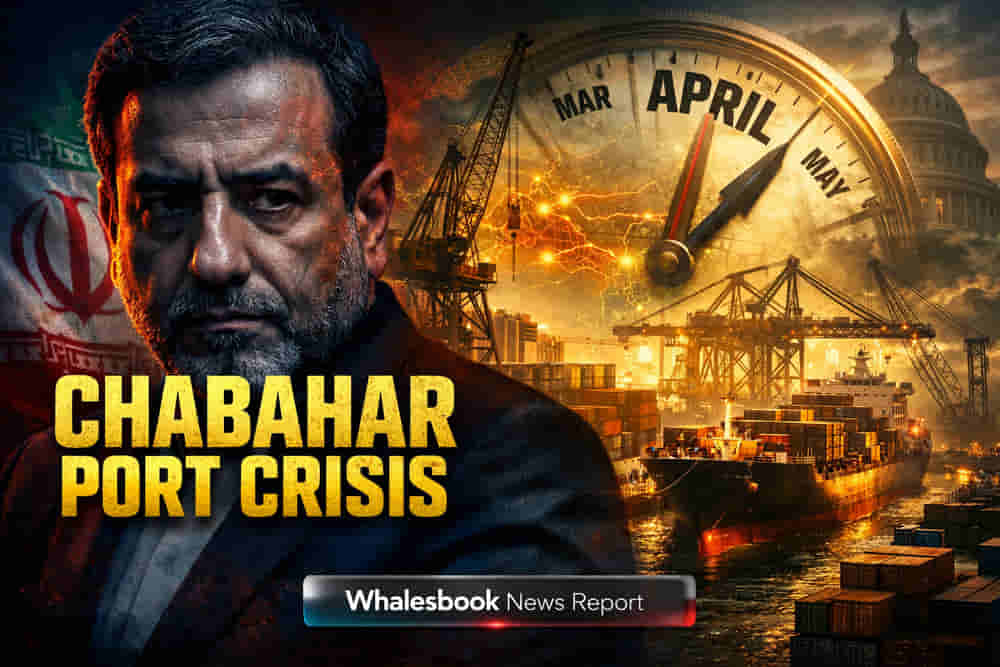
Chabahar Port Future Dominates Iran FM's India Visit
Iranian Foreign Minister Abbas Araghchi's visit to India on January 15-16 will place the future of the Chabahar Port at the forefront of discussions. The port's US sanctions waiver is slated for expiration in April, injecting urgency into bilateral talks. India Ports Global Limited currently manages the strategically significant port under a 10-year agreement that commenced in 2024.
Diplomatic Engagements and Port's Strategic Role
During his stay, Araghchi is scheduled to meet with External Affairs Minister S Jaishankar, National Security Advisor Ajit Doval, and Ports, Shipping and Waterways Minister Sarbananda Sonowal. Chabahar Port serves as a crucial gateway for Afghanistan and Central Asian states, offering them vital access to the Indian Ocean Region and markets in India and the Gulf. The port also extends connectivity to parts of Russia bordering Central Asia.
India's Expanding Role and Regional Trade
India secured a 10-year contract to operate the port on May 13, 2024, marking its first overseas port management endeavor. This agreement was signed between India Ports Global Limited and Iran's Port & Maritime Organisation. The port is instrumental for strengthening the India-Afghanistan economic partnership and facilitating humanitarian aid. The Taliban regime in Afghanistan is also keen on leveraging the port for its international outreach. Plans are underway to integrate Chabahar Port with the International North-South Transport Corridor.
Broader Economic Ties and Diplomatic Celebrations
Nations like Uzbekistan, Kazakhstan, and Tajikistan are keen to utilize Chabahar Port for boosting trade with India and accessing the Indian Ocean. Concurrently, India is pursuing an early-harvest free trade agreement with the Eurasian Economic Union to access Eurasian markets and secure resources, including rare earth minerals. Araghchi's visit also coincides with celebrations marking 75 years of India-Iran diplomatic relations. He is expected to attend an exhibition on bilateral historical documents and engage with India's business community and think tanks.