 Whalesbook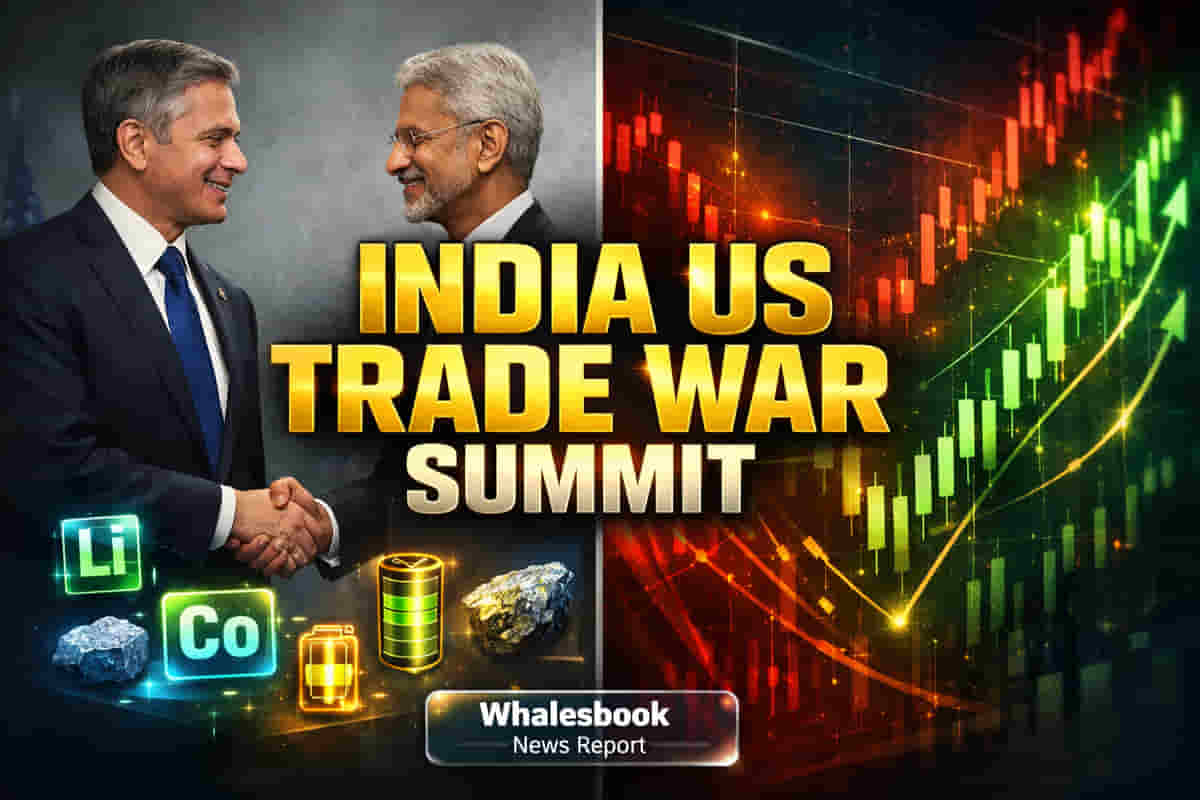
1. THE SEAMLESS LINK
The current diplomatic engagement by External Affairs Minister S Jaishankar in Washington D.C. is critically positioned to navigate deep-seated trade disagreements that have complicated the India-US economic partnership. The US imposition of a 50% tariff on most Indian imports in August 2025, a move compounded by a specific levy on India's continued purchases of Russian crude oil, has notably stalled high-level trade discussions. This diplomatic exchange, centered around the Critical Minerals Ministerial, represents a dual-purpose endeavor: advancing cooperation in vital strategic resources while simultaneously seeking pathways to de-escalate and resolve these persistent trade disputes. The success of these talks hinges not only on breakthroughs in critical minerals but also on addressing Washington's insistence on India ceasing oil purchases from Russia and its market access concerns in key agricultural sectors like soya and corn.
Navigating Tariffs and Oil Politics
The imposition of a 50% tariff by the US on Indian goods in August 2025 significantly strained bilateral trade, with a portion of this levy specifically targeting India's energy procurement from Russia. India has stated that its energy sourcing strategy considers global market realities and consumer interests, though it has reduced oil imports from Russia considerably since December 2025. For any comprehensive trade deal to materialize, Indian officials have indicated that Washington must address both the reciprocal tariffs and the punitive levies related to Russian oil. The US also continues to press for greater market access for its agricultural products, including soya and corn, a persistent point of contention.
Strategic Minerals and Clean Energy Focus
The Critical Minerals Ministerial, convened by US Secretary of State Marco Rubio, aims to bolster supply chain resilience, accelerate clean energy transitions, and foster strategic cooperation in minerals essential for modern technologies. This gathering occurs as global demand for critical minerals is projected to surge, driven by the expanding electric vehicle and renewable energy sectors. Countries are increasingly prioritizing resource security and diversified supply chains to mitigate geopolitical risks and ensure industrial competitiveness. India's participation underscores its ambition to become a key player in the global clean energy ecosystem and secure its own critical mineral needs.
Budgetary Tailwinds and Future Trajectory
India's recently presented FY27 Union Budget includes several measures designed to align with US economic interests, potentially creating a more favorable environment for trade discussions. These include tax holidays for foreign data centers until 2047, the opening of the nuclear and aviation sectors to greater foreign participation, and reduced barriers in clean energy and healthcare. While these fiscal incentives signal New Delhi's willingness to foster closer economic ties, the fundamental disagreements over tariffs and energy policy remain significant hurdles to a broader trade agreement. The ongoing dialogue attempts to find common ground amidst these complex geopolitical and economic realities.