 Whalesbook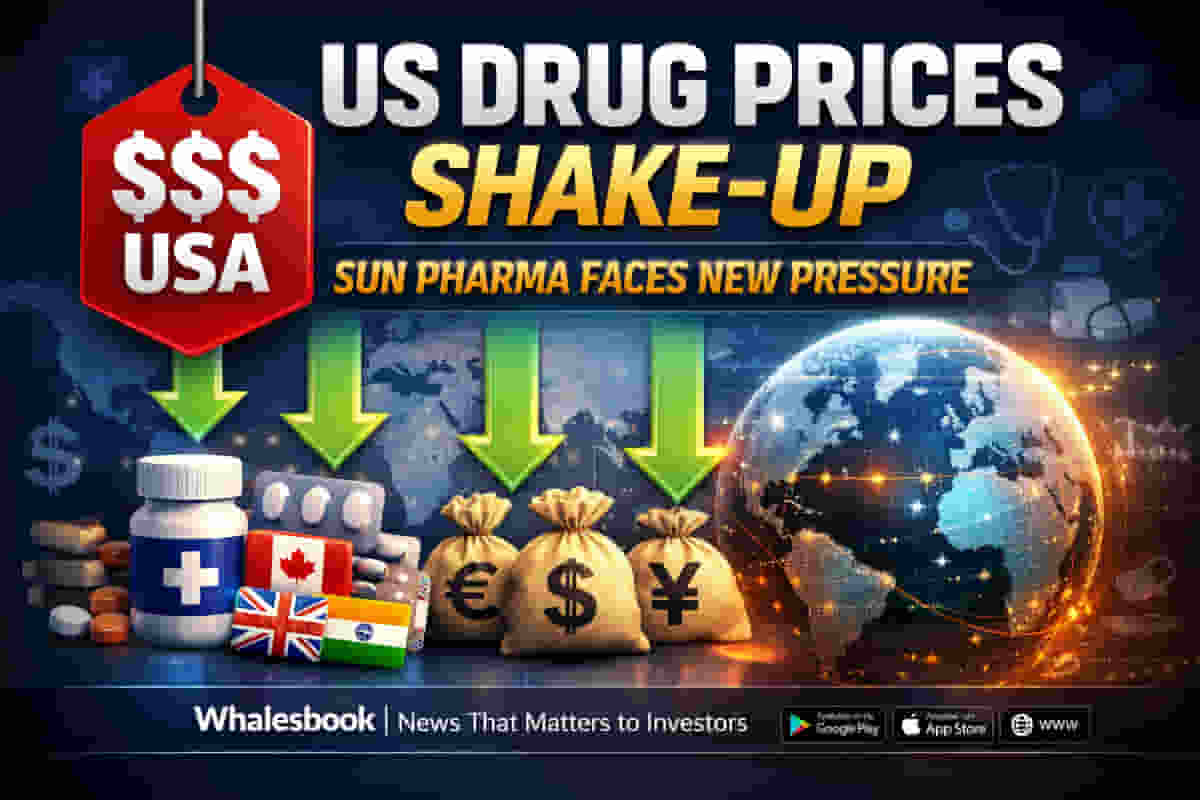
US Proposes Landmark Drug Pricing Reforms
The United States Centers for Medicare and Medicaid Services (CMS) has put forward new mandatory pricing models that could significantly alter how prescription drugs are reimbursed within Medicare. These proposals, namely the Global Benchmark for Efficient Drug Pricing (GLOBE) for Medicare Part B and Guarding US Medicare Against Rising Drug Costs (GUARD) for Medicare Part D, aim to tie US drug prices to international reference prices. This regulatory move has immediately drawn attention to companies with substantial US market exposure, particularly Sun Pharmaceutical Industries Ltd.
Brokerage firm Macquarie has identified Sun Pharma as highly sensitive to these potential changes. With approximately 20% of its revenue derived from its innovative medicines portfolio, the company faces increased risks from international price benchmarking. Their analysis suggests that key products could see downward pressure on net pricing if these models are implemented, impacting overall profitability.
The Core Issue
The CMS is seeking to curb rising drug costs for American beneficiaries. The proposed GLOBE model for Medicare Part B would require manufacturers to pay rebates whenever US drug prices exceed established international benchmarks. Similarly, the GUARD proposal for Medicare Part D aims to control costs within the prescription drug benefit program. These frameworks represent a significant potential shift in US drug pricing policy.
Financial Implications
Macquarie's report specifically points to Sun Pharma's flagship product, Illumya, as being particularly vulnerable. Illumya generates a substantial portion of its revenue from Medicare Part B. Currently, the US list price for Illumya exceeds $17,000 per dose, a stark contrast to the approximately $4,731 price point observed in the United Kingdom's National Health Service. This considerable pricing disparity indicates a high likelihood that Illumya could be subjected to the proposed GLOBE model, potentially leading to reduced net revenue for Sun Pharma in the US.
Market Reaction
Despite the significant potential implications for companies like Sun Pharma, the immediate market reaction appears subdued. The broader NYSE Pharma Index closed higher following the announcement, suggesting that investors are not yet exhibiting widespread concern over the proposed regulatory changes. This calm market sentiment may indicate a wait-and-see approach or a belief that the proposals might be significantly altered before implementation.
Expert Analysis
Macquarie's assessment highlights Sun Pharma's unique position among its peers. The brokerage firm noted that Sun Pharma has the highest exposure to branded pharmaceuticals, making it more susceptible to regulatory interventions focused on pricing. The company's reliance on revenue from innovative drugs, rather than generics, amplifies the potential impact of linking US prices to international benchmarks. This exposure is a key factor for investors monitoring the situation.
Future Outlook
The implementation and exact details of the GLOBE and GUARD models remain uncertain. Regulatory proposals often undergo public comment periods and potential modifications before becoming final policy. However, the direction indicated by the CMS signals a growing effort to address drug affordability in the United States. Pharmaceutical companies, especially those with a strong presence in the US market and significant revenue from patented drugs, will need to closely monitor these developments. The potential for downward pressure on prices could affect future investment in research and development and overall sector profitability.
Impact
This news could significantly impact Sun Pharmaceutical Industries Ltd.'s future revenue and profitability, particularly from its key drugs sold in the US market. If implemented, these pricing models could affect other Indian pharmaceutical companies with substantial US operations and branded drug portfolios. The overall investor sentiment towards the Indian pharmaceutical sector could also be influenced, depending on the extent to which other companies are deemed exposed.
Impact Rating: 8
Difficult Terms Explained
- Medicare Part B: A federal health insurance program in the United States that covers outpatient services, including doctor visits, medical supplies, and preventive care.
- Medicare Part D: A federal program that offers prescription drug coverage to beneficiaries of Medicare.
- Most Favoured Nation (MFN) Pricing: A trade principle that requires a country to grant the same trade advantages to all of its trading partners. In this context, it means US prices would align with prices offered to other countries.
- International Reference Prices (IRP): Prices for a specific drug in a basket of other developed countries.
- Rebates: Discounts or payments made by pharmaceutical manufacturers back to payers (like insurance companies or government programs) after the sale of a drug.
- GLOBE (Global Benchmark for Efficient Drug Pricing): A proposed CMS model linking US drug reimbursement to international prices for Medicare Part B.
- GUARD (Guarding US Medicare Against Rising Drug Costs): A proposed CMS model aimed at controlling costs within the US Medicare Part D prescription drug benefit.
- Net Pricing: The actual price a manufacturer receives for a drug after accounting for rebates, discounts, and other reductions.
- Benchmarking: Comparing prices against a standard or set of reference points to evaluate fairness or efficiency.