 Whalesbook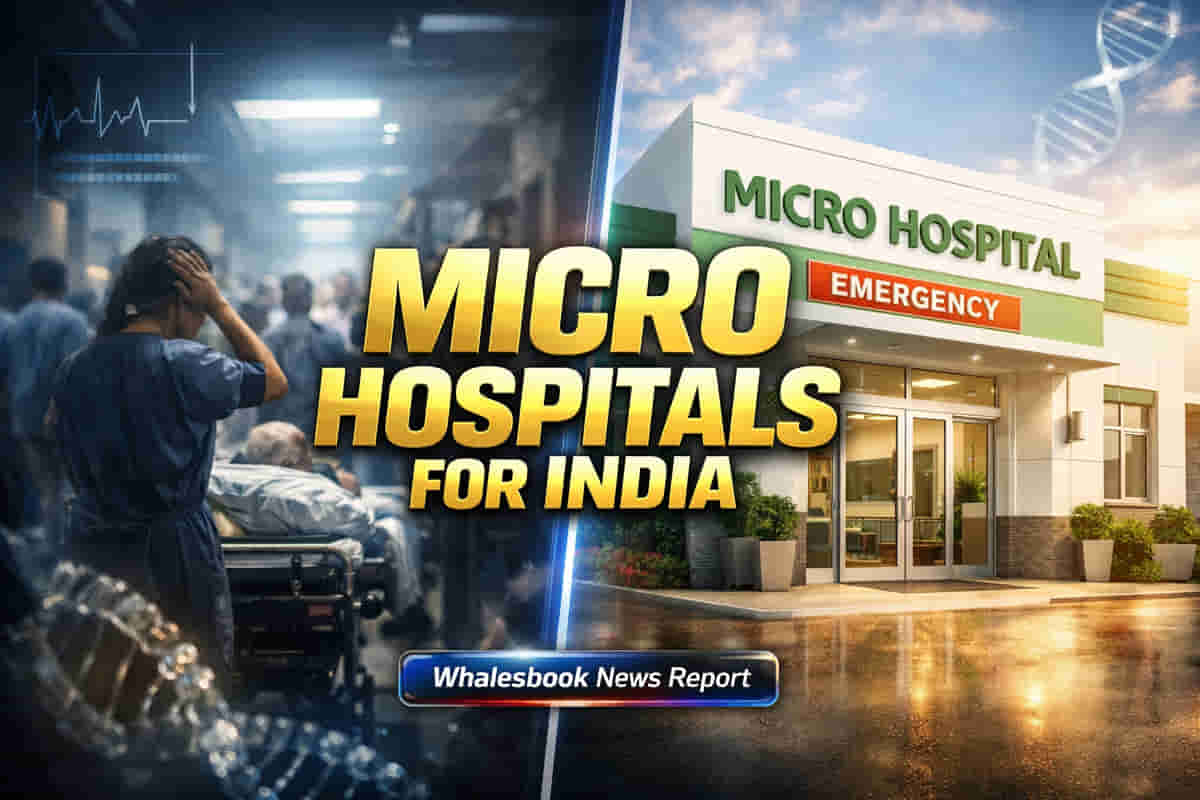
India Grapples with NCD Epidemic
India's healthcare system is under immense pressure from a surge in non-communicable diseases (NCDs), which now account for a staggering 63 percent of all deaths, according to World Health Organization data. Experts are highlighting a critical need for structural changes to combat this growing crisis.
The Case for Micro-Hospitals
To address the limitations of the current healthcare infrastructure, specialists are strongly recommending the implementation of "micro-hospitals." This innovative model proposes a shift from fragmented tertiary care systems to specialist-led, coordinated care pathways. The goal is to significantly reduce deaths related to NCDs by improving accessibility and efficiency.
Bridging the Healthcare Gap
India's hospital bed density stands at a mere 0.55 beds per 1,000 population, falling far short of the WHO's benchmark of 3 per 1,000. This scarcity leads to overcrowded facilities and prolonged wait times, impacting the quality of care delivered. Experts point out a significant "middle-layer gap" in the healthcare system – a void between basic primary clinics and large, often overwhelmed, 500-bed hospitals. This gap results in fragmented patient journeys and a growing distrust between medical providers and the public.
Restoring Trust and Coordination
Dr. Jagdish Prasad, former Director General Health Services at the Union health ministry, emphasized that India possesses ample doctors and technology but lacks continuous, coordinated care. He explained that large tertiary hospitals are often ill-equipped for the long-term, community-centered management required for NCDs. "Micro-hospitals represent a necessary structural correction, bringing consultations, diagnostics and follow-ups under one roof to restore the lost trust between patients and providers," he stated.
A New Healthcare Blueprint
The micro-hospital model is emerging as a blueprint designed to bridge the accessibility and quality divide. Unlike traditional nursing homes, these are purpose-built, specialist-led facilities offering comprehensive 360-degree care. Services range from advanced diagnostics to surgical interventions, all situated closer to residential communities. This approach aims to eliminate "patient shuffling" and ensure a more integrated care experience.
Patient-Centric Care
Dr. Mohsin Wali from Sir Ganga Ram Hospital noted the psychological burden patients face in large hospitals. Micro-hospitals aim to reintroduce essential elements like adequate time, clear communication, and coordination. Dr. Swadeep Srivastava of Pacific OneHealth believes the future lies in "better-aligned systems" rather than just bigger hospitals, defining micro-hospitals as a philosophy centered on family, community, and long-term health outcomes. Dr. Aijaz Ilmi added that these facilities are crucial for early detection and intervention of lifestyle diseases, preventing irreversible damage.
Impact
This strategic shift towards micro-hospitals has the potential to significantly enhance the quality and accessibility of healthcare in India, particularly for chronic conditions. It could lead to increased investment in specialized community health infrastructure and improve patient outcomes, potentially influencing the growth and strategy of healthcare providers. The model promises more efficient, patient-centric care, addressing a key gap in the current system.
Impact Rating: 7/10
Difficult Terms Explained
- Non-Communicable Diseases (NCDs): Chronic health conditions that are not infectious and are typically long-lasting, such as heart disease, cancer, diabetes, and respiratory diseases.
- Tertiary Care: Highly specialized medical care, usually provided in large hospitals, involving complex procedures and advanced diagnostic capabilities.
- Micro-hospitals: Small, community-based healthcare facilities focused on specialized, coordinated care, diagnostics, and minor surgical interventions.
- Diagnostics: The process of identifying a disease or condition based on signs, symptoms, and medical tests.
- Surgical Interventions: Medical procedures that involve performing surgery to treat conditions or injuries.