 Whalesbook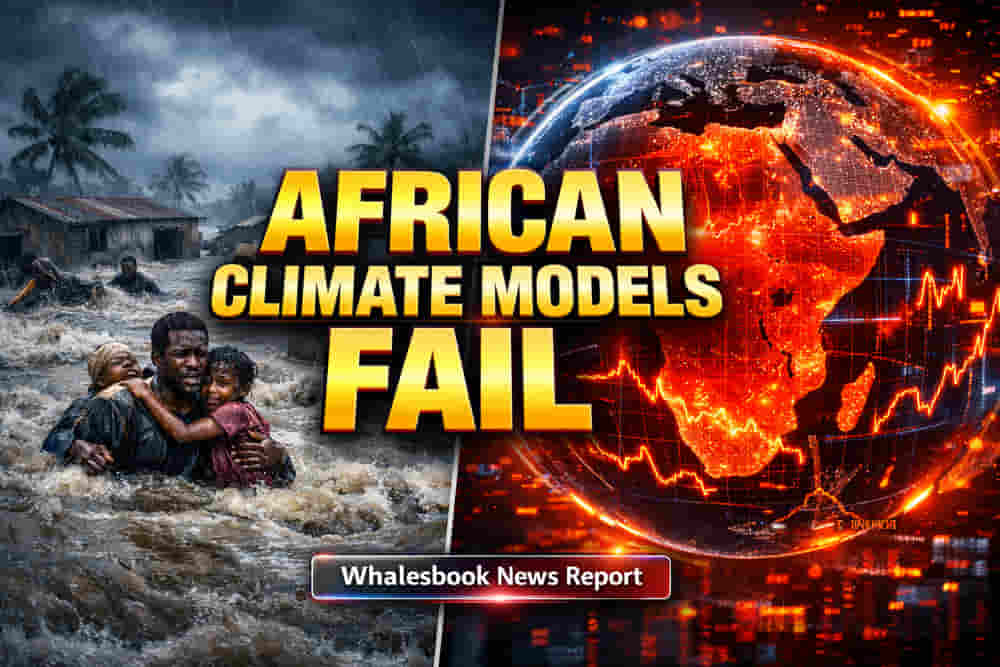
1. THE SEAMLESS LINK
The stark reality of climate-induced disasters in Southern Africa, as evidenced by the recent catastrophic floods, carries significant implications for risk assessment and investment strategies. The findings by World Weather Attribution (WWA) regarding model deficiencies not only underscore the immediate humanitarian crisis but also point to systemic challenges in forecasting and preparedness that impact economic stability and future development prospects across the region.
The Climate Model Gap
An analysis of the recent extreme rainfall event that inundated Mozambique, Eswatini, northeastern South Africa, and Zimbabwe revealed critical inadequacies in contemporary climate modeling. Researchers determined that human-induced climate change has made such 10-day rainfall events approximately 40% more intense than in pre-industrial times. These events, estimated to occur once every 50 years in a warmer world, were further amplified by La Niña conditions by an additional 22 percent. However, global climate models proved incapable of accurately reflecting these regional meteorological shifts or quantifying the precise impact of La Niña. Experts noted that models predominantly developed outside Africa struggle to represent the complex tropical climate systems and localized nuances crucial for accurate forecasting in the region. This failure hinders the development of effective early warning systems and precise attribution studies, leaving vulnerable populations exposed. The broader economic toll of climate change in Africa was estimated at over $10 billion in 2024 alone, encompassing losses in agriculture and damage to infrastructure.
Vulnerability and Economic Strain
The devastating floods exacerbated pre-existing vulnerabilities within the affected communities. Primarily agrarian populations, many living in impoverished conditions, have been trapped in cycles of poverty by recurrent natural hazards. The study authors identified historical mining practices, weak environmental regulations, and poor maintenance of aging infrastructure as compounding factors that increased exposure to these events. This situation severely undermines livelihoods, with over 105,000 hectares of agricultural land and 34,000 livestock lost in Mozambique alone, compounding vulnerability from prior droughts. Such widespread destruction of crops, homes, and critical infrastructure, including approximately 5,000 km of roads in Mozambique, disrupts supply chains and deepens food insecurity. This recurring pattern of disaster presents a significant drag on economic development, with extreme weather events globally costing $451 billion in damages between 2022 and 2023.
The Imperative for Localized Solutions
The scientific community's findings highlight an urgent call for the development and implementation of weather and climate models specifically designed for African regions. These localized tools are essential for improving forecast accuracy, providing reliable early warnings, and better understanding the specific impacts of climate change on the continent. Experts emphasize that dedicated governmental funding is critical to foster this regional capacity. The climate tech sector in Africa is seeing growing investment, with startups attracting substantial funding, signaling a recognition of the need for innovative, locally tailored solutions. However, significant financial gaps remain. Africa requires an estimated $277 billion annually to meet its climate goals under the Paris Agreement, yet current annual climate finance flows to the continent are around $29.5 billion. Bridging this gap is essential for building resilience and mitigating the escalating impacts of extreme weather events.