 Whalesbook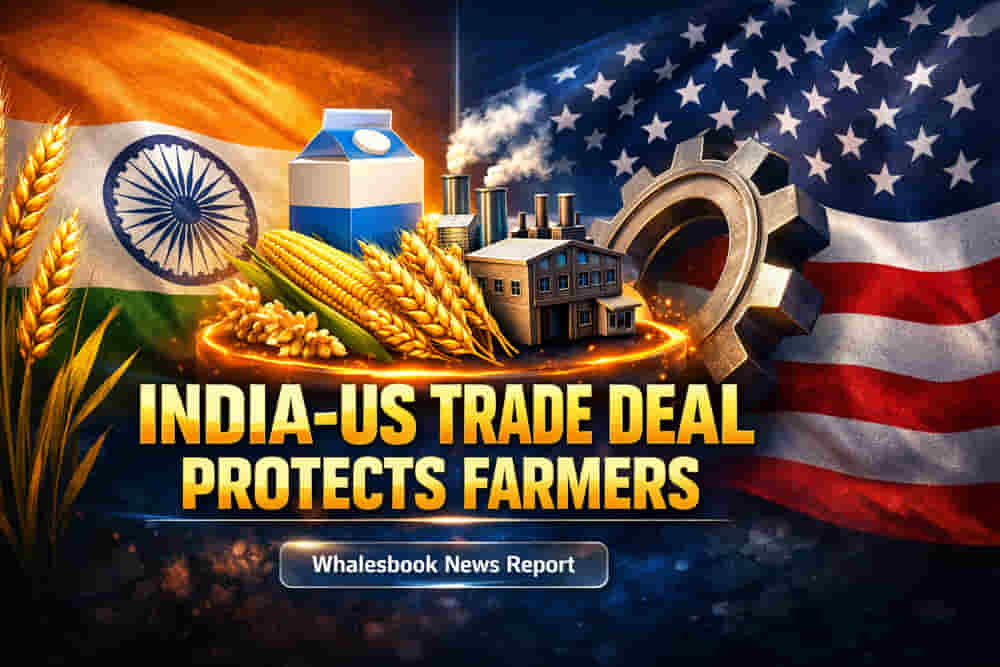
THE SEAMLESS LINK
India and the United States finalized an interim trade framework, with Union Minister Piyush Goyal strongly asserting its design safeguards farmers and Micro, Small, and Medium Enterprises (MSMEs). The agreement excludes sensitive agricultural products like dairy, meat, and certain grains, along with GM goods, from tariff concessions. This defensive structuring suggests a government strategy focused on mitigating domestic criticism and protecting vulnerable sectors, potentially limiting the scope of broader market liberalization in the bilateral relationship.
A Deal Built on Defensive Exemptions
The recent announcement of an interim trade deal between India and the United States is characterized by a deliberate focus on excluding sensitive sectors from tariff concessions, a strategy championed by Union Minister of Commerce and Industry Piyush Goyal. Minister Goyal articulated that the pact's contours were meticulously crafted to protect the interests of Indian farmers and small-scale producers. His vigorous defense against preemptive criticism indicates a government keen on managing domestic perceptions, emphasizing that no measures within the agreement would negatively impact the nation's agricultural base or its Micro, Small, and Medium Enterprises (MSMEs). This approach suggests a deal geared more towards resolving specific trade irritants and appeasing domestic stakeholders rather than pursuing aggressive market liberalization in agriculture. India's historical stance in trade negotiations has consistently prioritized safeguarding its agricultural sector, a vital employer and cornerstone of its economy, reflecting a cautious strategy in opening up to international competition.
Deep Dive: Sectoral Shields and Strategic Gaps
The exclusion list from the interim framework is extensive, encompassing genetically modified goods, meat, poultry, and dairy products, alongside specific grains such as maize, rice, sugarcane, and millets like jowar and bajra. Fruits like bananas and strawberries, and pulses such as green gram and chickpeas, also remain outside the agreement's scope. This robust shielding indicates India's commitment to its domestic production, especially given concerns that imported, potentially subsidized, agricultural goods could depress local prices and harm millions of small landholders. While the agreement aims to bolster bilateral trade, its structure may limit the potential for significant market access gains in these key areas for US exporters, who have historically sought greater entry into the Indian market for their farm products. The ongoing negotiations and this interim pact occur against a backdrop where India generally maintains a trade surplus with the US in services but faces a deficit in goods, potentially influencing the US's desire for concessions on merchandise trade.
The Forensic Bear Case: Limited Ambition, Lingering Risks
From a risk-averse perspective, the extensive list of exemptions in the India-US trade pact signals a deal with limited ambition for transformative liberalization, particularly in sectors deemed politically sensitive. This defensive posture, while effective in preempting domestic criticism, risks perpetuating inefficiencies within India's agricultural sector by shielding it from greater international competition and the pressure to innovate. Such protection, though intended to safeguard farmers, might ultimately hinder long-term productivity gains and global competitiveness. Furthermore, the US trade apparatus may view these broad exclusions as a lack of genuine commitment to opening the Indian market, potentially setting the stage for future trade disputes or retaliatory measures. The pact's defensive architecture suggests that deep-seated trade challenges, such as US agricultural subsidies or market access barriers for Indian goods, may remain unresolved, impacting the potential for a more robust and balanced trade relationship moving forward.
Future Outlook
The interim trade framework is slated for formal signing before mid-March 2026, aiming to build on existing economic ties. However, the current emphasis on safeguarding domestic sensitivities suggests that any future expansion of market access, especially for sensitive agricultural and manufactured goods, will likely be a subject of protracted and complex negotiations. Analysts anticipate that India will continue to balance its pursuit of trade agreements with its strategy of protecting key domestic industries, aligning openings with national development objectives rather than adopting a wholesale liberalization approach.