 Whalesbook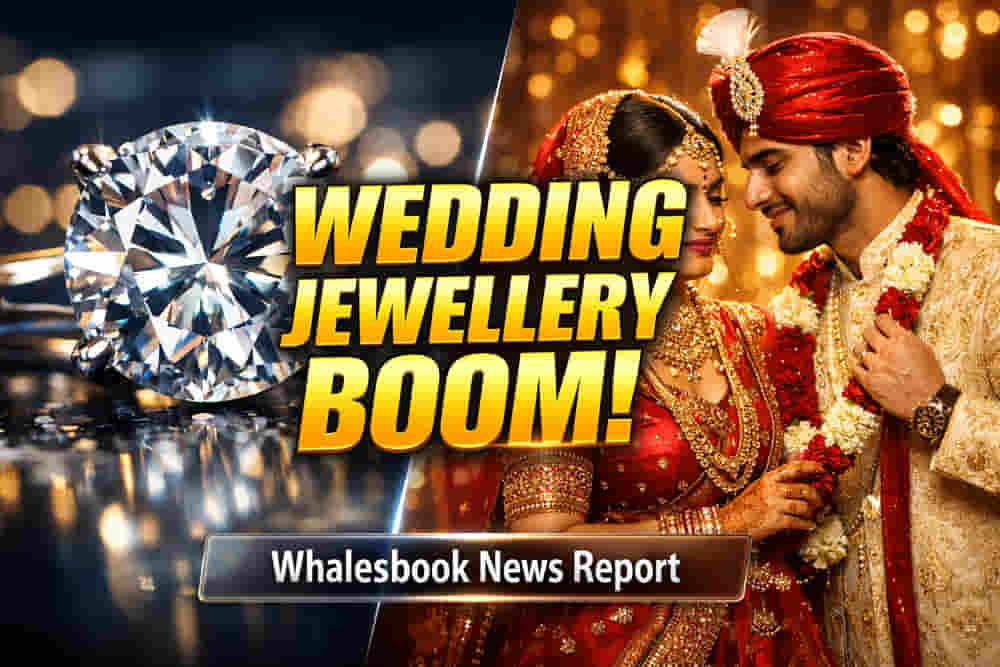
Wedding Season Ignites Jewellery Demand in India
India's bustling wedding season is currently a major catalyst for the country's jewellery sector, with demand remaining robust. Experts highlight that higher average transaction values are supporting sales, signaling a significant uptick in consumer spending on precious ornaments. The festive period, characterized by numerous celebrations, is expected to drive substantial revenue for jewellers across the nation.
Financial Implications and Shifting Preferences
Chaitanya V Cotha, Executive Director at C Krishniah Chetty Group of Jewellers, noted that overall wedding-related expenditure across various sectors is projected to reach approximately ₹6.5 lakh crore this season. Jewellery constitutes a considerable portion of this vast sum. Within the jewellery segment, diamond products are experiencing faster growth compared to previous years. This trend reflects a clear evolution in buyer preferences, with a marked increase in demand for higher-grade diamond offerings and premiumisation.
The company has observed enhanced footfalls through its 'Magnificent Weddings' programme, specifically targeting high-value wedding purchases. Bespoke diamond bridal sets, solitaire rings, and coordinated family collections are particularly popular. A recent moderation in the prices of natural diamond solitaires has further influenced consumer behaviour, revitalizing interest in natural diamonds.
Adapting to Market Dynamics
Consumer choices are being shaped by a blend of traditional designs and contemporary aesthetics. While conventional bridal jewellery retains its emotional significance, there's a rising demand for lightweight and modern diamond jewellery that offers versatility beyond wedding functions. C Vinod Hayagriv, Managing Director at the group, emphasized that natural diamonds continue to be a focal point in purchase decisions, supported by their relatively stable resale values.
Simultaneously, gold coins and bars are witnessing steady demand from consumers primarily focused on wealth preservation. However, fluctuations in gold and silver prices are playing a crucial role in influencing the timing of purchases and the specific products consumers opt for. Elevated gold prices, in particular, have prompted many families to advance their jewellery purchases or adopt a mixed allocation strategy that includes a higher diamond component.
While sharp price movements can temporarily affect market sentiment, the essential nature of weddings ensures that buyers adjust their spending patterns rather than deferring purchases altogether. Diamond jewellery is gradually capturing a larger share of wedding budgets, even as gold purchases become more price-sensitive and staggered.
Retail Innovation and Future Outlook
Both natural and lab-grown diamonds are being chosen for significant milestone purchases, especially by affluent and aspirational consumers who prioritize design, transparency, and brand trust. On the retail front, C Krishniah Chetty Group is employing an omnichannel strategy. This includes personalized bridal consultations, bespoke design services, private viewing lounges, and digital initiatives like virtual appointments and remote buying support for non-resident customers.
The company is also expanding its engagement through bundled wedding programmes, such as the 'Magnificent Weddings' offering for purchases above ₹15 lakh, aiming to build deeper customer relationships throughout the wedding lifecycle. Industry estimates from the Confederation of All India Traders (CAIT) corroborate the substantial wedding spending, with jewellery expected to account for approximately ₹97,500 crore of the ₹6.5 lakh crore total. Although CAIT doesn't break down gold versus diamond jewellery, industry insiders confirm a growing preference for diamonds within wedding budgets.
The outlook for the jewellery sector remains stable, underpinned by sustained wedding demand, premiumisation trends, and evolving consumer preferences, despite ongoing volatility in precious metal prices.
Impact
This sustained demand for jewellery, particularly the shift towards premium diamond products, positively impacts jewellery retailers, diamond suppliers, and manufacturers. It signals robust discretionary spending in India's consumer market, benefiting companies focused on luxury goods and high-value segments. The trend also highlights evolving consumer tastes and the effectiveness of omnichannel retail strategies. Investors may find opportunities in companies that cater to these growing trends.
Impact Rating: 7/10
Difficult Terms Explained
- Premiumisation: The trend of consumers choosing higher-priced, higher-quality, or more luxurious versions of a product or service.
- Solitaires: A single, large, precisely cut gemstone, most commonly a diamond, valued for its clarity and brilliance.
- Omnichannel approach: A retail strategy that integrates various channels (online, physical stores, mobile apps, social media) to create a seamless and consistent customer experience.
- Lab-grown diamonds: Diamonds produced in a laboratory through controlled processes, possessing the same physical and chemical properties as natural diamonds.
- Bespoke: Custom-made or designed according to the specific requirements of an individual customer.
- Resale values: The amount of money an item can be sold for in the second-hand market.