 Whalesbook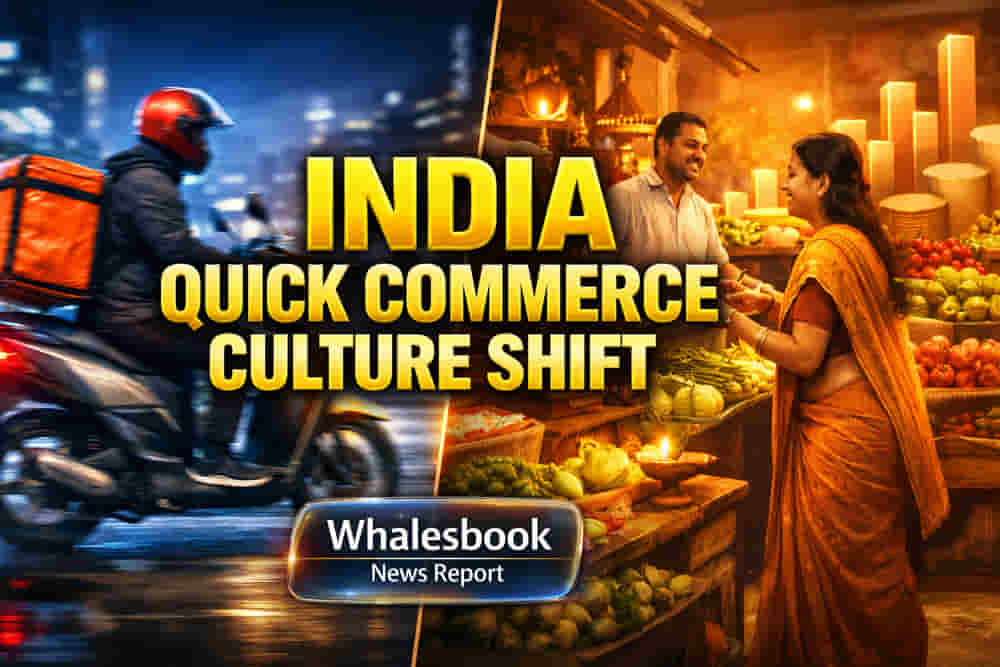
The Pivot to Brand
India's quick commerce sector is witnessing a significant strategic redirection. Companies long known for rapid deliveries and aggressive discounts are now experimenting with brand-led storytelling and cultural engagement. This evolution aims to carve out distinct identities in an increasingly crowded and costly market.
Why the Shift?
Platforms such as Zepto, Blinkit, and Swiggy Instamart are moving away from purely performance-driven messaging. The rationale is clear: customer acquisition costs are soaring, and operational advantages like delivery speed are quickly becoming standard rather than differentiators. "Performance marketing captures demand that already exists," notes Achyuta Nand Chand, co-founder of Mashrise. "Cultural and brand-led work builds future demand."
Building Cultural Loyalty
Experts suggest that by engaging consumers through creator collaborations, user-generated content, and memorable offline activations, brands can build "cultural switching costs." This makes customers more loyal and less susceptible to minor price fluctuations or competitor offers. Zepto's campaigns like 'Mithai Wars' and Blinkit's data-driven humorous billboards exemplify this strategy.
Skepticism Remains
However, some industry observers caution that emotional connection alone might not be enough in a fundamentally transactional category. Prathap Suthan of Bang In The Middle points out that while cultural work builds memory and warmth, consumer behavior in quick commerce remains highly price-sensitive. Sustained financial advantages from competitors can quickly erode brand affection, and maintaining cultural relevance at scale requires continuous, significant investment.