 Whalesbook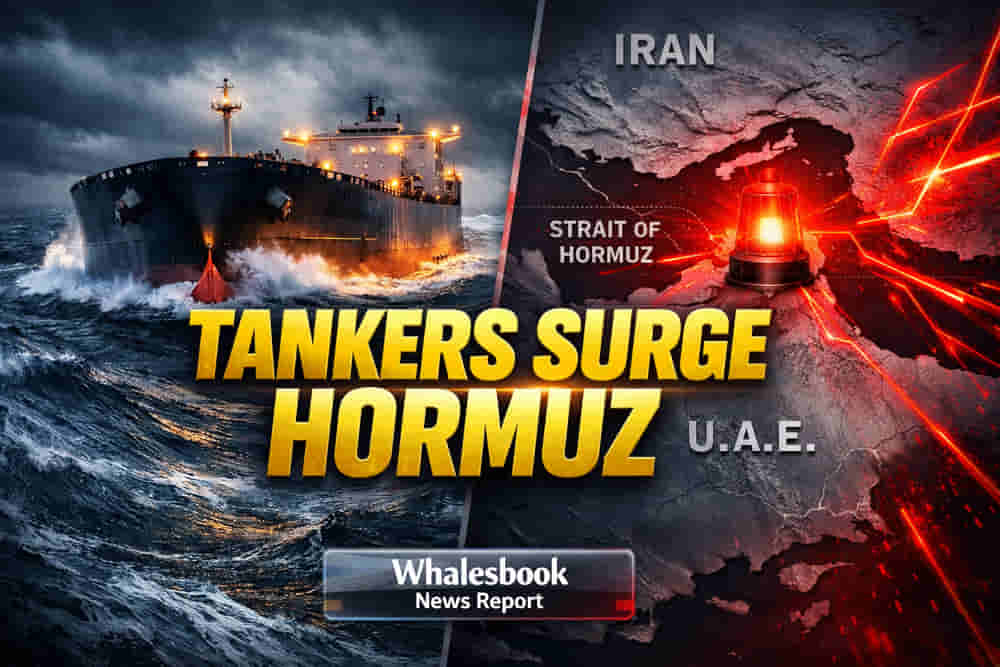
THE SEAMLESS LINK (Flow Rule):
The heightened urgency among some supertanker operators to expedite passage through the Strait of Hormuz, a critical global oil chokepoint, reflects a confluence of geopolitical anxieties and underlying market dynamics. This strategic acceleration, with vessels now capable of exceeding 17 knots compared to their typical 13-knot pace, is directly responding to elevated US-Iran tensions and Iran's recent assertions of forthcoming military exercises in the region.
Increased Transit Speeds Signal Deeper Market Strain
The decision by some Very Large Crude Carriers (VLCCs) to push speeds beyond normal operational limits—clocking nearly 17 knots against a standard 13 knots—demonstrates a palpable shift in risk management strategies. [cite: search result 9] This acceleration is a direct response to escalating geopolitical friction and an uncertain threat of military drills near the Strait of Hormuz. [cite: search result 10] While intended to shorten exposure time in a volatile corridor, these faster transits paradoxically increase navigational risks in already congested waters, marked by increased naval presence and the presence of older, less predictable vessels. The immediate market effect is amplified volatility in freight rates, which have seen substantial increases, driven less by actual conflict and more by the perceived risk and a fundamentally tight supply of available tankers. [cite: search result 1, 2]
Freight Volatility Fueled by Supply Crunch and Geopolitical Premiums
The surge in freight rates, with daily earnings for VLCCs on key routes climbing by approximately 20% in recent weeks to around $60,000 per day, is intrinsically linked to a constricted vessel supply. [cite: search result 1] This tight market, exacerbated by operators strategically delaying vessel movements by anchoring off ports like Fujairah, UAE, to await precise cargo and berthing schedules, effectively reduces the pool of immediately available tonnage. [cite: search result 3] Furthermore, intelligence reports indicate a roughly 15% increase in geopolitical risk premiums for operating within the Persian Gulf, contributing to the elevated costs. [cite: search result 2] Major operators like DHT Management and Sinokor Merchant Marine, responsible for vessels observed increasing speed, maintain operational flexibility but typically refrain from commenting on specific voyage details. [cite: search result 4, 5] The Strait of Hormuz remains indispensable, facilitating the transit of an estimated 16-18 million barrels of crude and refined products daily, making any disruption a significant global concern. [cite: search result 6]
Historical Precedents and Analyst Outlook on Risk
Periods of heightened geopolitical tension in the Strait of Hormuz have historically precipitated sharp increases in tanker freight rates, with past incidents seeing rates climb by up to 50% within weeks due to rerouting and insurance adjustments. [cite: search result 7] Current market conditions, however, are characterized by the anticipation of risk and underlying supply constraints rather than direct conflict. While dedicated war-risk insurance levies have yet to see significant upward adjustments, the strategic waiting periods adopted by some owners could be a prelude to such negotiations. [cite: search result 2] The broader analyst consensus for the tanker sector remains cautiously optimistic, emphasizing robust demand and a scarcity of new vessel orders. Geopolitical developments in the Middle East are consistently identified as the primary upside risk to earnings forecasts. [cite: search result 8] The market will continue to monitor Iran's actions, the US response, and the outcome of diplomatic efforts in Oman, as these factors will dictate the duration and intensity of the current freight rate spike and risk premium.