 Whalesbook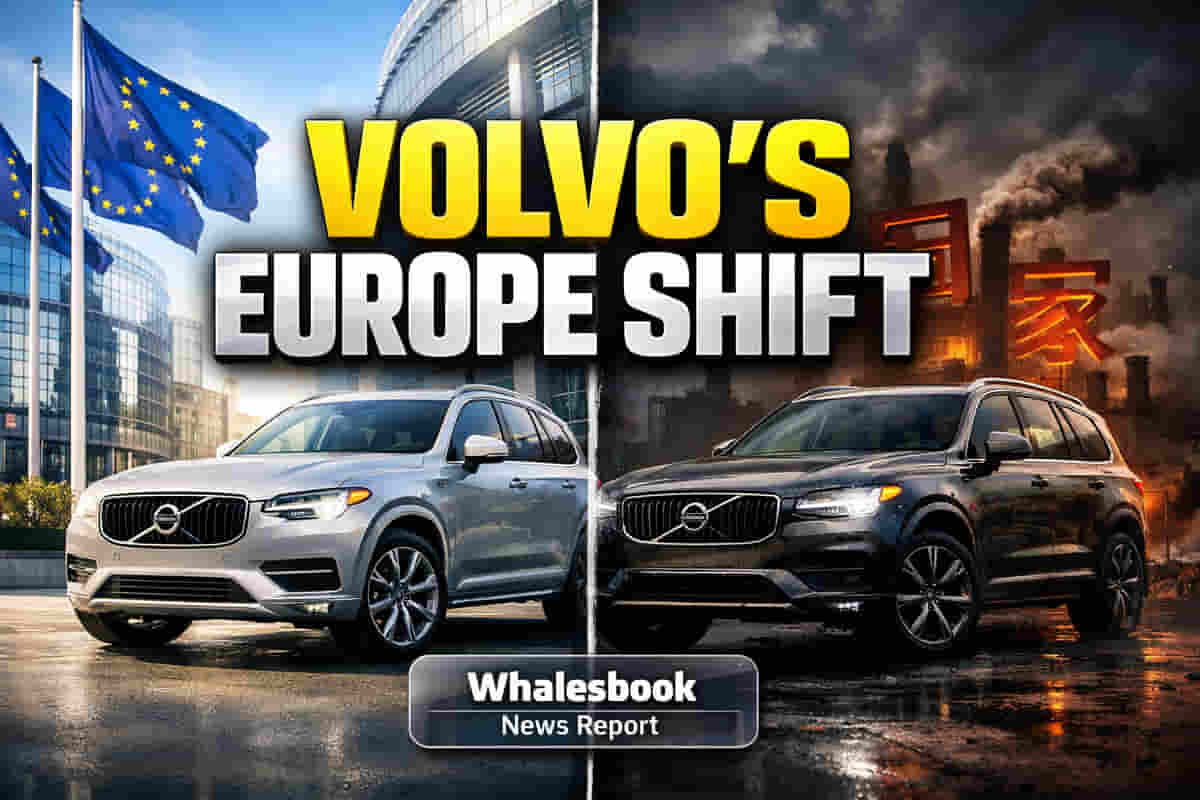
### The FTA's Pricing Calculus
The recent India-European Union (EU) Free Trade Agreement (FTA) is poised to significantly alter the pricing dynamics for premium vehicles imported into India. Tariffs on EU-made cars are set to undergo a phased reduction, potentially dropping from current levels as high as 110% down to 10% over time, particularly for vehicles priced above EUR 15,000 and within specific quota limits. This tariff clarity is expected to grant European manufacturers, including Volvo's competitors like Mercedes-Benz, BMW, and Audi, greater scope to price their imported models more competitively and introduce a wider array of vehicles. For Completely Knocked Down (CKD) kits, duties are also slated for reduction, potentially reaching 10% on a quota basis. While electric vehicles (EVs) are shielded from initial tariff concessions for the first five years, safeguarding India's nascent EV sector, the overall impact is concentrated on the premium internal combustion engine (ICE) segment, with limited disruption anticipated for the mass market. This strategic shift by Volvo aligns with a broader trend among global automakers seeking to mitigate risks associated with China-centric supply chains.
### Navigating the Premium Battlefield
Volvo Car India operates within a fiercely competitive luxury car market, vying against established German giants like Mercedes-Benz, BMW, and Audi, as well as Jaguar Land Rover. These players have historically relied heavily on CKD assembly operations in India to manage import duties and price sensitivity. Mercedes-Benz, an early entrant in 1994, maintains leadership through its Pune assembly plant, offering a diverse range of sedans and SUVs. BMW, entering in 2006, focuses on driver engagement from its Chennai facility, actively expanding its EV lineup. Audi, part of the Volkswagen Group, is implementing revitalization strategies and exploring new models, including EVs assembled in Brussels. Jaguar Land Rover has seen cost reductions through local assembly of models like the Range Rover Velar. The luxury segment in India is experiencing robust growth, driven by increasing disposable incomes, a burgeoning affluent middle class, and a rise in High-Net-Worth Individuals (HNIs). Consumer preferences are increasingly leaning towards SUVs due to their features and ground clearance, alongside a growing demand for advanced technology, connectivity, and personalized ownership experiences.
### De-risking the Supply Chain
The primary impetus behind Volvo's potential sourcing recalibration is to mitigate the inherent risks tied to a concentrated supply chain, particularly its historical reliance on China. By leveraging its manufacturing facilities in Europe, such as those in Sweden and Belgium, Volvo aims to create a more resilient and geographically diversified sourcing strategy. This pivot is expected to align better with the operational frameworks established by the India-EU FTA, potentially optimizing logistics and inventory management. Furthermore, this strategic move is intended to facilitate the introduction of a broader spectrum of petrol and hybrid models to the Indian market, enhancing Volvo's product portfolio at potentially more attractive price points, while its Indian facility continues to assemble electric vehicles locally.
### The Near-Term Price Quandary
Despite the anticipated benefits from the India-EU FTA, Volvo Car India is exercising caution regarding immediate price reductions for its vehicles. The company acknowledges that persistent inflationary pressures, currency fluctuations, and foreign exchange challenges will continue to influence pricing decisions. In fact, it is possible that prices may see a modest increase in the short term due to these currency-related headwinds. This contrasts with the potential for more competitive pricing that European competitors might achieve by leveraging the reduced import duties. The FTA's impact on prices is likely to be most pronounced for higher-end vehicles, with tariffs on EVs remaining unchanged for the initial five years, thus providing a buffer for domestic manufacturers.
### The Bear Case: Execution and Geopolitical Gaps
While the strategic shift offers long-term potential, several risks warrant consideration. The company's ownership by China's Zhejiang Geely Holding Group introduces a layer of complexity; while Geely permits significant operational independence, its Chinese base could present broader geopolitical considerations for sourcing diversification away from China. The execution of establishing new, robust supply chains from Europe to India involves considerable logistical and financial investment, with potential for unforeseen disruptions. Moreover, established competitors like Mercedes-Benz, BMW, and Audi will also benefit from the FTA, potentially intensifying competition rather than simply creating new market openings for Volvo. While the FTA offers 'optionality,' its immediate benefits for low-volume luxury players like Volvo might be less dramatic than for larger volume manufacturers. The broader geopolitical landscape, beyond the specifics of the India-EU FTA, could introduce further volatility to global supply chains.
### Future Outlook and Market Projections
The Indian luxury car market is projected for sustained growth, fueled by rising affluence, urbanization, and evolving consumer preferences for advanced technology and premium experiences. The FTA is expected to facilitate deeper integration into global supply chains for Indian auto component manufacturers, potentially enhancing export capabilities. For Volvo, the strategic recalibration towards European sourcing, if fully implemented, could fortify its position by diversifying risk and potentially expanding its product range in the competitive premium segment. Industry analysts suggest that while the FTA offers optionality and strategic planning advantages, immediate gains might be incremental for niche players. The long-term success will depend on Volvo's ability to effectively integrate European supply chains, manage near-term price pressures, and differentiate itself within a market increasingly focused on EVs and advanced technologies.