 Whalesbook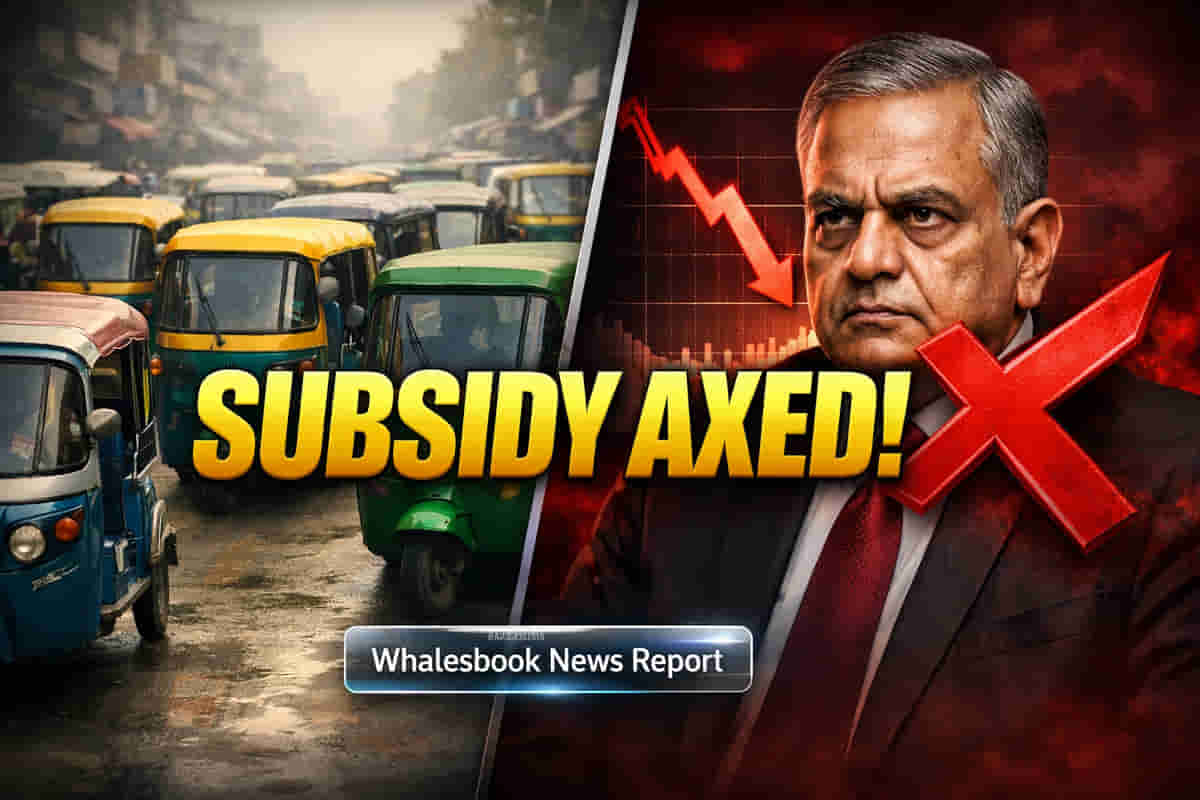
Government Ends Subsidies for Electric Three-Wheelers
The Indian government has decided to stop providing subsidies for electric three-wheelers as part of the 'PM e-Drive' scheme. This move comes after the electric penetration in this segment successfully reached an estimated 32%, meeting the government's initial target. Officials indicated that direct national-level support is no longer deemed necessary for three-wheelers.
Continued Support for Two-Wheelers
The scenario is different for electric two-wheelers, where adoption rates remain considerably lower. Currently, only about 7.5% of two-wheelers are electric. Consequently, central government support through the PM e-Drive scheme is expected to continue into the next financial year. The initial target for electric two-wheelers was set at 25 lakh units, with sales reaching 18.3 lakh units so far. Projections suggest sales may reach approximately 23 lakh by the end of the current fiscal year, indicating a potential shortfall that necessitates continued support.
State Governments to Lead Adoption
As the central government reassesses its role in EV promotion, there is an increasing reliance on state governments to spearhead adoption efforts. Many states are reportedly considering their own incentive programs, particularly for EV categories where penetration is still limited. Delhi, for instance, is planning a new incentive package next month to combat air pollution.
Challenges in Other Segments
Electric buses and trucks have yet to see significant uptake under the PM e-Drive scheme, primarily because these vehicles are still undergoing trials. Despite this, the government has allocated support for 14,000 electric buses and 5,643 electric trucks within the scheme's framework. The adoption lag in these heavy-duty segments underscores the longer development cycles and infrastructure requirements they entail.
Industry Outlook and Infrastructure Needs
Auto industry executives emphasize that future growth across all electric vehicle categories hinges critically on the rapid expansion of charging infrastructure. They believe dedicated service providers must actively invest in and develop this network to sustain and accelerate EV adoption beyond the initial early adopters.
Impact
This policy shift could lead to increased upfront costs for electric three-wheelers, potentially slowing their adoption rate in the short term. Manufacturers may need to adjust pricing or focus on cost efficiencies. For electric two-wheelers, continued subsidies offer a more stable environment. The reliance on state governments could create a fragmented incentive landscape across the country. The emphasis on charging infrastructure highlights a key area for future investment and development, impacting the broader EV ecosystem. Overall market impact is moderate, primarily affecting the automotive sector and component suppliers involved in EV manufacturing.
Impact rating: 6/10
Difficult Terms Explained
- PM e-Drive scheme: A government initiative aimed at promoting electric mobility in India through various incentives and support mechanisms.
- Electric penetration: The percentage of electric vehicles within a specific vehicle segment (e.g., three-wheelers) compared to the total number of vehicles in that segment.
- Fiscal year: A period of 12 months used for accounting and budgeting purposes, typically starting on April 1st and ending on March 31st in India.