 Whalesbook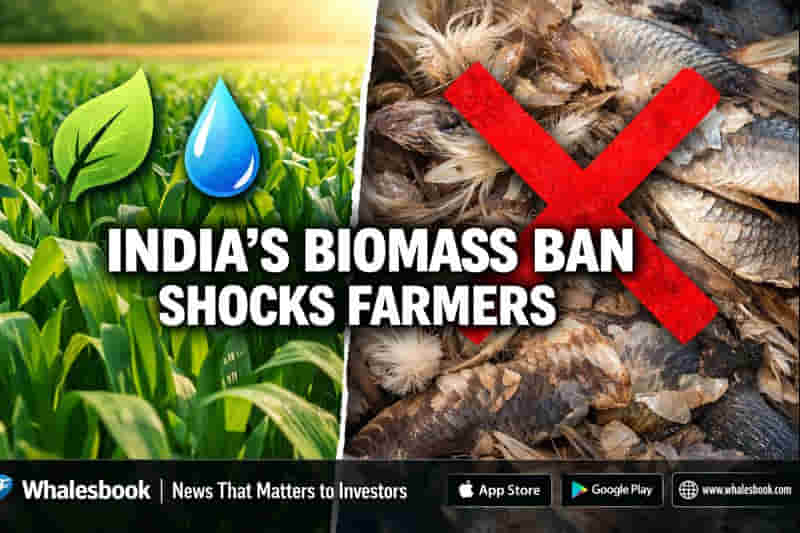
India Halts Animal-Based Biostimulants Amid Cultural Sensitivity Concerns
The Union agriculture ministry has made a significant policy decision, quietly withdrawing approval for eleven types of animal-derived biostimulants. This move, citing 'religious and dietary restrictions,' has stirred debate about balancing cultural beliefs with scientific progress and economic efficiency in the agricultural sector.
The Core Issue
These biostimulants were derived from protein hydrolysates sourced from animal by-products, including chicken feathers, bovine hides, pig tissue, and cod scales. Previously cleared by the Indian Council of Agricultural Research, they were intended for use in crucial crops like paddy, tomato, chilli, and cotton. The ministry's decision prioritizes cultural sensitivities over the established scientific validation and economic utility of these products.
Financial Implications
Biostimulants, distinct from conventional fertilisers, are crucial components of low-input, sustainable agriculture. India's biostimulants market was projected to grow significantly, reaching an estimated $210.4 million in 2025 and $343 million by 2030. The withdrawal of animal-derived options means a substantial loss for India's circular resource systems.
Circular Economy Impact
These protein hydrolysates effectively transformed waste materials from India's extensive poultry, meat, and fishery industries into valuable agricultural inputs. By banning these products, by-products that were once valorised for plant nutrition may now end up in landfills or be incinerated, representing not just economic waste but a direct reversal of India's commitment to a circular economy. This is a significant setback for waste-to-wealth initiatives.
Market Reorganization and Farmer Concerns
While plant-based and microbial alternatives exist, they are often more costly to produce and less efficient than their animal-derived counterparts. Seaweed extracts, for instance, dominate the market but cannot match the efficacy of animal hydrolysates. This policy shift will likely force firms to rely on more expensive plant-based inputs or imports, driving up both input and retail prices. India's price-sensitive farmers may consequently revert to traditional fertilisers, undermining efforts to promote sustainable, low-chemical farming.
Weakened Sectoral Synergies
The decision also impacts the synergy between agriculture and livestock sectors. India's poultry and fisheries industries lose a vital outlet for waste valorisation, affecting both processors and farmers. The former lose an efficient input source, while the latter lose a lifeline for managing waste products effectively.
Future Outlook and Policy Dilemma
Public policy traditionally seeks to balance morality with efficiency; in this instance, efficiency appears to have been sacrificed. Recycling protein waste for plant nutrition is an ecological intelligence that could have positioned India as a global leader in sustainable agri-innovation. Instead, a scientifically validated, low-waste system has been discarded. A balanced path may still be feasible, such as considering dual regulatory pathways for export or culturally uncontentious crops. Implementing mandatory source labelling and traceability norms would also empower farmers to make informed decisions aligned with their ethical beliefs. As India strives for global leadership in agricultural sustainability, policy rigidity should not stifle its rapidly growing agri-tech sector.
Impact Rating: 7/10
Difficult Terms Explained
- Biostimulants: Substances or microorganisms applied to plants, seeds, or growing media with the aim of stimulating natural processes to enhance nutrient uptake, nutrient efficiency, tolerance to abiotic stress, and crop quality.
- Protein hydrolysates: Proteins that have been broken down into smaller peptides and amino acids through hydrolysis, often used as biostimulants.
- Circular economy: An economic model that aims to eliminate waste and the continual use of resources.
- Waste valorisation: The process of converting waste materials into more valuable products.
- CAGR: Compound Annual Growth Rate, a measure of the average annual growth rate of an investment over a specified period.
- Input prices: The cost of raw materials and resources used in the production process.
- Retail prices: The price at which a product is sold to the end consumer.
- Sustainable farming: Agricultural practices that aim to maintain ecological balance and conserve natural resources for future generations.
- Agri-tech: Agricultural technology, involving the application of technology to agriculture.