 Whalesbook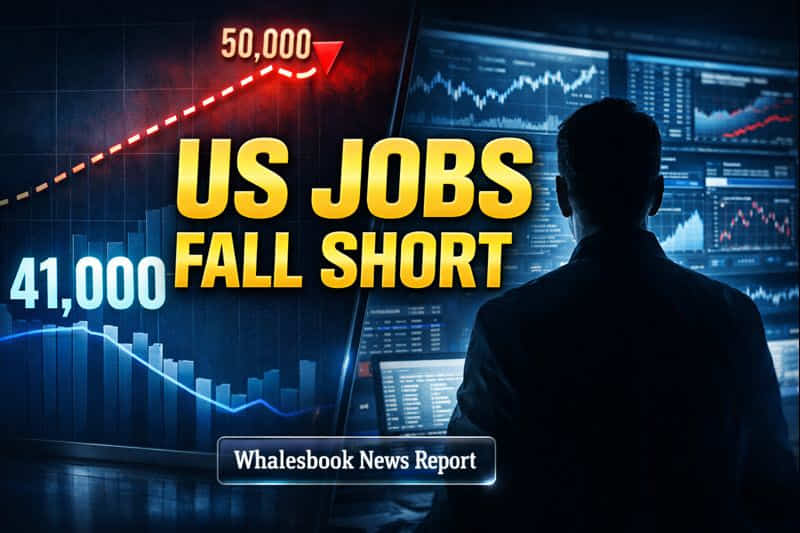
US Companies Add Fewer Jobs Than Expected in December
Private sector employment in the United States increased by 41,000 jobs last month, a pace slower than economists anticipated. This figure follows a decline in the prior month, indicating continued sluggishness in the labor market as the economy enters 2026. The median forecast from a Bloomberg survey of economists had projected a gain of 50,000 jobs.
The report paints a picture of a cooling labor market, though not one that is rapidly deteriorating. Hiring has remained subdued, and unemployment has edged up. These trends are influencing both economic forecasts for the new year and public sentiment regarding job prospects.
Sectoral Performance and Small Business Hiring
Education and health services, alongside leisure and hospitality, led the job gains. Conversely, professional services and manufacturing sectors experienced payroll reductions. A notable trend was the resumption of hiring by smaller businesses, which had previously been shedding workers.
"Small establishments recovered from November job losses with positive end-of-year hiring, even as large employers pulled back," stated Nela Richardson, chief economist at ADP. This suggests a mixed picture among different business sizes.
Wage Growth and Federal Reserve Outlook
Wage growth for workers who switched jobs accelerated, posting a 6.6% annual gain. Those who remained with their current employers saw a 4.4% advance. This pickup in wage inflation for job switchers comes after the prior month registered the smallest annual gain since 2021.
The tepid labor market has been a key concern for Federal Reserve officials. The central bank implemented three interest rate cuts by the end of 2025, aiming to balance economic support with persistent inflation. Further rate decisions will depend on incoming data, including the government's official jobs report due this Friday.