 Whalesbook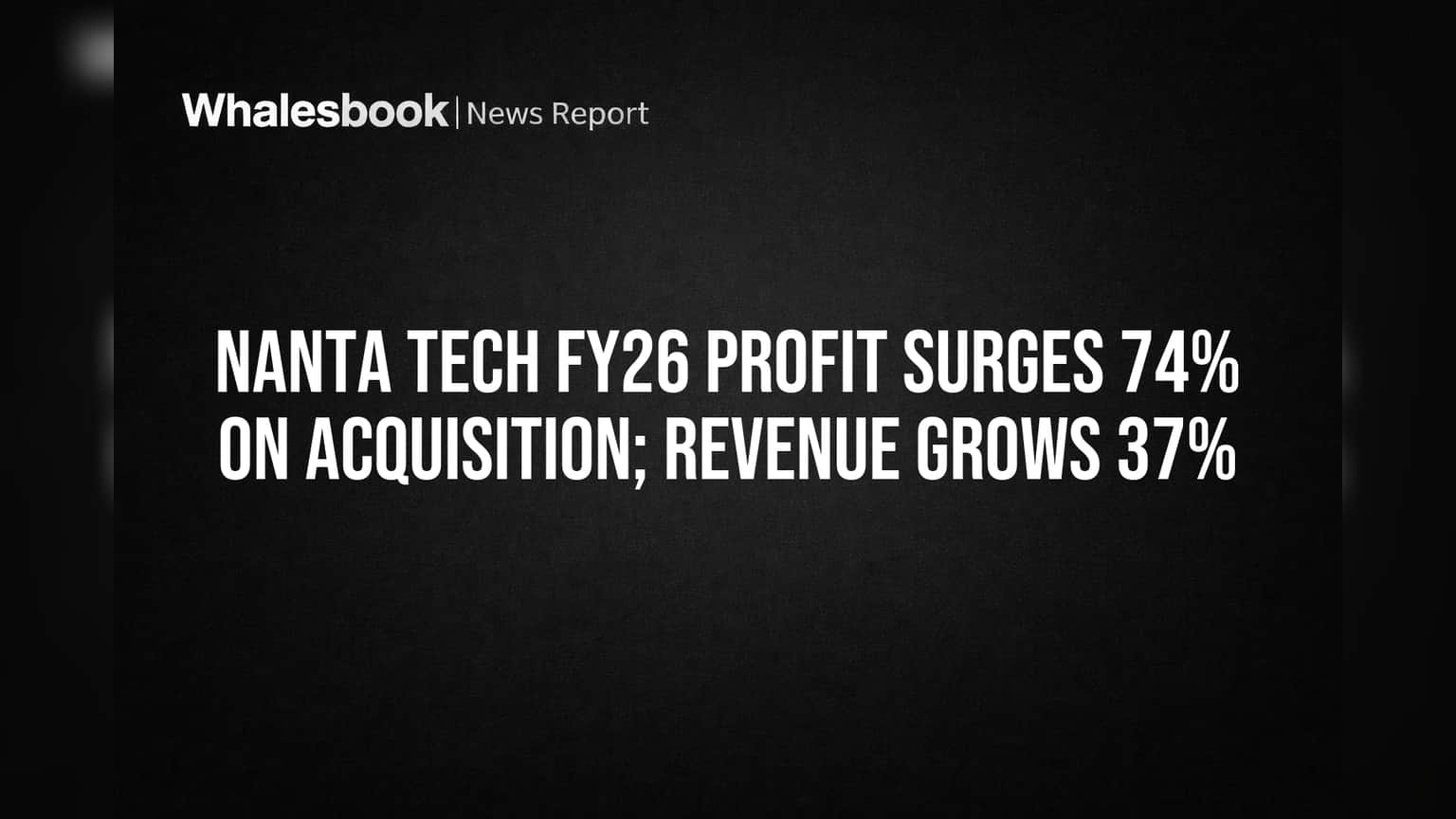


Performance Drivers
Nanta Tech's profit grew faster than revenue, suggesting potential improvements in operational efficiency or margin management. A substantial increase in reserves and surplus indicates that retained earnings are strengthening the company's financial foundation. The acquisition of RSVP Infotech is a key contributor, positively impacting both revenue and profit and signaling expansion and potential market share gains.
Strategic Acquisition Background
Nanta Tech operates in the competitive IT services sector, focusing on software development and digital transformation. To bolster its market position, it acquired RSVP Infotech Solution Private Limited within the last two years. This move is expected to enhance Nanta Tech's service portfolio, possibly in areas like data analytics or cloud services, thereby strengthening its competitive edge.
Impact on Investors
Shareholders may see improved profitability and potential returns driven by the current growth trajectory. The acquisition has expanded the company's business footprint, creating opportunities for cross-selling services and acquiring new clients. However, the company must manage its increased debt levels effectively to avoid straining cash flows, while enhanced reserves offer financial stability for future growth initiatives.
Rising Costs and Debt
A closer look reveals significant increases in borrowings and expenses. Total long-term borrowings rose from ₹0.50 Crores in FY25 to ₹2.49 Crores in FY26, and short-term borrowings increased from a minimal ₹0.01 Crores to ₹1.80 Crores. Alongside this, 'Other Expenses' saw a substantial rise from ₹3.58 Crores in FY25 to ₹21.16 Crores in FY26, a more than five-fold increase. Understanding the nature and sustainability of these elevated costs is crucial.
Industry Context
Nanta Tech competes in the IT services market with companies like KPIT Technologies, Kellton Tech Solutions, and e-Zest Solutions. While peers like KPIT focus on automotive IT and Kellton Tech on digital transformation, Nanta Tech's acquisition strategy demonstrates a proactive effort to broaden its service offerings and market reach, aligning with broader industry trends.
Future Focus Areas
Key aspects to watch include the successful integration of RSVP Infotech and the realization of its anticipated benefits. Investors will also be looking at management's strategy for handling the increased debt and operational costs, as well as future guidance on FY27 revenue growth and profit margins. Any further strategic partnerships or inorganic growth plans will also be significant.