 Whalesbook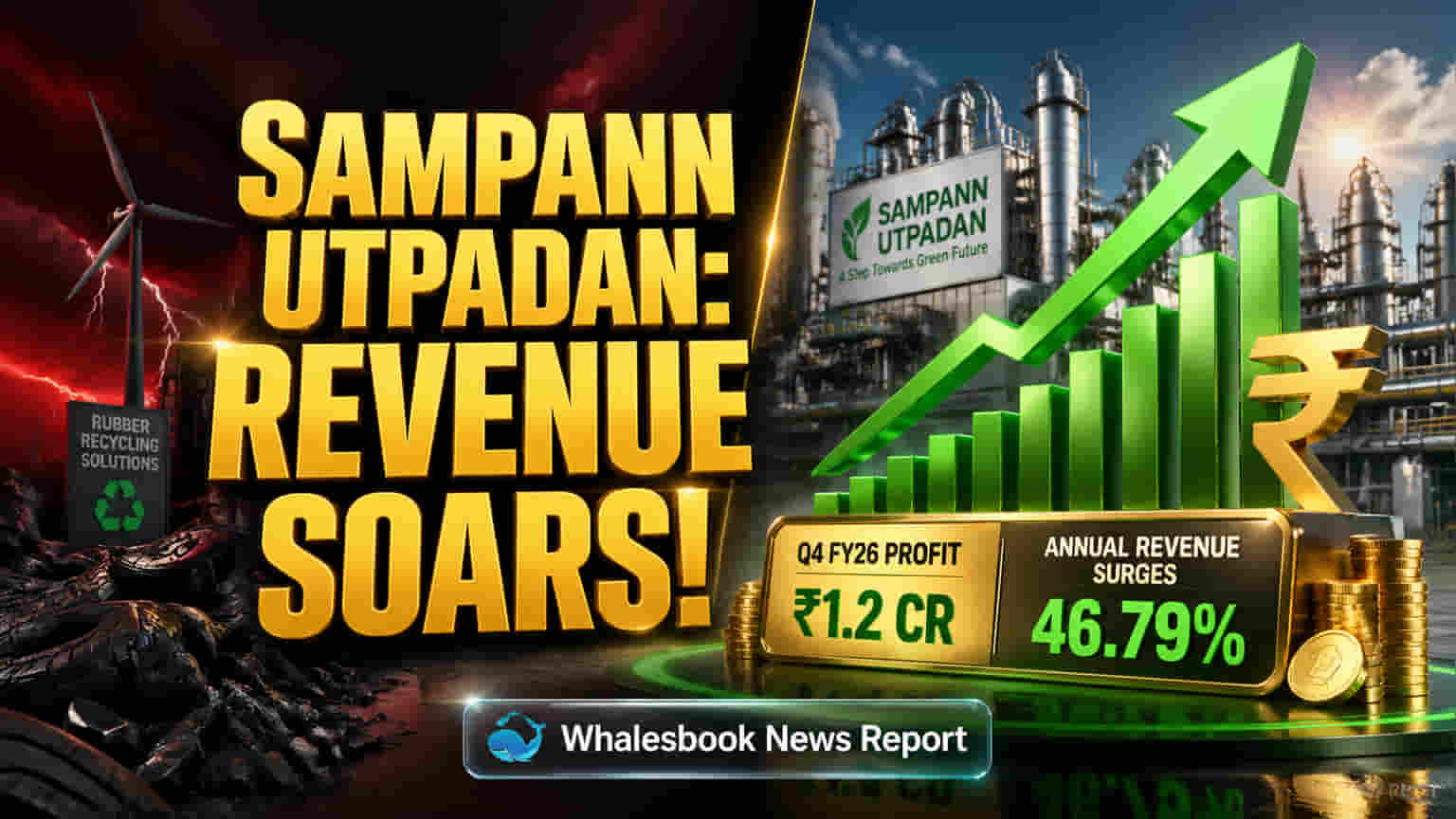


Sampann Utpadan India Reports Strong Annual Growth
Sampann Utpadan India Ltd reported its financial results for the fiscal year ended March 31, 2026. The company posted consolidated revenue of ₹143.60 Cr for the full year, a 46.79% increase from the previous year. Fourth-quarter revenue rose 19.84% year-over-year to ₹39.01 Cr. Full-year net profit was ₹6.78 Cr, while the fourth quarter saw a net profit of ₹1.20 Cr.
What It Means
The significant revenue growth highlights strong business performance across its segments. The reduction in long-term debt also contributes to a healthier financial position.
Company Background
The company, previously named S E Power Ltd, operates in renewable energy and reclaimed rubber manufacturing. A notable development is the government's Extended Producer Responsibility (EPR) regulation, which mandates tyre producers to buy credits from recyclers. This has created a new revenue stream for Sampann Utpadan from end-of-life tyre waste.
Investor Implications
Sustained revenue growth and reduced debt could benefit shareholders. The EPR regulations may also enhance future profitability. The company received a clean audit opinion.
Key Risks
Profit comparisons between fiscal years are complicated by a ₹4.76 Cr gain from selling EPR certificates in FY25, which made that year's profit appear higher. While debt is down, ongoing management of borrowings is key. The company has a history of facing penalties from the NSE, underscoring the need for strict compliance.
Industry Peers
In the renewable energy sector, Sampann Utpadan's peers include K P Energy Ltd. In the rubber sector, companies such as Tinna Rubber and Infrastructure Ltd and Agarwal Industrial Corporation Ltd operate in related markets.
Debt Reduction Details
Long-term borrowings fell from ₹84.31 Cr in FY25 to ₹78.70 Cr in FY26, a decrease of ₹5.61 Cr.
Looking Ahead
Investors will watch for the revenue and profit impact of EPR regulations. Key indicators will include ongoing debt reduction, working capital management, and growth execution in rubber and energy segments. The company's ability to manage input costs and geopolitical risks will also be monitored.