 Whalesbook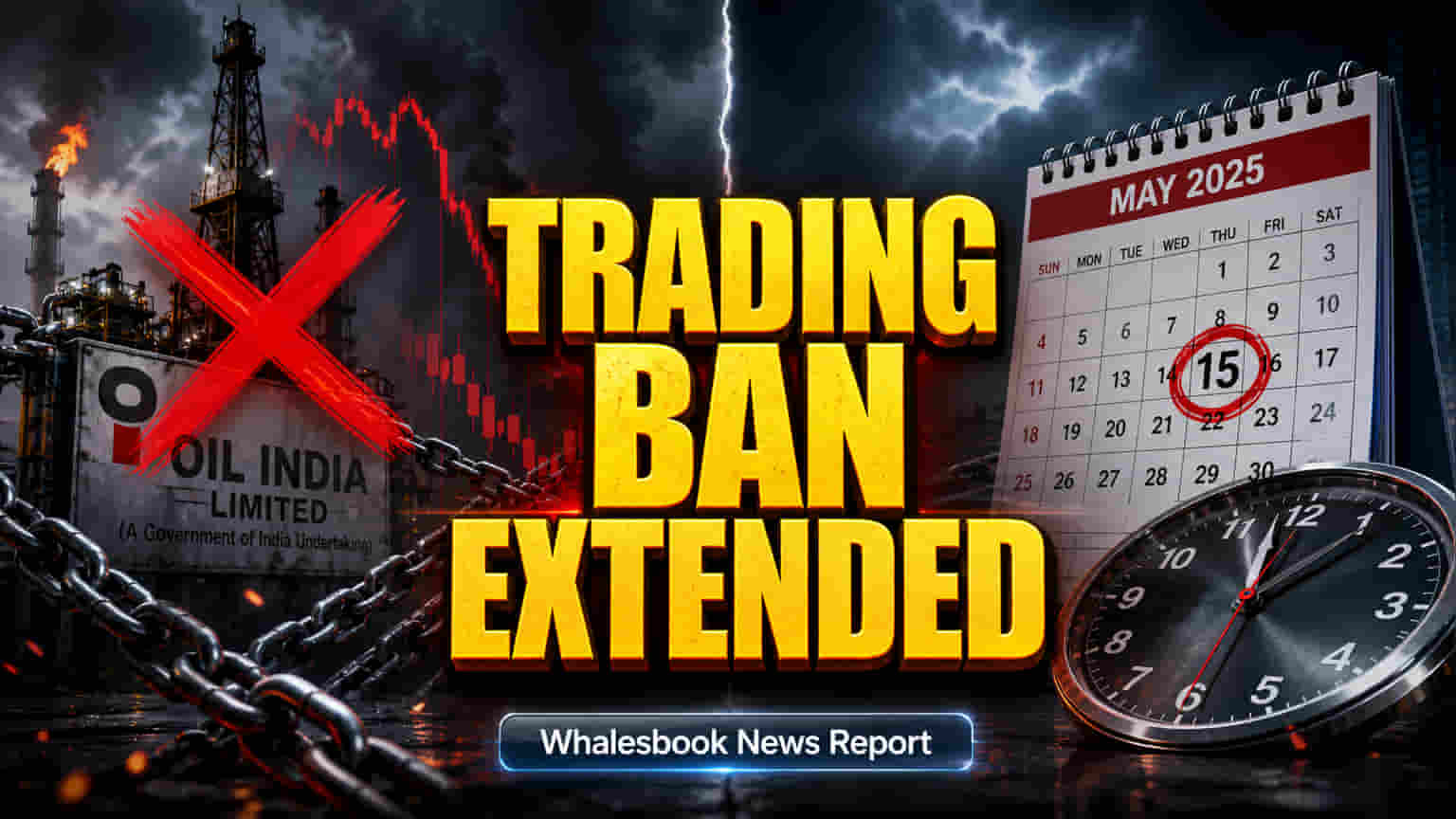


Oil India Extends Trading Window to May 15 Ahead of Q4 Results Approval
Trading Window Extension Details
Oil India Limited has extended its trading window closure until May 15, 2026. The company announced this extension ahead of a Board Meeting scheduled for May 13, 2026. The board meeting's main purpose is to consider and approve the audited financial results for the quarter and the full fiscal year ending March 31, 2026. This closure prevents company insiders, such as designated persons and their immediate relatives, from trading the company's shares during this sensitive period.
Importance of the Closure
Trading window closures are a key compliance step required by SEBI regulations (Prohibition of Insider Trading) 2015. Their purpose is to stop company insiders from misusing unpublished price-sensitive information. Extending the closure shows Oil India's commitment to fair market practices, ensuring all investors get material information at the same time.
Company Background and Governance
Oil India Limited, a Maharatna CPSE, routinely closes its trading window before announcing financial results. This is a standard practice across the industry to maintain market integrity. In recent years, Oil India has faced scrutiny and penalties from stock exchanges like NSE and BSE for failing to meet SEBI's board composition rules, especially concerning the appointment of independent directors. The company has stated that these appointments depend on government directives, making compliance outside its direct control. For the full year FY25, Oil India reported a 10.13% rise in annual net profit to ₹6,114 crore, driven by record production. However, its Q4 FY25 net profit decreased due to lower crude prices.
Impact on Stakeholders
- Company Insiders: Trading in Oil India shares is prohibited until May 15, 2026, to prevent potential insider trading.
- Shareholders: While the general public's trading is not directly restricted, the closure signals that important financial information is forthcoming, which may influence investment decisions.
- The Company: Focus now shifts to the board meeting, where the FY26 financial performance will be officially ratified and shared.
Governance and Regulatory Risks
Recurring penalties for failing to meet board composition rules, despite company explanations, remain a governance concern. Investors will monitor progress on director appointments. While this trading window closure is standard practice, any further breaches of SEBI regulations could lead to stricter actions.
Comparison with Peers
Major Indian oil and gas companies like ONGC, IOCL, and BPCL also close their trading windows before announcing financial results, in line with SEBI regulations. However, Oil India's fines for board composition issues present a specific governance point that other public sector undertakings (PSUs) might also encounter, given the nature of government appointments.
Key Financial Figures
Oil India's net profit for Q4 FY25 was ₹1,591 crore, a decrease from ₹2,028 crore in Q4 FY24. Total income from operations for Q4 FY25 was ₹9,587.82 crore, a 6% decrease from ₹10,165.78 crore in Q4 FY24. The source data did not specify if these figures were consolidated or standalone.
What to Watch For
The official release of Oil India's audited financial results for the quarter and year ended March 31, 2026, following the board meeting. Any dividend recommendations or changes to the financial outlook announced with the results. Progress on appointing Independent Directors to resolve SEBI compliance issues.